

A pope’s magnificent bet on a young Bernini

ROME — A new exhibition in Rome is spotlighting the pivotal moment Pope Urban VIII entrusted a 25-year-old Gian Lorenzo Bernini with one of the most ambitious artistic commissions in Church history: creating the massive bronze canopy over the tomb of St. Peter in St. Peter’s Basilica.
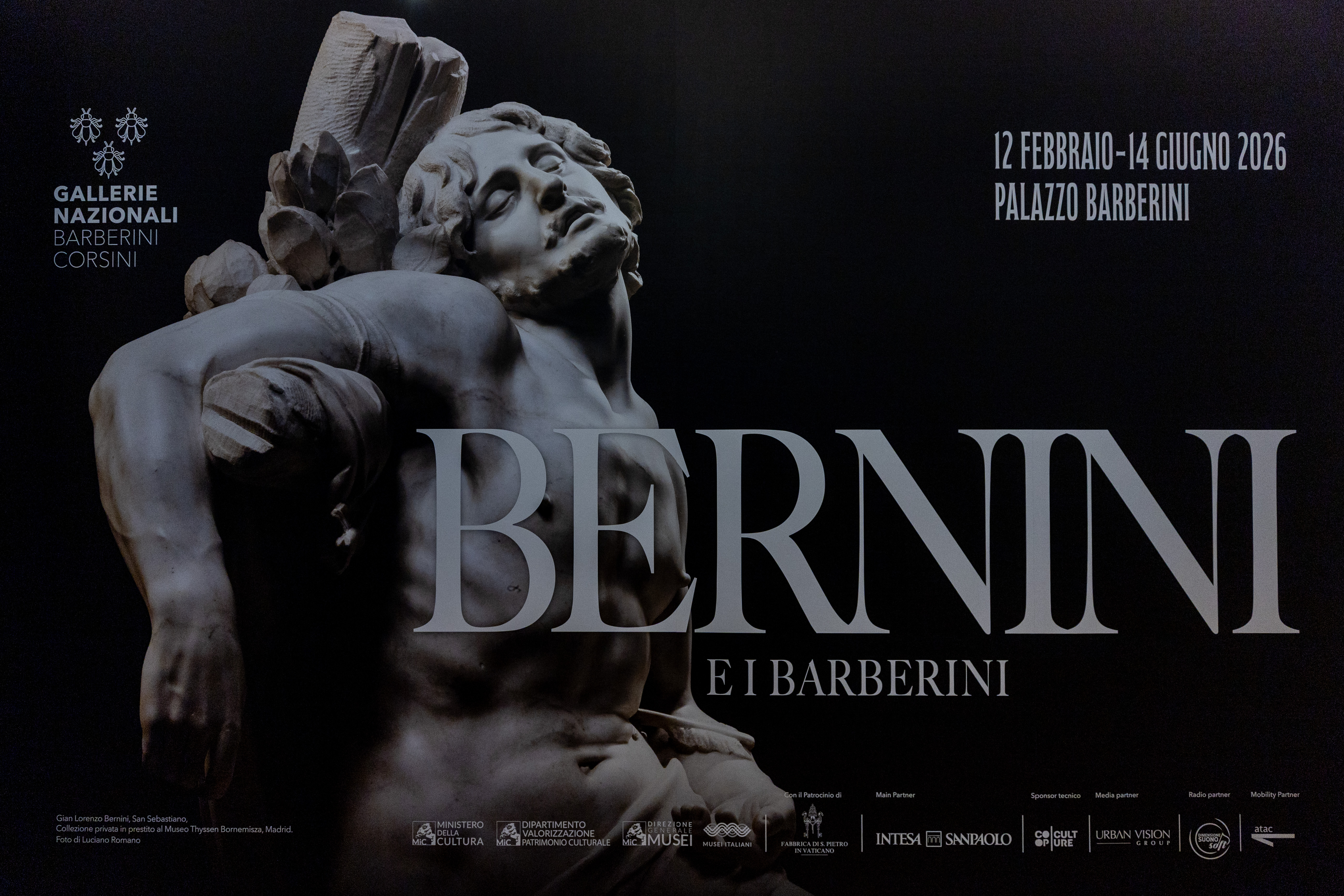
The show — hosted by the Gallerie Nazionali di Arte Antica at Palazzo Barberini and running through June 14 — explores the close relationship between Bernini and the pope born Maffeo Barberini, the artist’s first major patron, according to exhibition curator Maurizia Cicconi. The initiative also forms part of celebrations marking the 400th anniversary of the consecration of the new St. Peter’s Basilica in 1626 and is supported by the Fabric of St. Peter.
Bernini, who would later shape the visual identity of Baroque Rome — including the sweeping colonnade of St. Peter’s Square — was still considered too inexperienced for such a monumental undertaking. Cicconi said Urban VIII pushed ahead anyway, despite resistance from the body of cardinals overseeing the basilica’s building works.
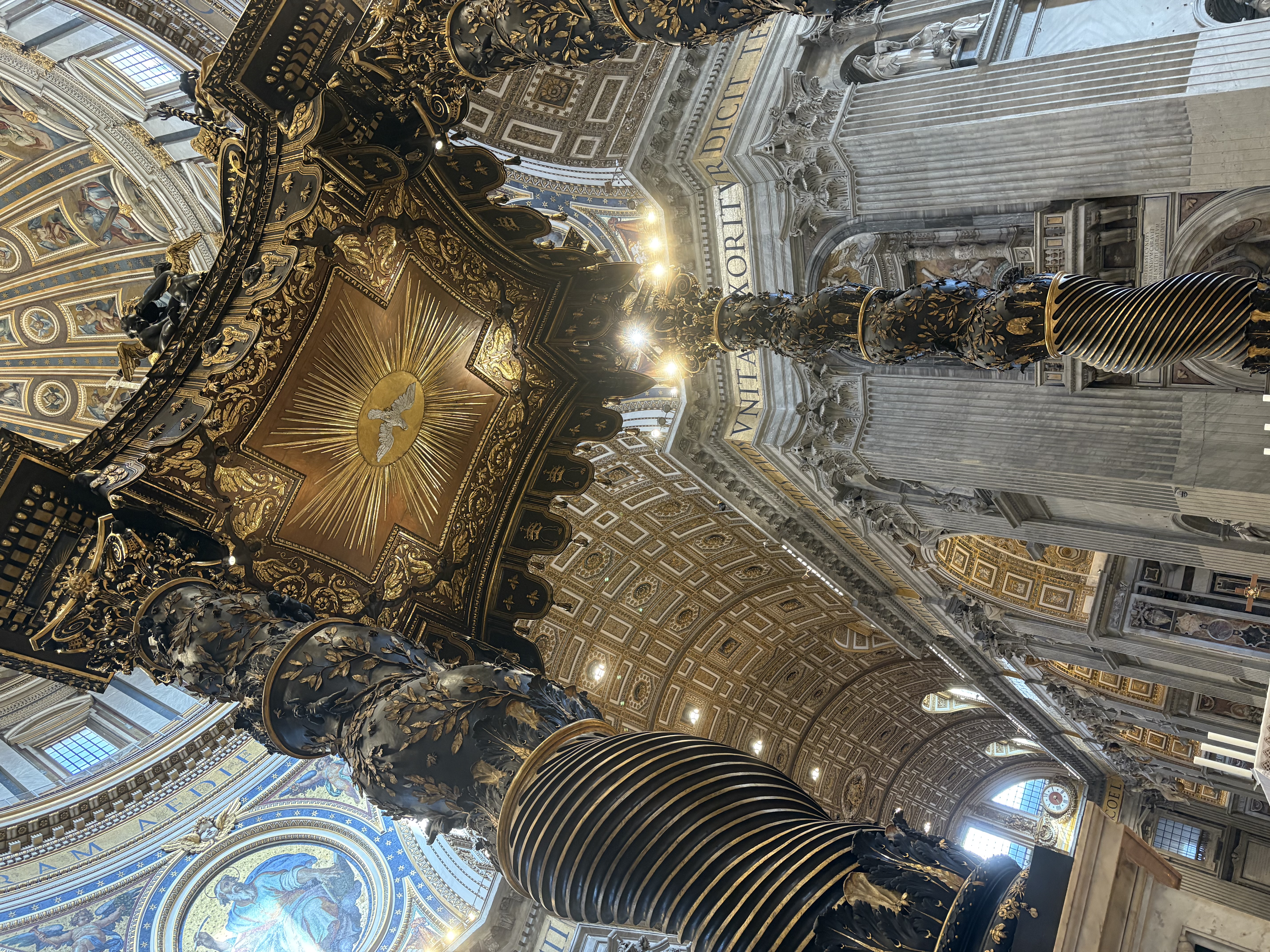
Excavations for the canopy’s foundations began in June 1623, only months after Urban VIII’s election and even before the basilica’s solemn consecration in November. At the time, the apostle’s tomb beneath the altar was covered by a modest structure of wood and fabric. Urban VIII, Cicconi noted, wanted a stable, monumental work that would proclaim the grandeur of the new basilica and emphasize the centrality of the site.
‘Fear of profaning’ St. Peter’s remains
The excavation stirred anxiety among cardinals who worried that disturbing the soil could profane relics connected to the tomb of St. Peter. The solution, the curator explained, reflected the era’s intense religious sensibility: Every portion of earth removed was carefully preserved.
The exhibition includes a stone marker documenting that decision, Cicconi said, underscoring how the excavated soil itself came to be treated “in a certain way” as a relic. Urban VIII even donated some of that soil to monastic orders — including Carmelites — for the founding of convents in Naples and Rome.
A decade-long construction, and a key design problem
Bernini’s canopy — formally known as the Baldachin of St. Peter’s — stands nearly 100 feet (about 92 feet, as the exhibit notes) tall and took a decade to complete, from 1624 to 1633. The exhibition traces the complex process through drawings, coins, printed books, and manuscripts, including studies in red chalk for the crown of the structure.
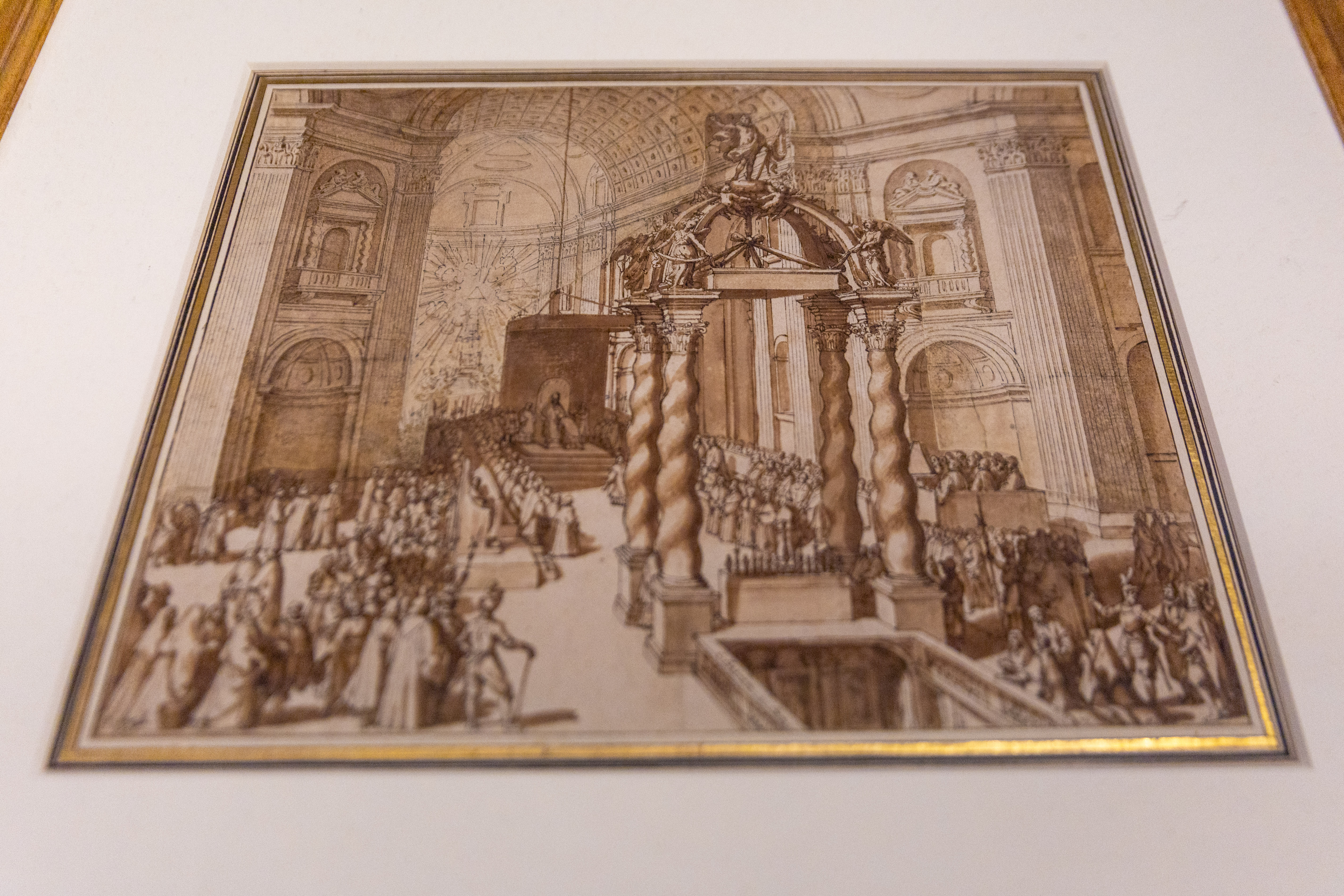
One major technical issue documented in the show: an early concept featuring arches topped by a triumphant Christ proved structurally unworkable. Cicconi said the final solution likely came from Francesco Borromini, whose system of large volutes now supports the globe crowned by a cross.
Among the most evocative artifacts is a medal discovered last year inside the sarcophagus of Urban VIII’s tomb — also a Bernini work — bearing the pope’s portrait on one side and the canopy on the other. Cicconi said evidence suggests it had been worn on a cord around the neck before someone placed it in the tomb in a spontaneous gesture of devotion. While it is tempting to imagine Bernini himself left it there, she cautioned that such a claim goes beyond what the documentation can prove.
More than engineering: Power, politics, and the Barberini image
The exhibit extends beyond the canopy to show how Urban VIII’s artistic program helped define St. Peter’s during a volatile European moment. Cicconi pointed to the backdrop of the Thirty Years’ War, when religion and dynastic power were intertwined and the papacy faced major monarchies such as France and Spain. In that context, she said, the Church sought to assert its spiritual primacy — and its temporal influence — through art.
Visitors will also find materials tied to other Bernini projects in St. Peter’s, including pieces linked to the tomb of Matilda of Canossa, terracotta models for the virtue of charity intended for the pope’s funerary monument, and the valuable sketch connected to St. Longinus, one of the last ideas for the colossal statue that now rises in the basilica’s crossing.
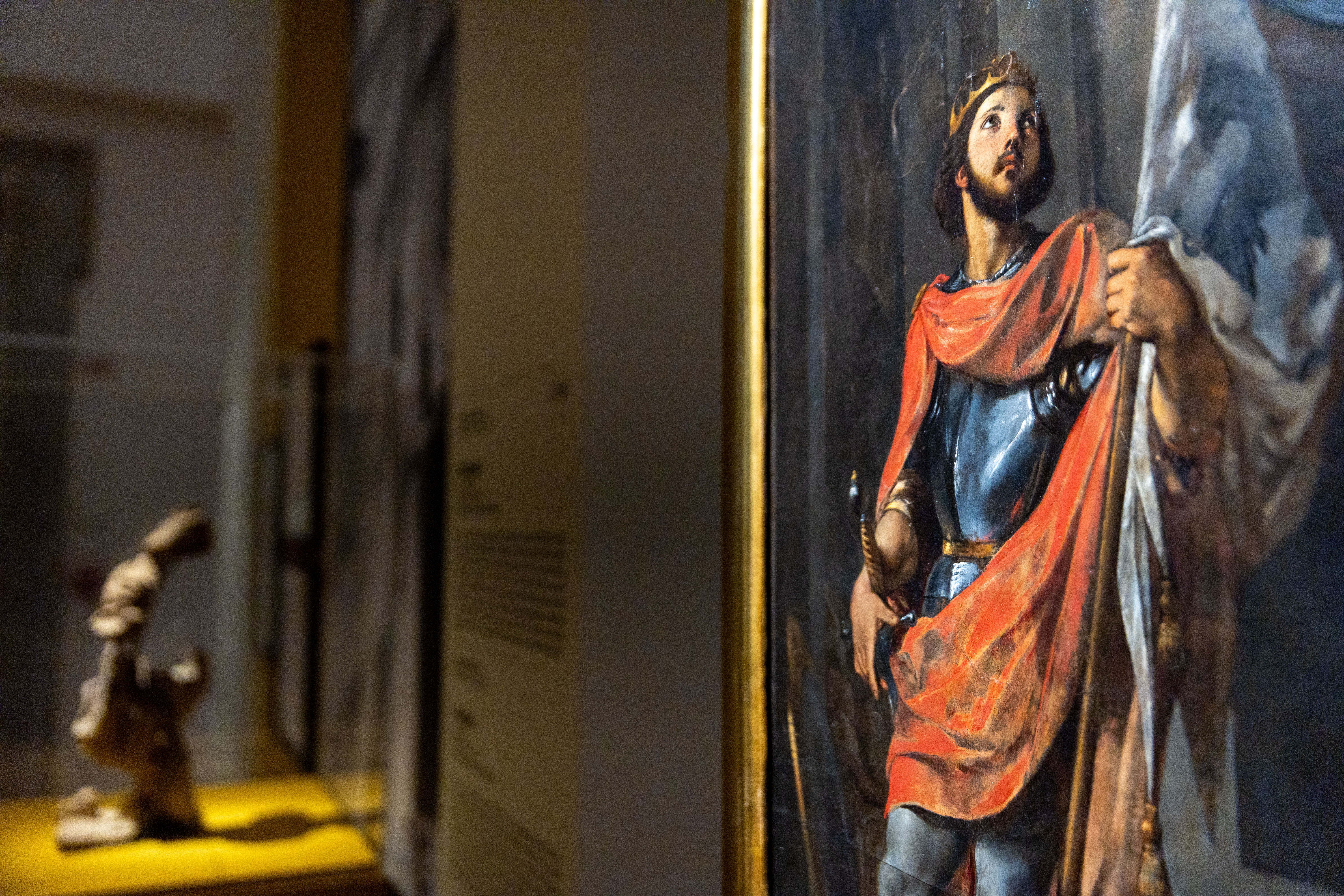
Another section focuses on Bernini’s role in shaping the public identity of the Barberini family, including works associated with the “gallery of ancestors” promoted by Cardinal Francesco Barberini, the pope’s nephew. Among the featured works are some of Bernini’s early pieces, already regarded as true works of art.
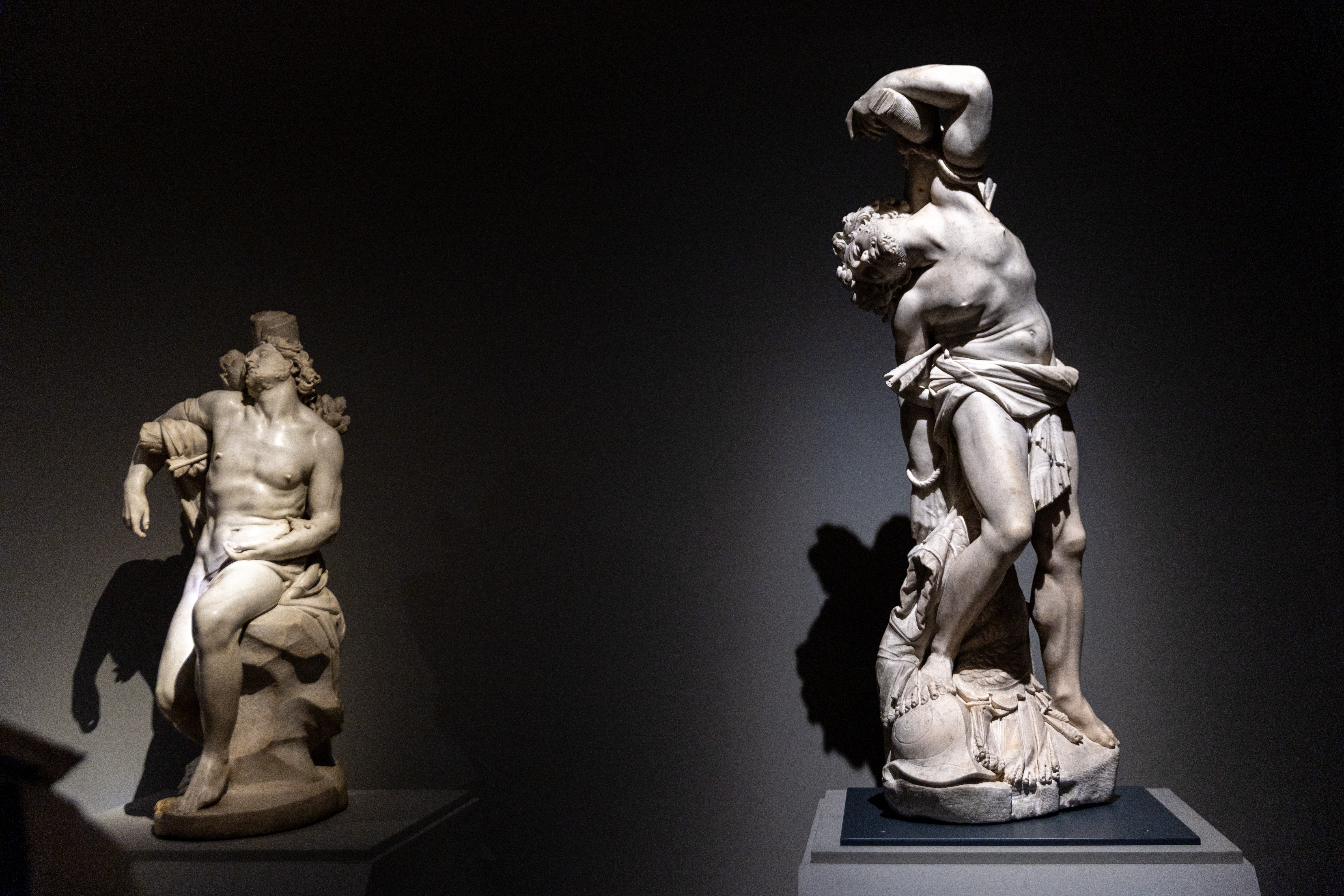
Bernini “truly shaped the official image of the Barberini,” Cicconi said. The show includes extraordinary works such as a bust of Monsignor Francesco Barberini — on loan from Washington and displayed in Italy for the first time in many years — set beside busts of Camilla Barbadori, the pope’s mother, and Antonio Barberini Sr., made by Bernini with the help of one of his leading disciples.
The aim, Cicconi said, was clear: to move the bust-portrait — until then largely reserved for funerary monuments and family chapels — into palatial settings, giving it a dynastic and political dimension.
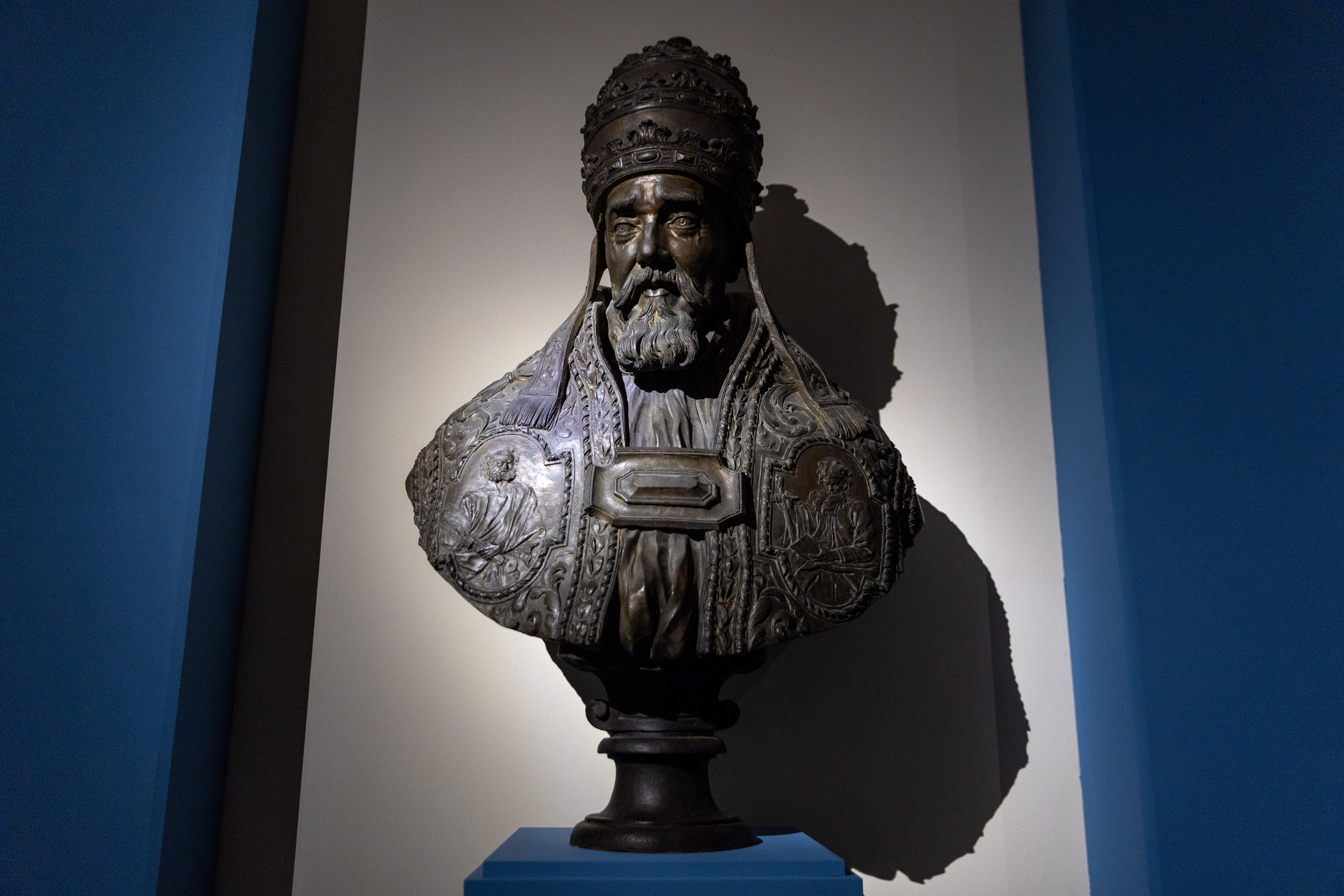
An entire wall is dedicated to Urban VIII’s image. Cicconi said the display of several seemingly similar busts — yet in fact profoundly different — helps visitors see how Bernini constructed and modulated the pope’s official image.
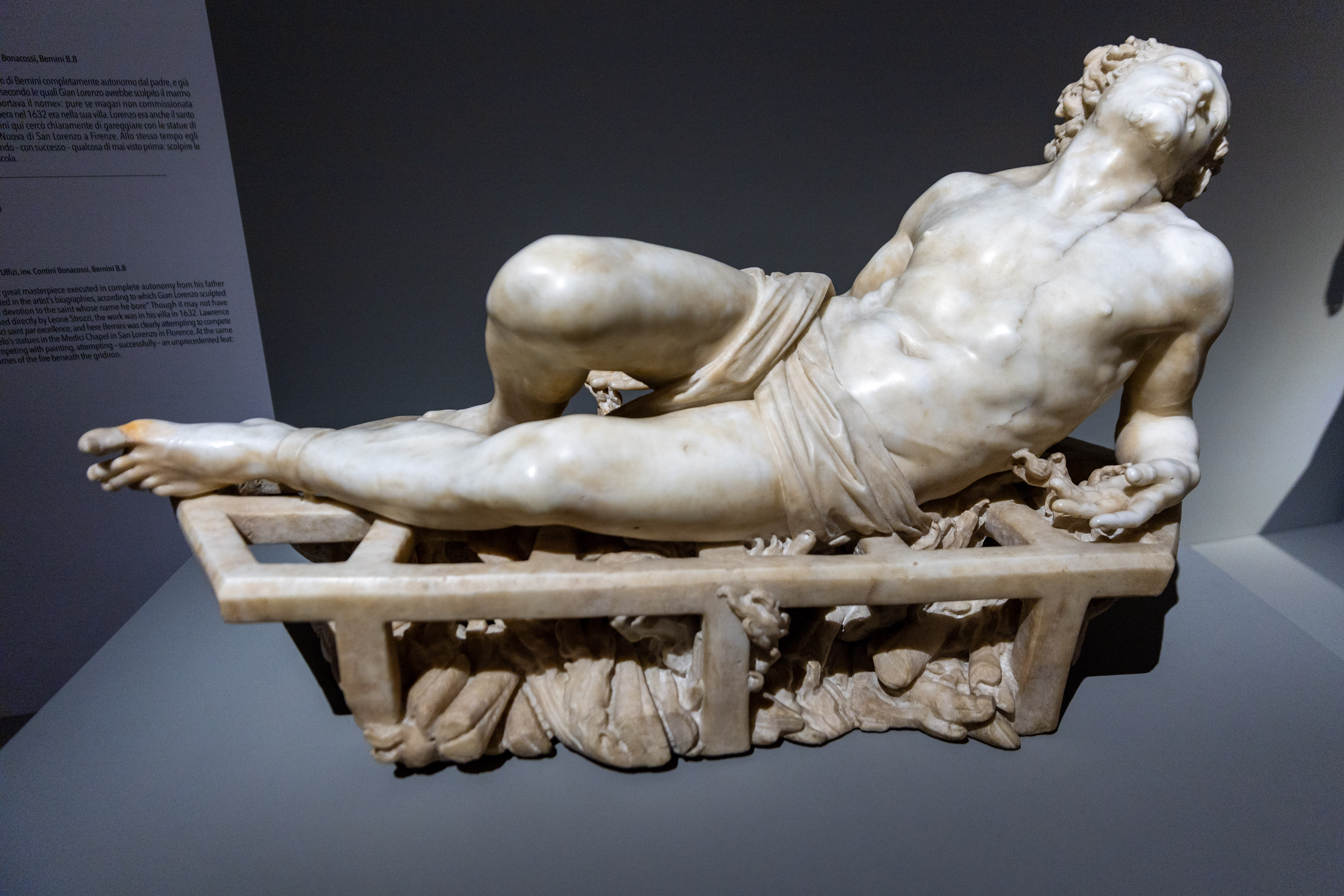
There are busts in marble, bronze, and even ancient red porphyry. Some were made directly by Bernini, others with the help of assistants, but always based on his model.
The show also highlights a lesser-known side of Bernini: painting. “It may be the least known aspect for the general public and yet extremely interesting,” Cicconi said.
Urban VIII even dreamed of making him the new Michelangelo of his pontificate and wanted him to decorate the Loggia of Blessings, echoing the ambition of the Sistine Chapel commissioned by Pope Julius II. Bernini, however, refused.
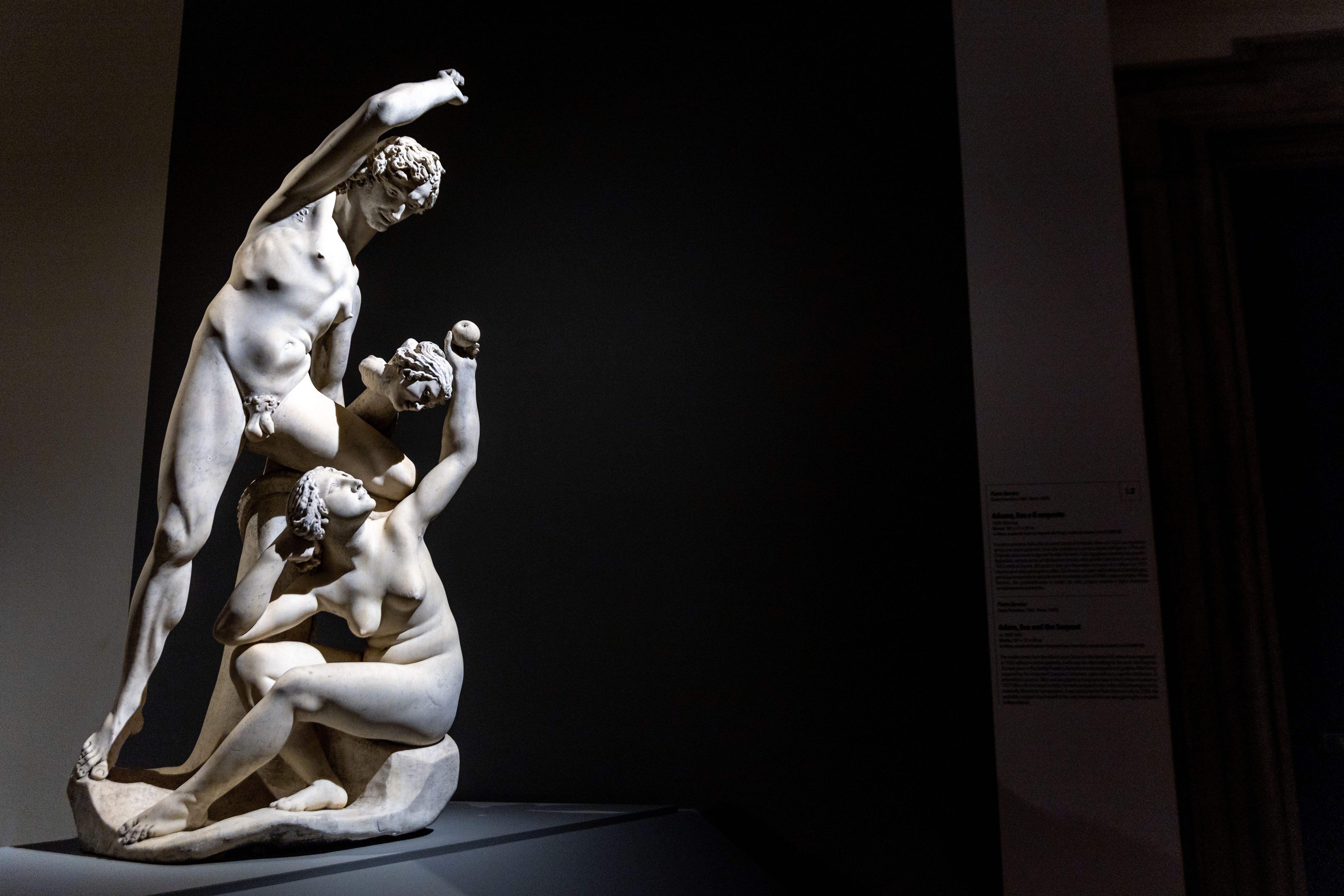
“The freedom of Gian Lorenzo Bernini is seen precisely in the possibility — or not — of freely accepting commissions,” Cicconi said.
Though Bernini would outlive his patron and serve other popes, the exhibition intentionally concentrates on the decisive years of Urban VIII’s pontificate, from 1623 to 1644, when the Barberini pope’s support helped propel the young Bernini into the heart of St. Peter’s — and into the center of Catholic artistic history.
This story was first published by ACI Prensa, the Spanish-language sister service of EWTN News. It has been translated and adapted by EWTN News English.
Source: https://www.ewtnnews.com/vatican/a-pope-s-magnificent-bet-on-a-young-bernini
Anyone can join.
Anyone can contribute.
Anyone can become informed about their world.
"United We Stand" Click Here To Create Your Personal Citizen Journalist Account Today, Be Sure To Invite Your Friends.
Before It’s News® is a community of individuals who report on what’s going on around them, from all around the world. Anyone can join. Anyone can contribute. Anyone can become informed about their world. "United We Stand" Click Here To Create Your Personal Citizen Journalist Account Today, Be Sure To Invite Your Friends.
LION'S MANE PRODUCT
Try Our Lion’s Mane WHOLE MIND Nootropic Blend 60 Capsules
Mushrooms are having a moment. One fabulous fungus in particular, lion’s mane, may help improve memory, depression and anxiety symptoms. They are also an excellent source of nutrients that show promise as a therapy for dementia, and other neurodegenerative diseases. If you’re living with anxiety or depression, you may be curious about all the therapy options out there — including the natural ones.Our Lion’s Mane WHOLE MIND Nootropic Blend has been formulated to utilize the potency of Lion’s mane but also include the benefits of four other Highly Beneficial Mushrooms. Synergistically, they work together to Build your health through improving cognitive function and immunity regardless of your age. Our Nootropic not only improves your Cognitive Function and Activates your Immune System, but it benefits growth of Essential Gut Flora, further enhancing your Vitality.

Our Formula includes: Lion’s Mane Mushrooms which Increase Brain Power through nerve growth, lessen anxiety, reduce depression, and improve concentration. Its an excellent adaptogen, promotes sleep and improves immunity. Shiitake Mushrooms which Fight cancer cells and infectious disease, boost the immune system, promotes brain function, and serves as a source of B vitamins. Maitake Mushrooms which regulate blood sugar levels of diabetics, reduce hypertension and boosts the immune system. Reishi Mushrooms which Fight inflammation, liver disease, fatigue, tumor growth and cancer. They Improve skin disorders and soothes digestive problems, stomach ulcers and leaky gut syndrome. Chaga Mushrooms which have anti-aging effects, boost immune function, improve stamina and athletic performance, even act as a natural aphrodisiac, fighting diabetes and improving liver function. Try Our Lion’s Mane WHOLE MIND Nootropic Blend 60 Capsules Today. Be 100% Satisfied or Receive a Full Money Back Guarantee. Order Yours Today by Following This Link.


| Visits: | 1,790,875,696 |
| Stories: | 8,610,788 |
Whistler Blowers, Insiders

