

What Non-Economic Damages Mean in Personal Injury Cases

When you’re injured due to someone else’s negligence, your losses extend far beyond medical bills and lost wages. Pain, suffering, emotional distress, and lost quality of life represent real harms that don’t have obvious dollar values attached. These intangible losses are called non-economic damages, and they often comprise the largest portion of injury settlements.
Many injured people don’t understand that these damages exist or how to quantify them in legal proceedings. Pursuing fair compensation requires acknowledging that your suffering carries financial value even though it’s harder to measure than a hospital bill.
Non-economic damages recognize that injuries harm you in ways beyond the purely financial. Your pain matters legally and ethically. Emotional trauma from accidents creates lasting impacts on your quality of life. Relationships sometimes suffer from injury-related stress and physical limitations. Work satisfaction decreases when you can’t perform your job as before.
These human dimensions of injury deserve compensation alongside economic losses. Insurance companies sometimes downplay non-economic damages, but courts consistently recognize their importance and award substantial compensation for them.
The value of your suffering extends beyond what you can document with receipts and invoices. Courts recognize that non-economic damages deserve serious consideration in injury claims. Understanding what non-economic damages mean in personal injury cases helps you pursue fair compensation. Calculating these damages requires understanding various factors that influence their value and negotiation approach.
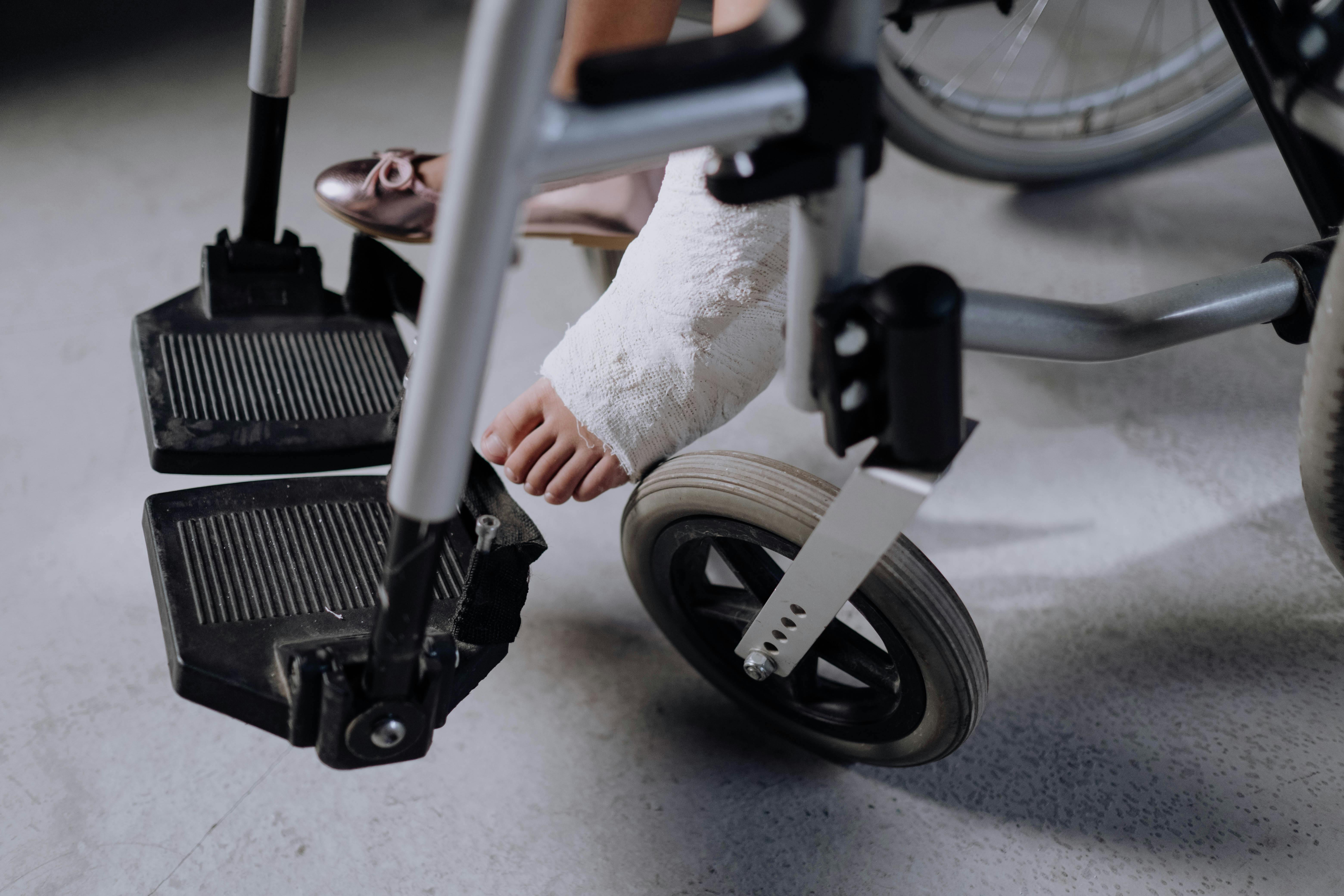
Pain, Suffering, and Emotional Harm
Pain and suffering represent the most straightforward non-economic damages in personal injury cases. Physical pain from your injury creates real suffering that persists throughout recovery. Chronic pain conditions that develop from injuries sometimes last forever, creating ongoing suffering. The intensity, duration, and permanence of pain all influence how much compensation is appropriate. Courts recognize that someone experiencing intense pain for months deserves more compensation than someone experiencing minor discomfort briefly.
Emotional harm accompanying physical injury includes anxiety, depression, and trauma responses. Many accident victims develop anxiety about driving, flying, or entering the location where injury occurred. Post-traumatic stress disorder sometimes develops from the violent nature of accidents. Loss of sense of safety and security represents emotional harm with real consequences for daily functioning. Medical professionals can document psychological injuries through evaluations and testimony about your mental health status.
Emotional distress encompasses the mental anguish you experience from the injury and its consequences. Fear about permanent disability, worry about finances, and despair about recovery timeline all constitute emotional suffering. The more severe the injury and longer the recovery, the greater the emotional distress typically experienced. Ongoing uncertainties about outcomes and treatment create ongoing emotional harm beyond initial injury trauma.
Loss of Enjoyment and Quality of Life
Loss of enjoyment of life represents compensation for activities you can no longer participate in or enjoy as before. If you loved hiking and your injury prevents this hobby permanently, that loss has value. Athletic pursuits, recreational activities, and hobbies that define how you spend leisure time might become impossible. Social activities and entertainment that brought pleasure become inaccessible when mobility is limited or pain is severe. Missing these valued experiences represents real loss worthy of compensation.
Relationship impacts from injury sometimes extend non-economic damages. Marital relationships suffer when injury affects intimacy, shared activities, or the injured person’s ability to contribute equally. Parenting becomes more difficult when injury limits your ability to care for or play with children. Friendship dynamics change when you can’t participate in activities previously shared. The loss of these relationship qualities and interactions represents non-economic harm to compensate.
Quality of life diminishes when injury creates permanent limitations or chronic conditions. The ability to engage in spontaneous activities decreases when pain management or physical limitations constrain your options. Independence decreases when you need assistance with previously routine tasks. Daily activities become painful or impossible to perform. This degradation of overall quality of life deserves recognition and compensation in injury claims.
How These Damages Are Evaluated
Courts evaluate non-economic damages using various approaches including the multiplier method. This method takes your economic damages and multiplies them by a number reflecting how severely non-economic damages affect you. A factor of two to five is common depending on injury severity. More serious injuries justify higher multipliers. This creates a direct mathematical relationship between economic losses and non-economic compensation.
The per diem approach assigns a daily dollar value to your suffering. A judge or jury determines an appropriate daily amount based on testimony about your pain and suffering. This amount is multiplied by the number of days you experience the condition. The approach works well for conditions lasting defined periods but less well for permanent injuries. Medical testimony, your own testimony, and expert evaluations all influence the daily value assigned.
Jury instructions and prior case precedents guide damage calculations in specific jurisdictions. Similar cases in your area provide benchmarks for what judges and juries typically award. Insurance companies have internal guidelines about non-economic damages based on injury type and severity. Settlement negotiations often reference these benchmarks. Understanding what similar injuries receive in compensation helps you evaluate whether settlement offers are fair.
Common Misunderstandings
Many people believe non-economic damages are speculation or that courts won’t take them seriously. The reality is that courts consistently award substantial non-economic damages in injury cases. These damages are well-established in law and routinely recognized as legitimate. Insurance companies negotiating settlements factor non-economic damages heavily into their calculations. Judges and juries regularly award millions in non-economic damages for serious injuries.
Some injured people think they must minimize pain or show stoicism to win cases. Actually, being honest about your suffering and its impact strengthens your claim. Minimizing your experience or downplaying pain undermines your case. Insurance adjusters and juries want to hear candidly about how the injury affects your daily life. Medical documentation of your condition combined with your authentic testimony about suffering creates compelling evidence.
Another misconception involves thinking non-economic damages are unpredictable or arbitrary. While judges and juries have discretion, they apply reasoned approaches based on injury factors and precedent. Expert testimony about your suffering, economic multipliers, and comparable cases provide structure. Non-economic damages aren’t random—they follow patterns based on injury type, severity, and impact.
Conclusion
Non-economic damages recognize that injuries harm you beyond purely financial ways. Pain and suffering, emotional distress, and lost quality of life all deserve monetary compensation. Courts consistently award substantial non-economic damages because they understand that suffering carries real value. Calculating these damages uses established methods including multipliers and per diem approaches. Understanding what non-economic damages mean ensures you pursue fair compensation for your full losses. Being honest about your suffering and its impacts strengthens your claim significantly. Recognizing that your intangible losses matter legally and pursuing appropriate compensation protects your interests throughout the claims and settlement process.
Anyone can join.
Anyone can contribute.
Anyone can become informed about their world.
"United We Stand" Click Here To Create Your Personal Citizen Journalist Account Today, Be Sure To Invite Your Friends.
Before It’s News® is a community of individuals who report on what’s going on around them, from all around the world. Anyone can join. Anyone can contribute. Anyone can become informed about their world. "United We Stand" Click Here To Create Your Personal Citizen Journalist Account Today, Be Sure To Invite Your Friends.
LION'S MANE PRODUCT
Try Our Lion’s Mane WHOLE MIND Nootropic Blend 60 Capsules
Mushrooms are having a moment. One fabulous fungus in particular, lion’s mane, may help improve memory, depression and anxiety symptoms. They are also an excellent source of nutrients that show promise as a therapy for dementia, and other neurodegenerative diseases. If you’re living with anxiety or depression, you may be curious about all the therapy options out there — including the natural ones.Our Lion’s Mane WHOLE MIND Nootropic Blend has been formulated to utilize the potency of Lion’s mane but also include the benefits of four other Highly Beneficial Mushrooms. Synergistically, they work together to Build your health through improving cognitive function and immunity regardless of your age. Our Nootropic not only improves your Cognitive Function and Activates your Immune System, but it benefits growth of Essential Gut Flora, further enhancing your Vitality.

Our Formula includes: Lion’s Mane Mushrooms which Increase Brain Power through nerve growth, lessen anxiety, reduce depression, and improve concentration. Its an excellent adaptogen, promotes sleep and improves immunity. Shiitake Mushrooms which Fight cancer cells and infectious disease, boost the immune system, promotes brain function, and serves as a source of B vitamins. Maitake Mushrooms which regulate blood sugar levels of diabetics, reduce hypertension and boosts the immune system. Reishi Mushrooms which Fight inflammation, liver disease, fatigue, tumor growth and cancer. They Improve skin disorders and soothes digestive problems, stomach ulcers and leaky gut syndrome. Chaga Mushrooms which have anti-aging effects, boost immune function, improve stamina and athletic performance, even act as a natural aphrodisiac, fighting diabetes and improving liver function. Try Our Lion’s Mane WHOLE MIND Nootropic Blend 60 Capsules Today. Be 100% Satisfied or Receive a Full Money Back Guarantee. Order Yours Today by Following This Link.


| Visits: | 1,768,832,179 |
| Stories: | 8,567,221 |
Whistler Blowers, Insiders

