

How “normal” eating is quietly damaging your brain, researchers warn

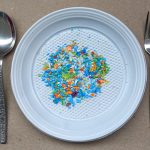 (NaturalHealth365) Most adults now eat approximately 250 grams of microplastics each year; enough to cover an entire dinner plate. While the body tries to clear most of these particles, research published in Molecular and Cellular Biochemistry confirms that they accumulate in organs, particularly the brain. Scientists examining brain tissue found microplastic concentrations increased by 50% between 2016 and 2024, with the highest levels detected in the frontal cortex, the region responsible for cognitive function.
The implications extend far beyond simple accumulation. More than 57 million people worldwide live with dementia, with Alzheimer’s and Parkinson’s cases projected to rise sharply. The possibility that microplastics could accelerate these devastating diseases represents a major public health concern that Western medicine continues to ignore.
Research uncovers five pathways microplastics use to damage brain cells
Scientists identified five distinct mechanisms through which microplastics harm the brain: triggering immune cell activity, generating oxidative stress, disrupting the blood-brain barrier, impairing mitochondria, and directly damaging neurons. These pathways work together, creating cascading damage throughout brain tissue.
Microplastics weaken the blood-brain barrier, making it permeable to inflammatory molecules and immune cells that wouldn’t normally access brain tissue. Once this protective barrier is compromised, the brain’s immune cells treat microplastics as foreign invaders and mount an attack, triggering chronic inflammation that destroys healthy neurons.
The oxidative stress pathway proves particularly destructive. Microplastics increase unstable molecules called reactive oxygen species while simultaneously weakening the body’s antioxidant defenses, the systems that normally neutralize these damaging molecules. This creates an environment where cellular damage accelerates unchecked.
Mitochondrial dysfunction adds another layer of harm. Microplastics interfere with how mitochondria produce energy, reducing the supply of ATP, the fuel cells require to function. This energy deficit weakens neuronal activity and ultimately damages brain cells, setting the stage for neurodegenerative disease.
Specific connections to Alzheimer’s and Parkinson’s are emerging from research
The study reveals that microplastics contribute to Alzheimer’s disease by triggering an increased buildup of beta-amyloid plaques and tau proteins, the hallmark features of the disease. In Parkinson’s disease, microplastics promote aggregation of alpha-synuclein and damage dopaminergic neurons, the exact pathology observed in patients.
Brain tissue analysis from individuals with documented dementia showed significant microplastic accumulation in immune cells and cerebrovascular walls, suggesting these particles concentrate in regions already experiencing inflammation and vascular problems. The frontal cortex samples revealed particularly high concentrations, directly correlating with the cognitive decline characteristic of dementia.
Researchers found that microplastics can cross the blood-brain barrier within just 2 hours of oral ingestion, bypassing it through multiple mechanisms. Even more concerning, inhaled microplastics can traverse the nasal cavity and reach the olfactory bulb, providing a direct route that completely bypasses protective barriers.
Natural strategies to reduce exposure and support brain detoxification
To minimize microplastic intake while supporting your body’s natural detoxification systems, consider the following actions:
Eliminate plastic from food contact: Replace plastic containers with glass or stainless steel, avoid plastic cutting boards, and choose fresh, whole foods over packaged products. Stop microwaving food in plastic, as heat accelerates chemical leaching. Skip takeout in plastic containers when possible.
Choose natural fibers exclusively: Synthetic clothing releases microplastic fibers with every wash and through normal wear. Select cotton, linen, wool, and other natural fabrics. Avoid using clothes dryers, which accelerate fiber breakdown and release.
Filter your water properly: Install high-quality water filters that remove microplastics. Avoid drinking from plastic bottles, especially those exposed to heat or sunlight.
Support cellular detoxification: Include organic cruciferous vegetables, such as broccoli and Brussels sprouts, rich in sulforaphane, to enhance liver detoxification. Ensure adequate glutathione production by supplementing with N-acetylcysteine. Consume selenium-rich foods such as Brazil nuts, and consider binding agents that help remove accumulated toxins.
Reduce inflammation naturally: Prioritize anti-inflammatory omega-3 fatty acids from wild-caught fish, incorporate turmeric with black pepper to enhance absorption, and ensure adequate vitamin D levels by testing and supplementation.
Discover the brain protection strategies Western medicine ignores
The microplastic-brain connection reveals how environmental toxins Western medicine dismisses are driving the dementia epidemic. Conventional approaches ignore root causes, focusing instead on pharmaceutical management after the disease develops.
Ready to learn what leading brain health experts recommend for cognitive protection?
Get access to Jonathan Landsman’s Alzheimer’s and Dementia Summit, which brings together 31 holistic experts, researchers, doctors, and nutritionists, revealing evidence-based approaches that conventional medicine overlooks. Discover advanced strategies for removing environmental toxins safely, functional tests that detect brain changes years before diagnosis, natural protocols for reversing cognitive decline, the connection between toxic burden and dementia risk, and how nutritional deficiencies accelerate neurodegeneration.
Bottom line: Adults consume a dinner plate’s worth of microplastics annually, with concentrations in brain tissue increasing 50% in recent years. These particles damage the brain through five distinct pathways, contributing to both Alzheimer’s and Parkinson’s disease. Protect your cognitive future by eliminating plastic exposure, choosing natural materials, filtering water, and supporting your body’s detoxification systems, because Western medicine won’t address these root causes.
Sources for this article include:
The post How “normal” eating is quietly damaging your brain, researchers warn appeared first on NaturalHealth365.
Visit Natural Health 365 Here /
Source: https://www.naturalhealth365.com/everyday-exposure-is-quietly-damaging-your-brain-researchers-warn.html
Anyone can join.
Anyone can contribute.
Anyone can become informed about their world.
"United We Stand" Click Here To Create Your Personal Citizen Journalist Account Today, Be Sure To Invite Your Friends.
Before It’s News® is a community of individuals who report on what’s going on around them, from all around the world. Anyone can join. Anyone can contribute. Anyone can become informed about their world. "United We Stand" Click Here To Create Your Personal Citizen Journalist Account Today, Be Sure To Invite Your Friends.
LION'S MANE PRODUCT
Try Our Lion’s Mane WHOLE MIND Nootropic Blend 60 Capsules
Mushrooms are having a moment. One fabulous fungus in particular, lion’s mane, may help improve memory, depression and anxiety symptoms. They are also an excellent source of nutrients that show promise as a therapy for dementia, and other neurodegenerative diseases. If you’re living with anxiety or depression, you may be curious about all the therapy options out there — including the natural ones.Our Lion’s Mane WHOLE MIND Nootropic Blend has been formulated to utilize the potency of Lion’s mane but also include the benefits of four other Highly Beneficial Mushrooms. Synergistically, they work together to Build your health through improving cognitive function and immunity regardless of your age. Our Nootropic not only improves your Cognitive Function and Activates your Immune System, but it benefits growth of Essential Gut Flora, further enhancing your Vitality.

Our Formula includes: Lion’s Mane Mushrooms which Increase Brain Power through nerve growth, lessen anxiety, reduce depression, and improve concentration. Its an excellent adaptogen, promotes sleep and improves immunity. Shiitake Mushrooms which Fight cancer cells and infectious disease, boost the immune system, promotes brain function, and serves as a source of B vitamins. Maitake Mushrooms which regulate blood sugar levels of diabetics, reduce hypertension and boosts the immune system. Reishi Mushrooms which Fight inflammation, liver disease, fatigue, tumor growth and cancer. They Improve skin disorders and soothes digestive problems, stomach ulcers and leaky gut syndrome. Chaga Mushrooms which have anti-aging effects, boost immune function, improve stamina and athletic performance, even act as a natural aphrodisiac, fighting diabetes and improving liver function. Try Our Lion’s Mane WHOLE MIND Nootropic Blend 60 Capsules Today. Be 100% Satisfied or Receive a Full Money Back Guarantee. Order Yours Today by Following This Link.


| Visits: | 1,766,473,249 |
| Stories: | 8,562,760 |
Whistler Blowers, Insiders

