

The Complete Guide to Herbs for Digestion & Gut Health

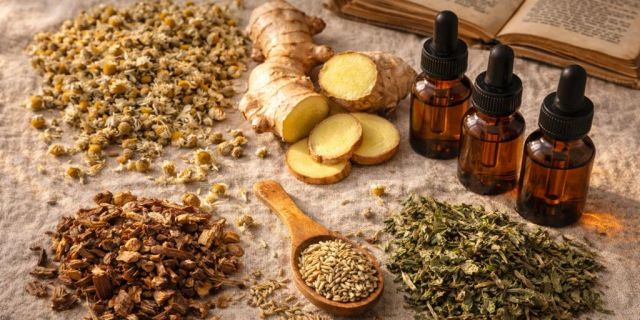
Article originally published on The Lost Herbs
Your gut is arguably the most important system in your body. It processes every meal you eat, houses roughly 70% of your immune system, produces a significant portion of your body’s serotonin, and communicates directly with your brain through the gut-brain axis. When your digestion is off, everything feels off — energy, mood, skin, immunity, and mental clarity all suffer alongside the obvious physical discomfort.
Pharmaceutical approaches to digestive complaints have their place, but many of the most effective tools for supporting long-term gut health have been growing in gardens and fields for thousands of years. Herbalists, traditional healers, and home practitioners have relied on specific plants to calm inflammation, stimulate digestive secretions, relieve spasms, support beneficial bacteria, and heal damaged gut lining — and modern research is increasingly validating what generations of practical experience established long ago.
This is your complete guide to the most important herbs for digestion and gut health: what they do, how to use them, and how to build a practical herbal protocol for your specific digestive needs.
The short version is available through the video below but if you do have time, make sure to read the comprehensive article below too:
Understanding Digestive Health: What Can Go Wrong
Before diving into the herbs themselves, it helps to understand the major categories of digestive dysfunction, because different herbs address different problems. Using a carminative herb for low stomach acid won’t help much, just as using a bitter tonic for intestinal spasms will likely make things worse.
- Low stomach acid (hypochlorhydria) — Contrary to popular belief, most cases of heartburn, bloating after meals, and incomplete digestion are caused by too little stomach acid rather than too much. Proper acid levels are essential for protein digestion, mineral absorption, and preventing bacterial overgrowth in the upper digestive tract.
- Sluggish digestion and bile insufficiency — The liver and gallbladder produce and concentrate bile, which is essential for fat digestion and toxin elimination. A sluggish liver or reduced bile flow results in bloating, nausea after fatty meals, pale stools, and a general sense of heaviness after eating.
- Intestinal inflammation — Chronic inflammation of the gut lining, whether from food sensitivities, dysbiosis, stress, or autoimmune conditions like Crohn’s disease or ulcerative colitis, damages the mucosal barrier and impairs nutrient absorption.
- Intestinal spasms and dysregulation — Characterized by cramping, alternating constipation and diarrhea, and unpredictable bowel habits, often diagnosed as irritable bowel syndrome (IBS).
- Dysbiosis — An imbalance in the gut microbiome, where harmful bacteria, fungi, or parasites crowd out beneficial strains. Dysbiosis underlies a wide range of digestive and systemic health issues.
- Leaky gut (intestinal permeability) — Damage to the tight junctions between intestinal cells allows incompletely digested food particles and bacterial byproducts to enter the bloodstream, triggering immune responses and systemic inflammation.
With that framework in mind, here are the most important herbs for each category of digestive support.
Bitter Herbs: The Foundation of Digestive Support
Bitters are the most foundational category in herbal digestive medicine, and also the most neglected in modern Western diets. Bitter taste receptors in the mouth trigger a reflex cascade that increases saliva production, stimulates hydrochloric acid secretion in the stomach, promotes bile release from the gallbladder, and primes the entire digestive system for the meal ahead.
Traditional cultures around the world consumed bitter foods and herbs with every meal — dandelion greens, radicchio, artichoke, gentian-based aperitifs — specifically because they understood that digestion begins before the first bite of food is swallowed.
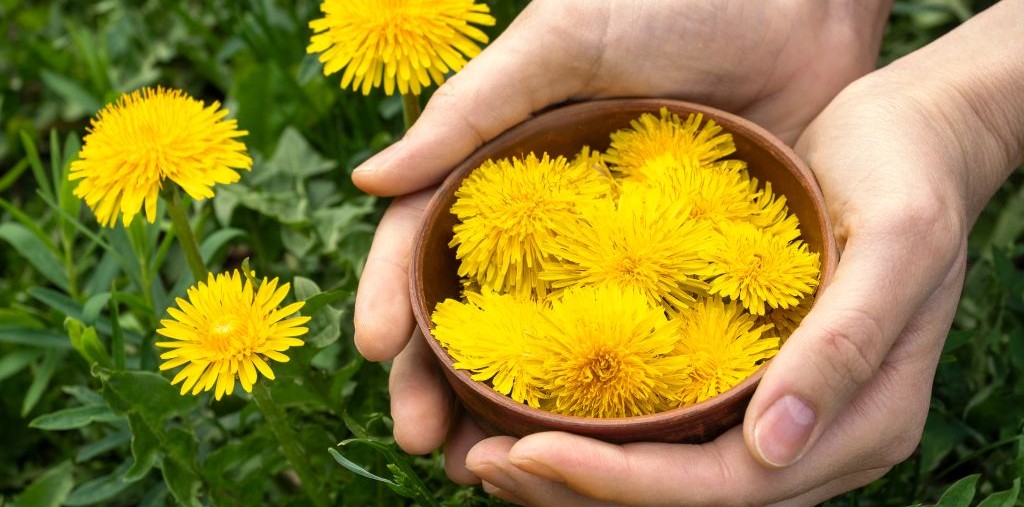 Dandelion Root (Taraxacum officinale)
Dandelion root is one of the most accessible and versatile digestive herbs available, and the fact that most people treat it as a lawn weed is a genuine loss. The root acts as a gentle liver tonic and bile stimulant, improving the digestion of fats and supporting the liver’s detoxification pathways. It also has mild prebiotic properties — dandelion root contains inulin, a soluble fiber that feeds beneficial bacteria in the colon.
- Research support: A 2011 study published in Evidence-Based Complementary and Alternative Medicine confirmed dandelion’s anti-inflammatory and liver-protective properties. The plant contains taraxacin and taraxacerin, bitter sesquiterpene lactones responsible for its digestive-stimulating effects.
- How to use: Roasted dandelion root tea is a pleasant, coffee-like beverage taken before meals as a digestive tonic. Tincture form (1:5 in 25% alcohol) is more concentrated and convenient for daily use. Dose: 1–2 teaspoons of tincture in a small amount of water before meals.
- Best for: Sluggish digestion, bloating after fatty meals, liver support, mild constipation, and poor fat digestion.
 Gentian Root (Gentiana lutea)
Gentian is one of the most intensely bitter substances known — it remains detectable by taste at a dilution of 1 in 12,000. This extreme bitterness makes it one of the most powerful digestive bitters available, capable of dramatically stimulating stomach acid, digestive enzymes, and bile production even in very small doses.
- Research support: A 2017 randomized clinical trial published in Phytotherapy Research found that gentian root significantly reduced dyspeptic symptoms including nausea, heartburn, and upper abdominal discomfort compared to placebo.
- How to use: Gentian is almost always used in small doses as a tincture or in proprietary bitter formulas. A few drops in water 15 to 20 minutes before meals is standard. It should not be used in large amounts or by people with gastric ulcers or gastritis, as its acid-stimulating effects can aggravate existing inflammation.
- Best for: Low stomach acid, poor appetite, chronic indigestion, sluggish bile production.
 Artichoke Leaf (Cynara scolymus)
Artichoke leaf extract is one of the most well-researched herbal digestive remedies, with a strong evidence base specifically for functional dyspepsia — the medical term for chronic indigestion without an identifiable structural cause. The active compounds cynarin and cynaropicrin stimulate bile production and flow, support liver function, and have demonstrated cholesterol-lowering properties.
- Research support: A systematic review published in the Journal of Cellular Physiology (2018) analyzed multiple clinical trials and concluded that artichoke leaf extract significantly improves symptoms of functional dyspepsia and has hepatoprotective effects. A landmark German study of 553 patients found a 40% reduction in overall dyspepsia symptoms after six weeks of artichoke leaf supplementation.
- How to use: Standardized artichoke leaf extract (containing 2.5–5% cynarin) in capsule form, 300–640 mg taken before meals. Tincture is also available. Avoid in people with gallstones or bile duct obstruction, as increased bile flow can cause complications.
- Best for: Bloating, nausea, fatty food intolerance, elevated cholesterol, liver support, IBS with predominantly bloating symptoms.
Carminative Herbs: Relief from Gas and Bloating
Carminatives are herbs that relax the smooth muscle of the digestive tract, disperse trapped gas, and relieve the cramping and bloating that accompany poor digestion. They work primarily through volatile oils that interact with receptors in the gut wall. Most kitchen herbs and spices fall into this category, which is why traditional cuisines around the world developed the habit of pairing carminative herbs with legumes, cruciferous vegetables, and other gas-producing foods.
 Peppermint (Mentha × piperita)
Peppermint is the most extensively studied carminative herb and one of the most clinically validated herbal remedies for digestive complaints. Its primary active compound, menthol, acts as a calcium channel blocker in intestinal smooth muscle, reducing spasms and cramping while allowing trapped gas to move through the digestive tract more easily.
- Research support: A meta-analysis published in the Journal of Clinical Gastroenterology (2014) analyzed nine randomized controlled trials and found that enteric-coated peppermint oil capsules were significantly more effective than placebo for reducing IBS symptoms, with a number-needed-to-treat (NNT) of 2.5 — meaning one in every 2.5 patients treated experienced significant symptom relief. This is a remarkably strong effect size for any intervention in IBS.
- How to use: For IBS and intestinal spasms, enteric-coated peppermint oil capsules (187–225 mg, two to three times daily between meals) deliver the active compounds to the small intestine rather than releasing in the stomach. Peppermint tea is effective for upper digestive bloating and indigestion. Note: Peppermint relaxes the lower esophageal sphincter and can worsen acid reflux in susceptible individuals — use with caution if GERD is a concern.
- Best for: IBS, intestinal cramping and spasms, bloating, nausea, upper digestive discomfort.

Fennel Seed (Foeniculum vulgare)
Fennel seed has been used as a digestive remedy in Mediterranean, Middle Eastern, and Ayurvedic medicine for thousands of years. Its volatile oils — primarily trans-anethole, fenchone, and estragole — relax intestinal smooth muscle, reduce gas production, and have demonstrated antimicrobial activity against several pathogenic bacteria implicated in gut dysbiosis.
- Research support: A study published in the Journal of Ethnopharmacology found that fennel seed extract significantly reduced intestinal spasms and inhibited the growth of multiple pathogenic bacteria including E. coli and Staphylococcus aureus. In infant colic research, fennel seed tea consistently outperforms placebo in reducing crying time and symptom severity.
- How to use: Fennel seed tea made from lightly crushed seeds is the simplest preparation — steep one teaspoon of crushed seeds in hot water for 10 minutes and drink after meals. Tincture form is more concentrated. Chewing a small pinch of fennel seeds after meals is a traditional Indian practice (mukhwas) with genuine physiological rationale.
- Best for: Post-meal bloating and gas, intestinal cramping, infant colic, dysbiosis, nausea.

Ginger (Zingiber officinale)
Ginger is simultaneously one of the most widely consumed culinary spices and one of the most pharmacologically active digestive herbs. Its active compounds — gingerols and shogaols — accelerate gastric emptying, reduce nausea, stimulate digestive secretions, and have potent anti-inflammatory effects throughout the digestive tract.
- Research support: Ginger’s anti-nausea effects are among the most well-documented in herbal medicine. A meta-analysis published in Obstetrics & Gynecology found ginger significantly more effective than placebo for nausea and vomiting of pregnancy. Separate research has demonstrated effectiveness for chemotherapy-induced nausea and post-operative nausea. A 2008 study in the European Journal of Gastroenterology & Hepatology found that ginger significantly accelerated gastric emptying in healthy volunteers, supporting its traditional use for fullness and sluggish digestion.
- How to use: Fresh ginger tea — slice or grate a one-inch piece of fresh root into hot water and steep for 10 minutes — is the most bioavailable form. Dried ginger in capsule form (500–1000 mg daily) is convenient for regular use. Ginger tincture is effective and fast-acting for acute nausea. Candied ginger works well for motion sickness and morning sickness.
- Best for: Nausea, motion sickness, slow gastric emptying, post-meal fullness, digestive inflammation, morning sickness.
 Chamomile (Matricaria chamomilla)
Chamomile is perhaps the gentlest and most broadly applicable digestive herb, suitable for everything from infant colic to adult IBS. Its anti-spasmodic, anti-inflammatory, and mild anxiolytic properties make it particularly valuable for stress-related digestive complaints — the gut-brain axis runs both directions, and chamomile addresses both ends simultaneously.
- Research support: The bisabolol and apigenin compounds in chamomile have demonstrated anti-spasmodic activity in intestinal smooth muscle research. A 2014 study published in Molecular Medicine Reports confirmed chamomile’s significant anti-inflammatory effects through inhibition of COX-2 and iNOS pathways — the same pathways targeted by many pharmaceutical NSAIDs.
- How to use: Strong chamomile tea (two teaspoons of dried flowers steeped for 10–15 minutes, covered) is the most traditional and effective preparation. For serious digestive complaints, a concentrated tincture (1:5 in 45% alcohol) taken three times daily produces more reliable results than tea alone. Chamomile is one of the safest herbs available and can be used freely by children and during pregnancy.
- Best for: IBS, nervous indigestion, stress-related gut symptoms, infant colic, intestinal spasms, mild inflammation.
Gut-Healing Herbs: Repairing the Mucosal Lining
When the gut lining is damaged or inflamed — whether from chronic stress, food sensitivities, dysbiosis, NSAIDs, alcohol, or infection — a different category of herbs becomes essential. These herbs work by coating and protecting the mucosal lining, reducing inflammation, and supporting the regeneration of healthy epithelial tissue.
 Marshmallow Root (Althaea officinalis)
Marshmallow root contains an extraordinarily high concentration of mucilage — long-chain polysaccharides that form a protective gel when they contact water and the mucous membranes of the digestive tract. This gel coats and soothes inflamed tissue from the mouth all the way to the colon, creating a physical barrier that reduces irritation and supports healing.
- Research support: A 2013 study in Complementary Medicine Research found marshmallow root syrup significantly reduced throat irritation and dry cough. The same mucilagenous mechanism applies throughout the digestive tract. In vitro research has confirmed that marshmallow root polysaccharides promote the proliferation of epithelial cells — the cells that line the gut wall.
- How to use: Cold-water infusion is the superior preparation for marshmallow root — hot water can partially degrade the mucilaginous polysaccharides. Soak two tablespoons of dried root in a quart of cold water for four to eight hours (or overnight), strain, and sip throughout the day. This is particularly effective for gastritis, esophageal irritation, and inflammatory bowel conditions. Capsule form is also available.
- Best for: Gastritis, leaky gut, esophageal irritation, IBD, intestinal inflammation, dry or irritated digestive tract.
 Slippery Elm (Ulmus rubra)
Slippery elm bark is another powerful mucilaginous herb with a long history of use among Native American healers and traditional Western herbalists. Like marshmallow root, it forms a protective gel in the digestive tract, but it also contains antioxidants that reduce inflammation and has demonstrated prebiotic properties.
- Research support: A pilot study published in the Journal of Alternative and Complementary Medicine found that a slippery elm-based formula significantly improved bowel habits and symptoms in IBS patients with constipation. The FDA has recognized slippery elm as a safe and effective demulcent for soothing mucous membrane irritation.
- How to use: Slippery elm powder mixed with warm water to form a gruel or porridge is the most therapeutic preparation — the thick, coating texture is precisely the delivery mechanism. Start with one teaspoon in a cup of warm water, sweetened with honey if desired, and increase to two to three teaspoons as tolerated. Capsule form is convenient but less effective than the powder preparation.
- Best for: Leaky gut, gastritis, Crohn’s disease, ulcerative colitis, IBS-C, esophageal reflux, intestinal inflammation.
 Licorice Root (Glycyrrhiza glabra)
Licorice root is one of the most powerful gut-healing herbs available, but it requires careful use. Its active compound glycyrrhizin stimulates mucus production in the stomach lining, inhibits H. pylori — the bacteria responsible for most peptic ulcers — and has significant anti-inflammatory activity in the gut. Deglycyrrhizinated licorice (DGL) — licorice with the glycyrrhizin compound removed — is safer for long-term use and has a strong evidence base specifically for peptic ulcers and gastritis.
- Research support: Multiple studies have demonstrated DGL’s effectiveness for gastric and duodenal ulcers. A 1982 study in the British Medical Journal found DGL comparable to cimetidine (Tagamet) for duodenal ulcer healing. More recent research has confirmed licorice root’s activity against H. pylori, including strains resistant to conventional antibiotics.
- How to use: DGL in chewable tablet form (380–400 mg, chewed 20 minutes before meals) is the standard protocol for gastritis and ulcers — chewing is important as it triggers increased salivary secretions that enhance the herb’s protective effects. Avoid whole licorice root (containing glycyrrhizin) in large doses or long-term use, as glycyrrhizin raises blood pressure and depletes potassium. Contraindicated in hypertension, kidney disease, and pregnancy.
- Best for: Gastritis, peptic ulcers, H. pylori infection, leaky gut, esophageal inflammation.
 Calendula (Calendula officinalis)
Calendula flowers are among the most versatile wound-healing and anti-inflammatory herbs available, and their internal use for gut healing is underappreciated relative to their well-known topical applications. The flavonoids and triterpenoids in calendula reduce intestinal inflammation, support mucosal healing, and have demonstrated activity against several gut pathogens.
- Research support: Research published in the Journal of Wound Care confirmed calendula’s significant wound-healing and anti-inflammatory properties. Animal studies have demonstrated calendula’s ability to protect the gastric mucosa from ulcer formation under experimentally induced stress conditions.
- How to use: Calendula tea made from dried flower petals (one to two teaspoons steeped for 15 minutes) taken three times daily is the most traditional preparation. Tincture is effective for more acute or severe conditions. Calendula is extremely safe and well-tolerated for long-term use.
- Best for: Inflammatory bowel conditions, gastritis, intestinal ulceration, gut dysbiosis, mucosal inflammation.
Antimicrobial Herbs: Addressing Dysbiosis and Gut Infections
When the gut microbiome is imbalanced — too many pathogenic bacteria, fungal overgrowth, parasites, or bacterial overgrowth in the small intestine — antimicrobial herbs can help restore balance without the broad-spectrum devastation of pharmaceutical antibiotics.
 Oregano Oil (Origanum vulgare)
Oregano oil is one of the most potent botanical antimicrobials available. Its primary active compounds, carvacrol and thymol, have demonstrated broad-spectrum activity against bacteria, fungi, parasites, and even some viruses. Research has shown activity against Candida albicans, Giardia, E. coli, Staphylococcus aureus, and H. pylori, among many others.
- Research support: A 2000 study published in Phytotherapy Research found that emulsified oregano oil eliminated intestinal parasites in 77% of patients after 6 weeks of treatment. A 2013 study in Journal of Medicinal Food confirmed strong activity against multiple Candida species, including drug-resistant strains.
- How to use: Enteric-coated oregano oil capsules (50–100 mg of carvacrol content, two to three times daily with meals) for systemic gut dysbiosis. Oil of oregano under the tongue or in water for acute infections. Use in cycles of two to four weeks followed by a break and probiotic repletion — oregano oil does not discriminate well between harmful and beneficial bacteria.
- Best for: Candida overgrowth, SIBO, intestinal parasites, H. pylori, bacterial dysbiosis.
 Berberine (Berberis species — Barberry, Oregon Grape, Goldenseal)
Berberine is an alkaloid found in several important medicinal plants including barberry, Oregon grape, and goldenseal. It is one of the most researched botanical compounds in modern research, with a remarkable range of documented effects including broad-spectrum antimicrobial activity, gut microbiome modulation, blood sugar regulation, and anti-inflammatory properties throughout the digestive tract.
- Research support: A 2015 meta-analysis in the American Journal of Gastroenterology found berberine significantly more effective than placebo for acute infectious diarrhea. Multiple studies have confirmed berberine’s ability to reduce intestinal inflammation in IBD animal models. Research has also demonstrated significant activity against H. pylori, Candida, MRSA, and several intestinal parasites. A landmark 2015 study found berberine comparable to metformin for blood glucose regulation in type 2 diabetes — relevant to gut health because blood sugar dysregulation and gut dysbiosis are deeply interconnected.
- How to use: Berberine hydrochloride in capsule form, 500 mg two to three times daily with meals. Use in cycles — berberine has significant microbiome-modifying effects and should be followed by probiotic repletion. Contraindicated in pregnancy (uterine stimulant). May interact with cyclosporine and some pharmaceutical medications.
- Best for: Gut dysbiosis, SIBO, Candida, infectious diarrhea, IBD, blood sugar dysregulation associated with gut issues.

Thyme (Thymus vulgaris)
Thyme is far more than a kitchen herb. Its volatile oils — particularly thymol — have potent antimicrobial activity against gut pathogens, and thyme tea or tincture has a long history of use for digestive infections, intestinal worms, and gut dysbiosis. It also functions as a mild carminative and antispasmodic.
- How to use: Strong thyme tea (one tablespoon of fresh or one teaspoon of dried herb steeped for 15 minutes, covered to retain volatile oils) two to three times daily. Tincture form for more acute conditions.
- Best for: Gut infections, intestinal dysbiosis, intestinal worms, gas and bloating associated with dysbiosis.
Prebiotic and Microbiome-Supporting Herbs
Slippery Elm and Marshmallow Root (Revisited)
Beyond their gut-healing properties, both slippery elm and marshmallow root function as prebiotics — their polysaccharide content feeds beneficial bacteria in the colon, supporting the growth of Bifidobacterium and Lactobacillus species.
 Burdock Root (Arctium lappa)
Burdock root is rich in inulin — a prebiotic fructooligosaccharide that feeds beneficial gut bacteria and has been shown to increase populations of Bifidobacterium species in the colon. It also supports liver function and lymphatic drainage, which are important secondary factors in gut health.
- How to use: Burdock root tea (decoction — simmer one tablespoon of dried root in two cups of water for 20 minutes) or tincture. Fresh burdock root (gobo) is also available in many Asian grocery stores and can be used as a medicinal food.
- Best for: Gut microbiome support, prebiotic nourishment, liver support, skin conditions associated with gut dysbiosis.
 Chicory Root (Cichorium intybus)
Chicory root contains the highest concentration of inulin of any commonly available plant — up to 48% of its dry weight. Chicory root extract and chicory-based coffee substitutes have a long traditional use as digestive tonics, combining bitter properties (which stimulate digestive secretions) with prebiotic fiber that feeds beneficial bacteria.
- How to use: Roasted chicory root tea or chicory root powder as a coffee substitute, one to two teaspoons per cup. Chicory inulin powder is also available as a supplement (start with small doses — one teaspoon — as high doses can cause gas and bloating in people with compromised gut flora).
- Best for: Microbiome support, prebiotic nourishment, liver and gallbladder support, constipation.
Building Your Herbal Digestive Protocol
The most effective approach to herbal gut health is not taking one herb for everything, but layering herbs that address your specific pattern of dysfunction. Here’s a framework for common presentations:
For Sluggish Digestion and Bloating After Meals
Start with digestive bitters 15–20 minutes before meals (dandelion root tincture or artichoke leaf), followed by a carminative herb with or after meals (fennel seed tea or ginger). Consider adding a prebiotic herb like chicory or burdock root to support the microbiome long-term.
For IBS and Intestinal Spasms
Enteric-coated peppermint oil capsules between meals for spasms. Chamomile tea three times daily for anti-spasmodic and anxiolytic support. Marshmallow root cold infusion to soothe the mucosal lining. Address the gut-brain connection directly — chamomile, lemon balm, and adaptogenic herbs like ashwagandha are valuable supporting herbs.
For Gastritis and Ulcers
DGL chewable tablets before meals. Marshmallow root cold infusion throughout the day. Calendula tea for mucosal healing. Avoid digestive bitters and acid-stimulating herbs during the acute phase. If H. pylori is suspected, berberine and licorice root have the strongest evidence.
For Gut Dysbiosis and Candida
Antimicrobial herbs in rotation (oregano oil, berberine, thyme) for two to four week cycles, followed by one to two weeks of intensive probiotic and prebiotic support (slippery elm, marshmallow root, burdock, chicory). Repeat as needed. Address diet simultaneously — antimicrobial herbs are significantly less effective against entrenched dysbiosis when diet continues to feed the pathogenic organisms.
For Leaky Gut
Slippery elm porridge daily. Marshmallow root cold infusion. Calendula and chamomile for inflammation. Avoid gut irritants: gluten, conventional dairy, alcohol, NSAIDs, and artificial sweeteners during the healing period. Bone broth as a complementary food-based support.
Important Safety Notes
Herbs are powerful medicines and deserve the same respect as any therapeutic intervention. A few important principles:
- Drug interactions are real. Several of the herbs in this guide interact with pharmaceutical medications. Berberine interacts with cyclosporine. Licorice root can affect blood pressure medications. Consult a qualified herbalist or healthcare provider if you are taking prescription medications.
- Pregnancy requires extra caution. Berberine, licorice root (whole), oregano oil in therapeutic doses, and several other herbs are contraindicated in pregnancy. Chamomile, marshmallow root, ginger (in moderate amounts), and slippery elm are generally considered safe during pregnancy, but always consult your midwife or doctor.
- Start low and observe. Introduce new herbs one at a time and start with lower doses to assess your individual response before increasing.
- Serious conditions require professional care. Herbs can play a powerful supportive role in IBD, SIBO, H. pylori infection, and other serious digestive conditions — but these conditions warrant professional diagnosis and should not be self-treated exclusively with herbs, particularly in severe or acute presentations.
Final Thoughts
The herbs covered in this guide represent thousands of years of accumulated human wisdom about digestive health — and increasingly, a growing body of clinical research that validates what traditional practitioners have always known. Used thoughtfully, they offer a genuinely effective, low-risk, and sustainable approach to gut health that addresses root causes rather than simply suppressing symptoms.
Your gut is remarkably capable of healing when given the right conditions and the right support. These herbs, paired with a whole-foods diet, adequate sleep, stress management, and reduced exposure to gut-damaging inputs, give it the best possible chance to do exactly that.
Build the Kind of Herbal Knowledge That Actually Changes Your Health
If there’s one lesson repeated throughout this entire guide, it’s this:
Your body already knows how to heal.
It just needs the right tools.
For thousands of years — long before pharmacies, prescriptions, and symptom-suppressing quick fixes — people relied on plants to regulate digestion, calm inflammation, repair damaged gut lining, and restore balance to the body.
And those remedies didn’t disappear.
We simply stopped learning them.
Forgotten Home Apothecary exists for exactly this reason.
Inside, you’ll discover:
✔ How to identify medicinal plants growing around you
✔ Step-by-step preparation methods (tinctures, teas, salves, syrups)
✔ Practical remedies for digestive issues, inflammation, immunity, pain, and more
✔ The kind of self-reliant knowledge modern healthcare rarely teaches
Because when digestion breaks down, everything breaks down.
Energy. Mood. Immunity. Mental clarity.
And knowing how to support your body naturally is no longer “alternative.”
It’s intelligent self-reliance.
👉 Get your copy of Forgotten Home Apothecary here!
Modern medicine treats symptoms.
Traditional knowledge strengthens systems.
And the difference becomes life-changing once you understand it.
Anyone can join.
Anyone can contribute.
Anyone can become informed about their world.
"United We Stand" Click Here To Create Your Personal Citizen Journalist Account Today, Be Sure To Invite Your Friends.
Before It’s News® is a community of individuals who report on what’s going on around them, from all around the world. Anyone can join. Anyone can contribute. Anyone can become informed about their world. "United We Stand" Click Here To Create Your Personal Citizen Journalist Account Today, Be Sure To Invite Your Friends.
LION'S MANE PRODUCT
Try Our Lion’s Mane WHOLE MIND Nootropic Blend 60 Capsules
Mushrooms are having a moment. One fabulous fungus in particular, lion’s mane, may help improve memory, depression and anxiety symptoms. They are also an excellent source of nutrients that show promise as a therapy for dementia, and other neurodegenerative diseases. If you’re living with anxiety or depression, you may be curious about all the therapy options out there — including the natural ones.Our Lion’s Mane WHOLE MIND Nootropic Blend has been formulated to utilize the potency of Lion’s mane but also include the benefits of four other Highly Beneficial Mushrooms. Synergistically, they work together to Build your health through improving cognitive function and immunity regardless of your age. Our Nootropic not only improves your Cognitive Function and Activates your Immune System, but it benefits growth of Essential Gut Flora, further enhancing your Vitality.

Our Formula includes: Lion’s Mane Mushrooms which Increase Brain Power through nerve growth, lessen anxiety, reduce depression, and improve concentration. Its an excellent adaptogen, promotes sleep and improves immunity. Shiitake Mushrooms which Fight cancer cells and infectious disease, boost the immune system, promotes brain function, and serves as a source of B vitamins. Maitake Mushrooms which regulate blood sugar levels of diabetics, reduce hypertension and boosts the immune system. Reishi Mushrooms which Fight inflammation, liver disease, fatigue, tumor growth and cancer. They Improve skin disorders and soothes digestive problems, stomach ulcers and leaky gut syndrome. Chaga Mushrooms which have anti-aging effects, boost immune function, improve stamina and athletic performance, even act as a natural aphrodisiac, fighting diabetes and improving liver function. Try Our Lion’s Mane WHOLE MIND Nootropic Blend 60 Capsules Today. Be 100% Satisfied or Receive a Full Money Back Guarantee. Order Yours Today by Following This Link.


| Visits: | 1,811,605,826 |
| Stories: | 8,653,046 |
Whistler Blowers, Insiders

