

Massive brain discovery found by eating the right kind of leafy vegetables

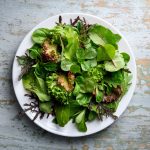 (NaturalHealth365) Spinach wilted into a summer pasta or kale tossed into a quick salad rarely feels like a major decision. Most people choose these greens for a side dish, not a long-term brain strategy. A sweeping new analysis just gave that everyday choice far more weight than anyone expected.
Scientists tracked more than 222,000 adults across multiple long-running studies. Notably, they found that leafy greens stood out from every other type of produce for one specific reason.
A massive analysis singles out one vegetable group
Published in the American Journal of Clinical Nutrition in 2026, the research combined three new prospective studies with 13 earlier cohort studies. Together, these studies followed adults 45 and older for as long as 13 years. Researchers tracked who went on to develop dementia during that time.
People eating the most fruits and vegetables overall had about 20% lower dementia risk than those eating the least. Researchers then broke that finding down by specific produce type, expecting several categories to show benefits.
Only one group held up under that closer look. Green leafy vegetables, including spinach, kale, arugula, and romaine lettuce, showed the sole statistically significant link to lower dementia risk. Each additional daily serving corresponded to roughly 18% lower risk.
Why leafy greens may stand apart from other produce
Researchers adjusted for age, sex, education, smoking status, and physical activity level. The leafy green connection held steady even after accounting for those factors, which strengthens confidence in the finding.
Leafy greens carry a distinct nutrient combination that other vegetables do not match as closely. Vitamin K, folate, lutein, beta carotene, and dietary nitrates all appear in meaningful amounts. Each has been tied to slower brain aging in prior research.
An earlier study from Rush University adds real-world texture to these numbers. Specifically, adults eating about one daily serving of leafy greens showed meaningfully slower cognitive decline over nearly five years. That gap, compared with people eating almost none, grew wider the longer researchers followed participants.
Building more organic leafy greens into daily meals
Blend a handful of spinach into something already on the menu. Spinach disappears into smoothies, pasta sauce, and scrambled eggs without changing the taste much. That invisibility makes spinach one of the easiest daily habits to build without a major diet overhaul.
Rotate through different greens to avoid getting bored. Kale, arugula, collard greens, Swiss chard, and bok choy each bring a slightly different flavor and texture to the table. Keeping a rotation going prevents the fatigue that comes from eating the same salad every day.
Choose organic leafy greens and pair them with a healthy fat. Spinach and kale both rank high on pesticide-residue testing lists for conventionally grown produce, since their soft, porous leaves absorb sprays more readily than thick-skinned vegetables. Organic versions cut that exposure while keeping the same vitamin K and nitrate content researchers measured.
Vitamin K and beta carotene also absorb better alongside olive oil, avocado, or a handful of nuts, so a simple spinach salad with olive oil dressing delivers more usable nutrition than the same greens eaten completely dry.
Brain health depends on more than diet alone
Leafy greens offer genuine, measurable support for long-term brain health, but dementia risk builds from many overlapping factors over decades. Blood sugar control, sleep quality, and chronic inflammation all shape brain aging long before memory problems ever appear.
The Alzheimer’s and Dementia Summit, hosted by Jonathan Landsman, spends real time on those additional risk factors. Functional lab testing flags early warning signs years before a standard memory screening. Sessions also cover the connection between blood sugar swings and cognitive decline, plus practical strategies for reducing chronic brain inflammation.
Family history of Alzheimer’s or dementia is reason enough to look past diet alone at what else might be driving that risk.
Click here to own the Alzheimer’s and Dementia Summit.
Sources for this article include:
The post Massive brain discovery found by eating the right kind of leafy vegetables appeared first on NaturalHealth365.
Visit Natural Health 365 Here /
Source: https://www.naturalhealth365.com/the-vegetable-tossed-in-as-an-afterthought-protects-the-aging-brain.html
Anyone can join.
Anyone can contribute.
Anyone can become informed about their world.
"United We Stand" Click Here To Create Your Personal Citizen Journalist Account Today, Be Sure To Invite Your Friends.
Before It’s News® is a community of individuals who report on what’s going on around them, from all around the world. Anyone can join. Anyone can contribute. Anyone can become informed about their world. "United We Stand" Click Here To Create Your Personal Citizen Journalist Account Today, Be Sure To Invite Your Friends.
LION'S MANE PRODUCT
Try Our Lion’s Mane WHOLE MIND Nootropic Blend 60 Capsules
Mushrooms are having a moment. One fabulous fungus in particular, lion’s mane, may help improve memory, depression and anxiety symptoms. They are also an excellent source of nutrients that show promise as a therapy for dementia, and other neurodegenerative diseases. If you’re living with anxiety or depression, you may be curious about all the therapy options out there — including the natural ones.Our Lion’s Mane WHOLE MIND Nootropic Blend has been formulated to utilize the potency of Lion’s mane but also include the benefits of four other Highly Beneficial Mushrooms. Synergistically, they work together to Build your health through improving cognitive function and immunity regardless of your age. Our Nootropic not only improves your Cognitive Function and Activates your Immune System, but it benefits growth of Essential Gut Flora, further enhancing your Vitality.

Our Formula includes: Lion’s Mane Mushrooms which Increase Brain Power through nerve growth, lessen anxiety, reduce depression, and improve concentration. Its an excellent adaptogen, promotes sleep and improves immunity. Shiitake Mushrooms which Fight cancer cells and infectious disease, boost the immune system, promotes brain function, and serves as a source of B vitamins. Maitake Mushrooms which regulate blood sugar levels of diabetics, reduce hypertension and boosts the immune system. Reishi Mushrooms which Fight inflammation, liver disease, fatigue, tumor growth and cancer. They Improve skin disorders and soothes digestive problems, stomach ulcers and leaky gut syndrome. Chaga Mushrooms which have anti-aging effects, boost immune function, improve stamina and athletic performance, even act as a natural aphrodisiac, fighting diabetes and improving liver function. Try Our Lion’s Mane WHOLE MIND Nootropic Blend 60 Capsules Today. Be 100% Satisfied or Receive a Full Money Back Guarantee. Order Yours Today by Following This Link.


| Visits: | 1,829,993,730 |
| Stories: | 8,692,674 |
Whistler Blowers, Insiders

