

Nature’s Toothpaste

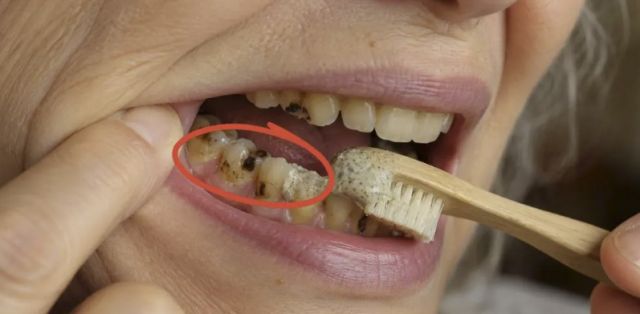
Article originally published on The Lost Herbs!
Isn’t it crazy how they keep trying to sell you their chemical-filled toothpastes, packed with fluoride and artificial ingredients, all squeezed into plastic tubes?
And they charge you more and more for them, promising healthier teeth, stronger enamel, and fewer cavities.
Yet you can still end up dealing with tooth decay, sensitive gums, and painful cavities.
And then there’s all that plastic we’re bringing into our homes. As if we didn’t already have enough of it!
But here’s something interesting.
People were cleaning their teeth thousands of years before modern toothpaste was even invented.
Crushed herbs, tree resins, aromatic spices, and natural minerals.
Some of those ingredients sound crazy today. But others might already be sitting in your kitchen cabinet!
So, what exactly did our ancestors use to keep their teeth clean?
And could you use some of those same herbs to make your own toothpaste at home?
Keep reading to find out.
Why Your Teeth Might Need More Than Just Toothpaste
You brush your teeth every day, right?
But that doesn’t mean you’re completely protected from cavities, tooth decay, bleeding gums, or bad breath.
And once these problems start, they can become painful and expensive to fix.
That’s why it’s worth paying attention to what you’re putting in your mouth.
Certain herbs contain natural compounds that can help fight bacteria associated with plaque and tooth decay, soothe irritated gums, and freshen your breath.
Think about clove, sage, peppermint, or calendula.
Our ancestors valued these plants long before modern toothpaste existed.
And while herbs can’t repair an existing cavity or replace the proven protection of fluoride toothpaste, they can offer something extra to your oral-care routine.
So why not learn how to put them to good use?
Your Gums Are Receding—And You Might Not Even Notice It
You might think your toothpaste is keeping your mouth healthy, but here’s the harsh truth: it could be slowly destroying your gums. And once they start receding, they don’t grow back. That means exposed roots, weak teeth, and—if you’re not careful—losing teeth far too soon.
The problem? Most conventional toothpastes and mouthwashes are filled with harsh chemicals that strip away your mouth’s natural defenses. Your mouth isn’t just about teeth—it has its own microbiome, just like your gut. And when that balance is thrown off, your gums suffer.
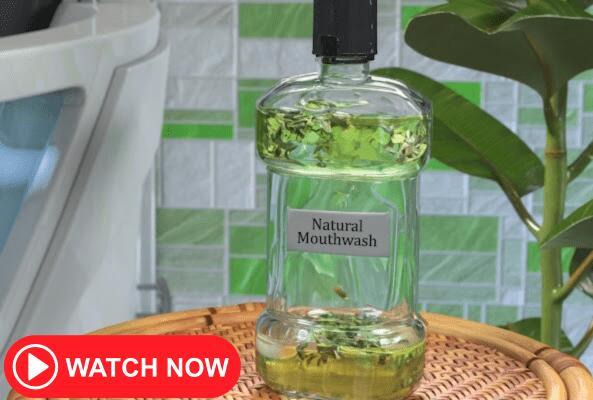
That’s why you should try making your own Gum-Strengthening Mouthwash. Unlike store-bought brands that just mask bad breath, this actually strengthens your gums, supports your oral microbiome, and protects your teeth for years to come.
And the best part? It’s easy to make. Here’s how to do it.
What Did People Use Before Toothpaste?
Long before toothpaste existed, our ancestors used plants to clean their teeth, freshen their breath, and care for their gums.
Without modern dentists to rely on, they turned to nature.
The ancient Egyptians used mint, myrrh, peppercorns, and dried iris flowers.
In India, people used ginger and aromatic herbs, while the Chinese turned to ginseng and mint.
Even the Greeks and Romans had their own natural tooth-cleaning recipes!
Not every ingredient was safe, but they knew plants had something valuable to offer their oral health.
And guess what? Some of those same herbs might already be growing in your garden!
How Did We Go From Herbs to Modern Toothpaste?
For centuries, people made their own tooth powders and pastes using ingredients from nature.
Then, in the 1800s, companies started selling ready-made toothpaste in jars and eventually tubes.
And slowly, we forgot about the herbs our ancestors had relied on for generations.
When was the last time you thought of sage or calendula as something that could benefit your mouth?
Well, you don’t need an ancient recipe to rediscover their potential.
Let me show you which herbs are worth knowing!
6 Herbs Worth Knowing for Natural Oral Care
1. Sage
You’ve probably used sage in soups or roasted dishes.
But sage also contains antimicrobial and astringent compounds, which explains its long history in traditional mouth and throat preparations.
Its extracts have shown activity against certain bacteria associated with dental plaque.
You can dry its leaves for traditional herbal rinses, and finely powdered sage can also add an herbal touch to homemade toothpaste.
2. Calendula
You might already know calendula for its soothing skin preparations.
But those bright orange flowers have another interesting use.
Calendula has traditionally helped soothe irritated tissues, and its compounds have anti-inflammatory and antimicrobial properties.
That’s why it’s worth knowing when you’re caring for your gums.
And if you already grow calendula, you have another reason to keep some dried flowers in your herbal cabinet.
Calendula is useful. But imagine having medicinal plants growing right outside your door, ready whenever you need them.
That’s exactly why Nicole created her Medicinal Garden Kit: premium seeds for 10 medicinal herbs, plus a free guide showing you how to turn them into tinctures, salves, poultices, infusions, decoctions, and more.
Instead of buying another finished remedy every time, you learn to grow the remedy yourself.
3. Clove
Here’s one your grandparents might have known.
People have traditionally turned to clove for tooth discomfort for generations.
It contains eugenol, a compound with numbing and antimicrobial properties that’s also used in certain dental materials.
Pretty impressive for a kitchen spice!
For our recipe, a tiny pinch of finely powdered clove is more than enough.
But there’s something I learned from Nicole that may be even more interesting than clove for tooth pain.
It’s the precious secret hidden inside cattails:
Next time you pass by a patch of cattails, here’s what you should do. Cut the stalk at the base and collect this gel in a jar. This gel is probably the most powerful natural anesthetic you can find. Just rub it around your gums and watch how quickly it numbs the entire area, just like the shot you get at the dentist.
That’s the kind of plant knowledge most people walk straight past because nobody ever taught them what they were looking at.
Nicole does.
4. Peppermint
Ever wondered why almost every toothpaste tastes like mint?
People were using mint to freshen their mouths long before toothpaste companies existed.
Its familiar aroma makes your breath feel fresher, and its plant compounds have shown antimicrobial activity in laboratory settings.
Plus, it makes homemade herbal toothpaste much more pleasant to use.
5. Yarrow
If you love traditional remedies, you probably know yarrow.
Herbalists have used it for centuries to care for minor wounds and irritated tissues.
Yarrow contains compounds with antimicrobial and anti-inflammatory properties, and certain extracts have shown activity against oral microorganisms.
It’s a fascinating plant for your herbal cabinet, although I’d keep it out of an everyday toothpaste until we know more about its oral safety. I source my yarrow tincture here.
6. Usnea
Ever noticed those pale green, beard-like strands hanging from trees?
That’s often usnea.
This unusual lichen contains usnic acid, a compound known for its antibacterial activity.
Usnea extracts have even been investigated for specialized oral preparations.
This lichen is specifically effective against Streptococcus mutans, the exact bacteria responsible for most cavities. While licorice fights bacteria and oil pulling reduces plaque, usnea actually kills the bacteria causing decay in the first place.
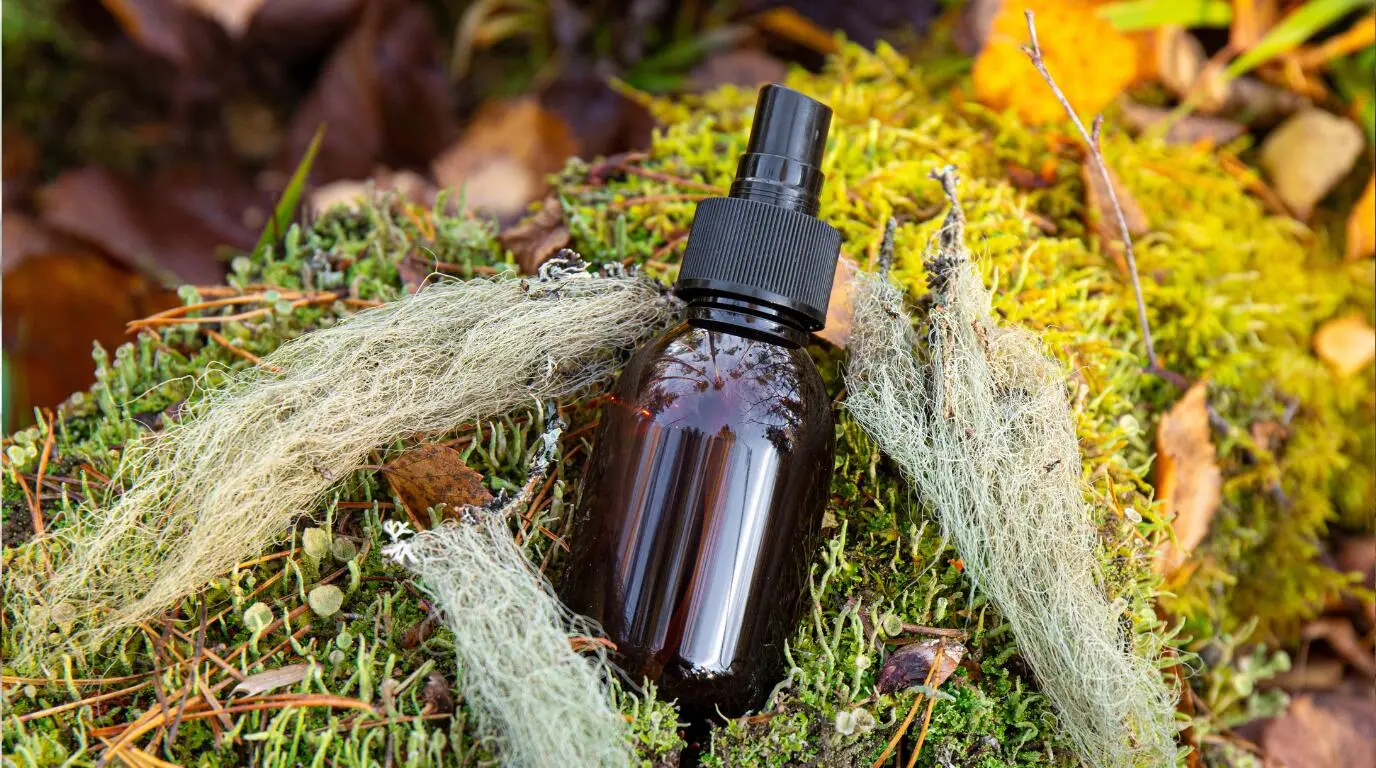
To make usnea tincture: fill a jar with dried usnea, cover with high-proof alcohol (like vodka), seal, and let sit for 4-6 weeks, shaking occasionally. Strain and transfer to a small spray bottle. Spray between your teeth and on your gums 2-3 times daily.
But if you want to skip the 6-week wait and start saving your receding gums and decaying teeth now, get it here ready-made.
How to Make Your Own Herbal Toothpaste at Home
Now for the fun part.
What if you could bring some of that forgotten herbal knowledge into your bathroom?
No complicated equipment.
No expensive ingredients.
And definitely no crushed eggshells!
For this traditional-inspired recipe, you’ll use something you probably already have:
Baking soda.
It can help remove plaque mechanically and neutralize acids in your mouth. It’s also relatively soft compared with tooth enamel, although homemade mixtures haven’t been tested for abrasivity.
We’ll combine it with coconut oil and a few familiar herbs.
If you are in a hurry, here is a clip of the recipe to show you exactly what to do. Extra details after the clip:
Bright Smile Herbal Toothpaste
You’ll need:
- 2 tablespoons baking soda
- 2 tablespoons virgin coconut oil
- ½ teaspoon very finely powdered dried sage
- ½ teaspoon very finely powdered dried calendula
- ¼ teaspoon very finely powdered dried peppermint
- A tiny pinch of very finely powdered clove
Here’s why I chose them:
Baking soda provides the cleaning base. Coconut oil gives your paste a creamy texture.
Sage and calendula bring their traditional herbal properties, peppermint adds freshness, and clove gives the mixture a little warmth.
Simple, right?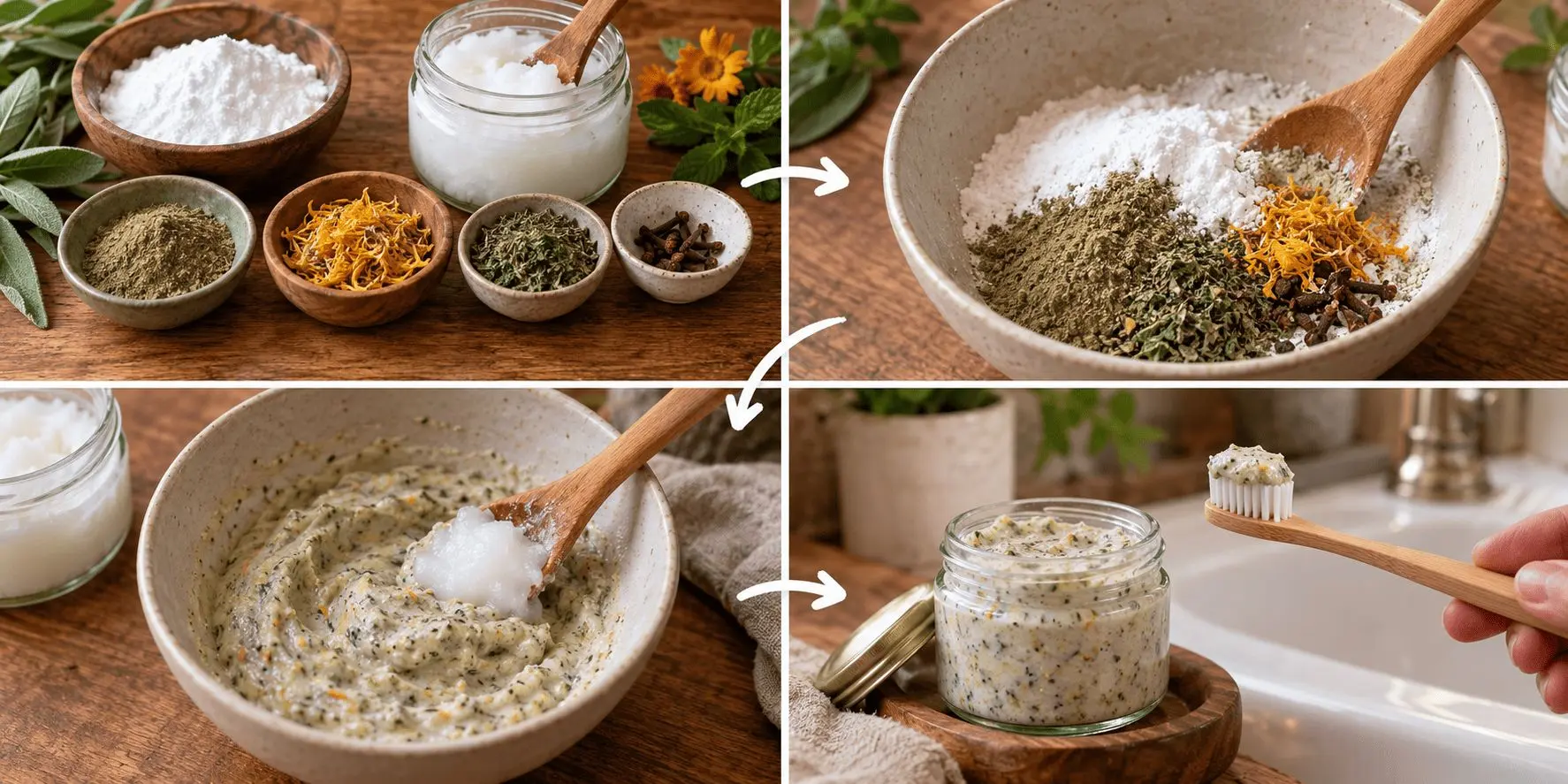
Here’s How to Make It
Step 1: Mix your dry ingredients.
Combine baking soda, powdered sage, calendula, peppermint, and clove in a clean bowl.
Step 2: Add the coconut oil.
Slowly work the coconut oil into your mixture. If it’s solid, soften it slightly first.
Step 3: Stir until smooth.
Mix until you get a soft, even paste without gritty particles.
Step 4: Transfer to a jar.
Spoon your toothpaste into a clean, dry glass jar and close the lid.
Make a small batch, keep water out of the mixture, and discard it if you notice any changes in smell, color, or texture.
And there you have it!
Your own herbal toothpaste, inspired by ingredients people have valued for generations.
How Should You Use It?
If you decide to try this homemade preparation, use a clean, dry spoon to scoop out a pea-sized amount.
Brush gently with a soft-bristled toothbrush.
The powdered herbs may contain gritty particles or irritate sensitive mouths. Avoid it if you have oral sores or allergies to any ingredients, and stop if irritation occurs.
How To Replace Any Personal Care Product
Most personal care products are loaded with chemicals you can’t pronounce. Deodorants with aluminum. Shampoos with sulfates. Lotions with parabens. Mouthwashes with artificial dyes and alcohol. Fluoride everywhere.
What if you could make all of it yourself? Here are just some of the personal care remedies you’ll find in The Forgotten Home Apothecary:
- Natural Gum Glue
- Plaque-Melting Drops
- DIY Toothpaste for Dental Infections
- Tooth & Gum Rescue Powder
- Better Than Botox
- Hair Growth Spray
- Black Drawing Salve
- Cooling Gel for Burn Relief
Right now is honestly the best time to get this book. With 2026 around the corner, prices on everything are climbing because of inflation. Books included. This is one of those things you’ll wish you grabbed while it was still affordable.
Plus, if you know someone who’s curious about natural remedies or tired of putting chemicals on their body every day—this makes an incredible gift. You could genuinely change someone’s life by introducing them to plant-based personal care. You might even save their health.
Get The Forgotten Home Apothecary here before prices go up in 2027.
Anyone can join.
Anyone can contribute.
Anyone can become informed about their world.
"United We Stand" Click Here To Create Your Personal Citizen Journalist Account Today, Be Sure To Invite Your Friends.
Before It’s News® is a community of individuals who report on what’s going on around them, from all around the world. Anyone can join. Anyone can contribute. Anyone can become informed about their world. "United We Stand" Click Here To Create Your Personal Citizen Journalist Account Today, Be Sure To Invite Your Friends.
LION'S MANE PRODUCT
Try Our Lion’s Mane WHOLE MIND Nootropic Blend 60 Capsules
Mushrooms are having a moment. One fabulous fungus in particular, lion’s mane, may help improve memory, depression and anxiety symptoms. They are also an excellent source of nutrients that show promise as a therapy for dementia, and other neurodegenerative diseases. If you’re living with anxiety or depression, you may be curious about all the therapy options out there — including the natural ones.Our Lion’s Mane WHOLE MIND Nootropic Blend has been formulated to utilize the potency of Lion’s mane but also include the benefits of four other Highly Beneficial Mushrooms. Synergistically, they work together to Build your health through improving cognitive function and immunity regardless of your age. Our Nootropic not only improves your Cognitive Function and Activates your Immune System, but it benefits growth of Essential Gut Flora, further enhancing your Vitality.
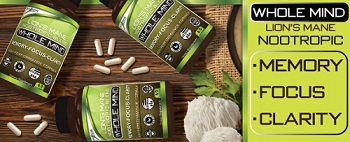
Our Formula includes: Lion’s Mane Mushrooms which Increase Brain Power through nerve growth, lessen anxiety, reduce depression, and improve concentration. Its an excellent adaptogen, promotes sleep and improves immunity. Shiitake Mushrooms which Fight cancer cells and infectious disease, boost the immune system, promotes brain function, and serves as a source of B vitamins. Maitake Mushrooms which regulate blood sugar levels of diabetics, reduce hypertension and boosts the immune system. Reishi Mushrooms which Fight inflammation, liver disease, fatigue, tumor growth and cancer. They Improve skin disorders and soothes digestive problems, stomach ulcers and leaky gut syndrome. Chaga Mushrooms which have anti-aging effects, boost immune function, improve stamina and athletic performance, even act as a natural aphrodisiac, fighting diabetes and improving liver function. Try Our Lion’s Mane WHOLE MIND Nootropic Blend 60 Capsules Today. Be 100% Satisfied or Receive a Full Money Back Guarantee. Order Yours Today by Following This Link.


| Visits: | 1,839,678,189 |
| Stories: | 8,743,529 |
Whistler Blowers, Insiders

