

The Fed’s Post-2008 Powers Are a Fiscal Time Bomb

Norbert J. Michel and Jai Kedia
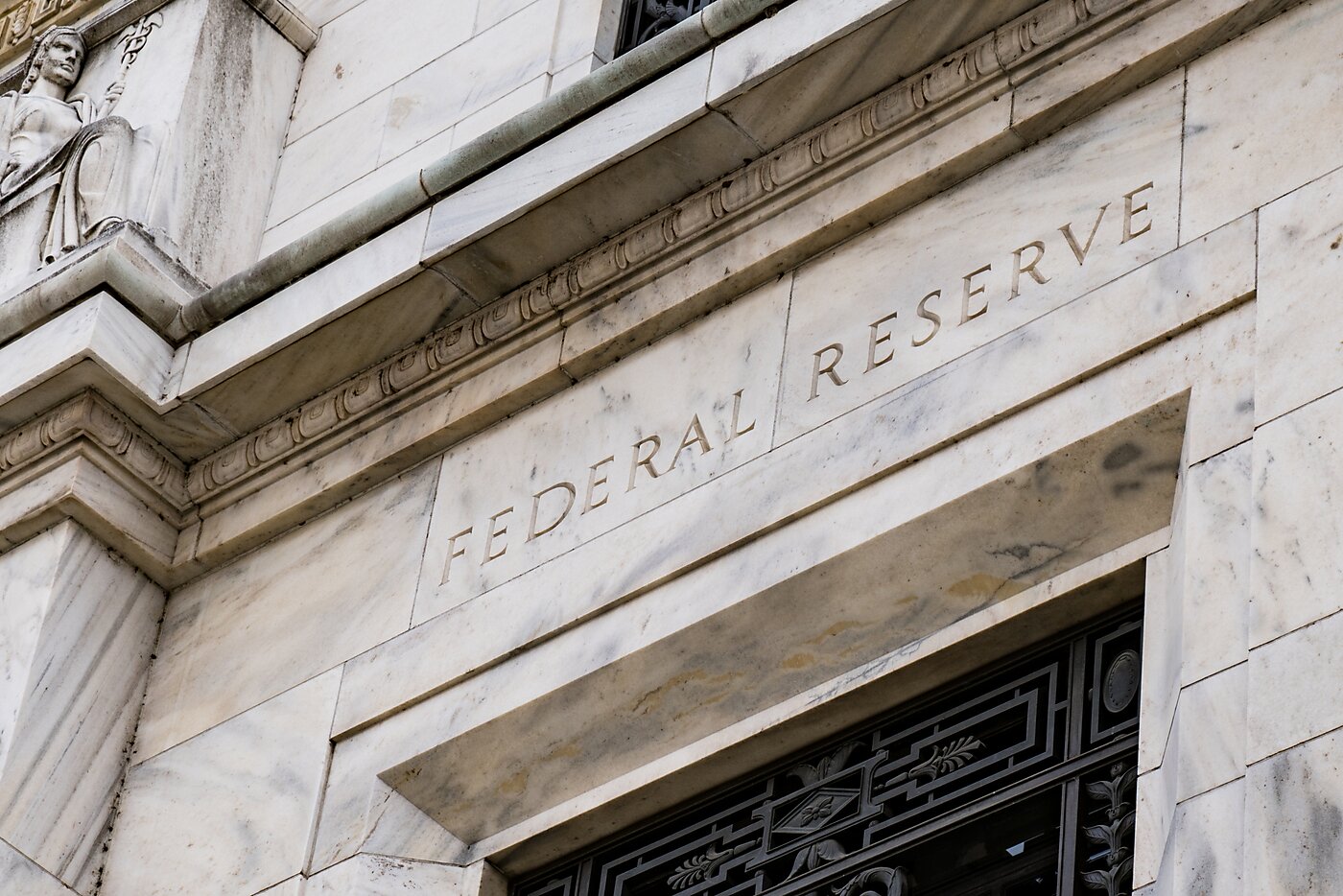
Last week, my colleague Jai Kedia and I posted a short piece titled “Cochrane Is Right About the Fed’s Predicament. Here’s the Reform Agenda.” We agreed with Cochrane that Kevin Warsh, the newly sworn in Federal Reserve chair, is facing a slew of problems, including mounting fiscal pressure.
There are a bunch of layers to that pressure, starting with the underappreciated fact that one of the reasons governments started creating central banks in the first place was to help them finance their fiscal expenditures. In modern Fed speak, especially during the second Trump administration, this issue is about the Fed’s independence to set monetary policy.
And that’s fine, but it obscures quite a bit.
First, the only thing that currently separates US monetary policy and fiscal management is an agreement between the Fed and the Treasury. It’s known as the 1951 Treasury-Fed Accord, and it ended World War II–era policy by which the Fed actively tried to hold down Treasury rates for fiscal reasons. The Fed and the Treasury came up with that agreement, which means, of course, that they can change it.
Paired with the nation’s looming fiscal problems (e.g., federal debt now exceeds 100 percent of GDP and Social Security’s pending insolvency), the Treasury-Fed Accord is even less comforting. But it’s even worse because Congress gave the Fed the authority to pay interest on reserves, a move that unwittingly allows the Fed to more easily accommodate excessive fiscal expenditures.
Prior to the 2008 crisis, the Fed could not pay interest on reserves. With the new ability to make such payments though, the Fed can buy all sorts of assets while ostensibly maintaining its monetary policy stance.
In other words, the Fed can now buy as many assets as it wants and not worry about those purchases (which create bank reserves) immediately creating high inflation. With these interest payments, the Fed pays banks to hold those reserves instead of using them to make loans in the private market (a process which would be inflationary).
All that’s bad enough, but if some courageous members of Congress get the notion, they could force the Fed to fund all kinds of projects and accommodate tons of new borrowing (i.e. buy more federal debt while Congress avoids the regular appropriations process). The Fed would not be able to legitimately warn Congress (or anyone else) that such moves would be inflationary, as it was able to do prior to the 2008 crisis. The reason for the public’s fascination with the Fed’s independence would be off the table. (Well, technically, it is already off the table.)
Now, some people might be thinking, “Only a banana republic would force its central bank to accommodate excessive fiscal expenditures financed by debt. Eventually the public will catch on, and the government won’t be able to sell more debt unless it keeps raising interest rates on those securities.” And they’d be right.
That’s precisely why the Fed has to shrink its balance sheet and stop paying interest on reserves. The first one is easy enough for the Fed to do on its own. The Fed doesn’t need Congress or anyone in the administration to do anything. It can just start slowly shedding those newly purchased Treasuries and mortgage-backed securities.
The second one is harder.
Yes, the Fed could stop paying interest on reserves once the balance sheet is sufficiently small. But Congress has to remove that temptation for future Fed officials—it must revoke the authority to pay interest on reserves. And to be safe, Congress could pair that revocation with a deadline for the Fed to shrink the balance sheet, one that gives the Fed about as much time to shed assets as it took to accumulate them.
Even better, Congress can restrict the Fed to purchasing only short-term Treasuries. Then, it can cap the Fed’s total assets at no more than 10 percent of the commercial banking sector’s total assets, the approximate share held by the Fed prior to the 2008 financial crisis.
Combined, these reforms would make it much harder for Congress to use the Fed for backdoor fiscal expenditures and for the Fed to allocate credit beyond the banking sector. That’s a baseline for how a government with limited powers should function.
This post is cross-posted from Norbert Michel’s Substack, Mind the Gap.
Source: https://www.cato.org/blog/feds-post-2008-powers-are-fiscal-time-bomb
Anyone can join.
Anyone can contribute.
Anyone can become informed about their world.
"United We Stand" Click Here To Create Your Personal Citizen Journalist Account Today, Be Sure To Invite Your Friends.
Before It’s News® is a community of individuals who report on what’s going on around them, from all around the world. Anyone can join. Anyone can contribute. Anyone can become informed about their world. "United We Stand" Click Here To Create Your Personal Citizen Journalist Account Today, Be Sure To Invite Your Friends.
LION'S MANE PRODUCT
Try Our Lion’s Mane WHOLE MIND Nootropic Blend 60 Capsules
Mushrooms are having a moment. One fabulous fungus in particular, lion’s mane, may help improve memory, depression and anxiety symptoms. They are also an excellent source of nutrients that show promise as a therapy for dementia, and other neurodegenerative diseases. If you’re living with anxiety or depression, you may be curious about all the therapy options out there — including the natural ones.Our Lion’s Mane WHOLE MIND Nootropic Blend has been formulated to utilize the potency of Lion’s mane but also include the benefits of four other Highly Beneficial Mushrooms. Synergistically, they work together to Build your health through improving cognitive function and immunity regardless of your age. Our Nootropic not only improves your Cognitive Function and Activates your Immune System, but it benefits growth of Essential Gut Flora, further enhancing your Vitality.

Our Formula includes: Lion’s Mane Mushrooms which Increase Brain Power through nerve growth, lessen anxiety, reduce depression, and improve concentration. Its an excellent adaptogen, promotes sleep and improves immunity. Shiitake Mushrooms which Fight cancer cells and infectious disease, boost the immune system, promotes brain function, and serves as a source of B vitamins. Maitake Mushrooms which regulate blood sugar levels of diabetics, reduce hypertension and boosts the immune system. Reishi Mushrooms which Fight inflammation, liver disease, fatigue, tumor growth and cancer. They Improve skin disorders and soothes digestive problems, stomach ulcers and leaky gut syndrome. Chaga Mushrooms which have anti-aging effects, boost immune function, improve stamina and athletic performance, even act as a natural aphrodisiac, fighting diabetes and improving liver function. Try Our Lion’s Mane WHOLE MIND Nootropic Blend 60 Capsules Today. Be 100% Satisfied or Receive a Full Money Back Guarantee. Order Yours Today by Following This Link.


| Visits: | 1,816,835,728 |
| Stories: | 8,663,139 |
Whistler Blowers, Insiders

