

Tourist Taxes in Europe and the Rise of Overtourism Controls: A Travel Advisor’s Field Guide

A few years ago, clients planning a European vacation asked me about the cobblestones and the best gelato. Now they call asking about QR codes for Venice, whether their Barcelona apartment is still legal, why their cruise stop in Cannes got swapped for a sea day, and what an ETIAS is. None of these questions were part of my workflow a short time ago. All of them are normal now.
If you are planning a trip to Europe, you have stepped into an environment where the rules are being rewritten faster than the guidebooks can keep up. After many years of booking European travel, I have not seen a wave of regulatory change like this one. It is not catastrophic, it is not making Europe unaffordable, and it is not a reason to skip the trip. But it is the difference between a smooth arrival and a fine, between a confirmed cabin and a substituted port, between a great Airbnb and a canceled booking the week before departure. So let me walk you through what is actually happening, in the order I think about it when I am building a trip.
Why Europe Is Tightening the Screws on Tourism
Europe has roughly the same physical footprint it had a generation ago, but global tourist arrivals have grown by approximately sixty times since the middle of the last century. When you funnel that into the same hundred or so postcard cities, the math breaks. Venice has more tourist beds than residents. Amsterdam, with under a million people living there, has been attracting more than twenty million annual visitors. Cities that have spent decades marketing themselves abroad are now, somewhat awkwardly, marketing themselves to stay home.
The local response splits along three lines: charging people money to dampen demand and fund maintenance, capping the number of visitors who can enter at any given time, and limiting the types of places they can stay. These three tools (taxes, caps, and accommodation rules) show up in different combinations in every destination I book, and you will see all of them in this post.
It is also worth saying that this is not anti-tourism. Tourism is a substantial chunk of the European economy, and most of these cities cannot afford to lose it. What they want is to slow the growth, smooth the peaks, and steer visitors toward staying longer and spending more thoughtfully. As a traveler, that is actually good news, because the cities that get this right are nicer to visit.
The Three Buckets of Cost You Should Be Thinking About
When I quote a European trip, I now break the “extras” into three categories. Lumping them together creates exactly the kind of checkout-counter surprise I want clients to avoid.
Accommodation taxes. A nightly fee added to your hotel, B&B, or short-term rental bill. Sometimes a flat amount per person, increasingly a percentage of the room rate. This is the oldest and most familiar model, and it is climbing in almost every major European destination. On a high-end stay in Amsterdam, the accommodation tax alone can rival the daily breakfast charge.
Entry or access fees. Charges to set foot in a city, a national park, or a specific monument, regardless of where you are sleeping. Venice pioneered the city-level version. National parks across the Canary Islands have rolled out hiking levies. The Trevi Fountain in Rome now has a small ticketed close-up zone. Expect more of these.
Platform-level changes that do not look like fees but cost you anyway. Short-term rental bans, cruise ship size limits, daily passenger caps, and mandatory shore-power requirements. None of these show up on an invoice as a “fee,” but they constrain what you can book, and they often nudge you toward more expensive options. The Spanish short-term rental crackdown has already removed tens of thousands of listings. That is not a tax, but it absolutely affects the budget.
Keep these three buckets in mind as we go city by city. Most destinations are running at least two at once.
The City-by-City Picture
I am going to focus on the destinations my clients actually visit. Smaller cities are introducing similar rules, but if you are headed to Europe for the first or fifth time, these are the ones that drive most itineraries.
Venice
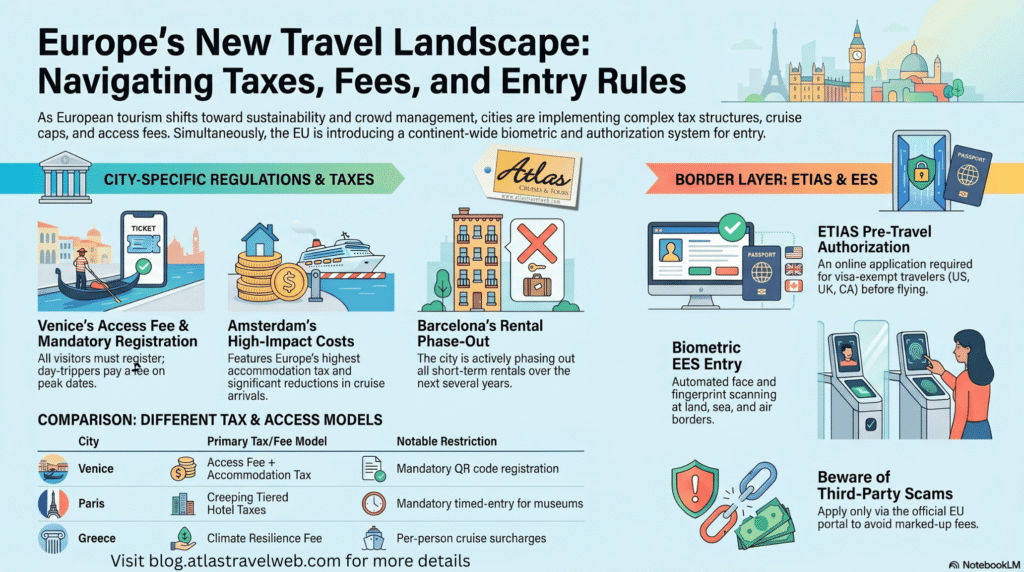
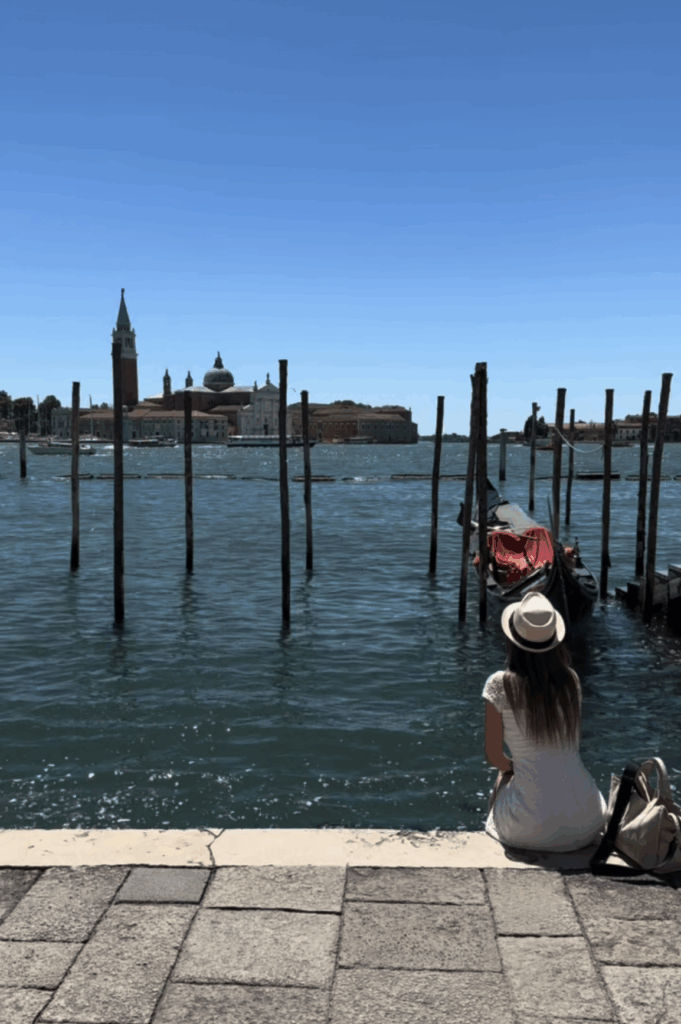
Venice runs the most talked-about system in Europe. If you are staying overnight on one of our Italy tours, you pay an accommodation tax through your hotel, as you always have. If you are arriving for the day (cruise passenger, train day-trip from Florence, regional car visit), you must pre-register on the city’s official portal and pay an access fee on peak days. The fee window covers Friday through Sunday for several spring and early summer months, plus Italian holidays and a few stretches around them. The active window each day runs from morning until late afternoon. Outside those hours, no fee.
Two things consistently catch travelers by surprise. First: even if you are an overnight guest and therefore exempt, you still need to register. The exemption is automatic on the cost side, not on the paperwork side. Second: the fee is cheaper if you book ahead, more expensive if you wait. There is also a published fine for being caught inside the fee zone without a valid registration. These QR codes do get checked at the train station and other entry points.
If you are on a cruise that calls in Venice during peak season, your shore time falls almost squarely inside the fee window. Some cruise lines are now handling this for guests. Some are not. I never assume.
Amsterdam
Amsterdam currently runs the highest accommodation tax in Europe. It is a percentage of the room rate, not a flat amount, which means it scales with the price of your hotel. On a mid-range stay, you are looking at meaningful money over a week. On a luxury stay, it is the kind of figure that gets noticed.
The cruise picture in Amsterdam is more dramatic. The city has dropped its annual cruise ship arrivals by roughly half, capped what does come in, charges a per-passenger day-visit fee, and is openly debating whether to relocate or eventually close its central cruise terminal. River cruise volumes are also being cut substantially over the next several seasons. If you have done Amsterdam by river cruise before, the calendar is going to feel different the next time you go. We track these changes closely across our cruise vacations and river cruise itineraries so clients are not caught flat-footed.
The city has also banned guided tours through parts of the red-light district, restricted bar hours in some neighborhoods, and run a marketing campaign actively discouraging certain types of visitors. None of this affects a thoughtful, culturally engaged traveler. All of it affects a stag-party crowd, which is exactly the point.
Barcelona and Wider Spain
Barcelona doubled its tourist tax recently, with the highest rates applying to short-term rentals. Hotel guests pay a tiered amount depending on the property’s category. Cruise passengers pay a smaller separate charge.
The bigger story in Barcelona is the announced phase-out of all short-term rentals over the next several years. If you have a favorite Airbnb in the Gothic Quarter, that listing has a shelf life. Spain has been removing illegal short-term rental listings from major booking platforms in the tens of thousands. Enforcement is real, and “I booked it on a major platform” is no longer a guarantee that your reservation is legal.
On the cruise side, Barcelona is consolidating its terminals and reducing the daily passenger ceiling. Day visitors arriving by ship will increasingly be tendered to a more distant pier, which adds time to every shore excursion.
Beyond Barcelona, Valencia is rolling out its own accommodation tax and limiting mega-cruise ships. Mallorca’s Palma has agreed to a hard cap on cruise arrivals per day, with limits on how many of those can be the largest vessels. Ibiza has tightened its simultaneous docking rules. The Canary Islands have introduced a hiking eco-tax for the most popular trails on Tenerife, with rates that vary depending on whether you are guided or not. If you are weighing a Spain trip, our Spain tours team can help you sort out which destinations are most affected and which alternatives are worth a look.

Rome and the Rest of Italy
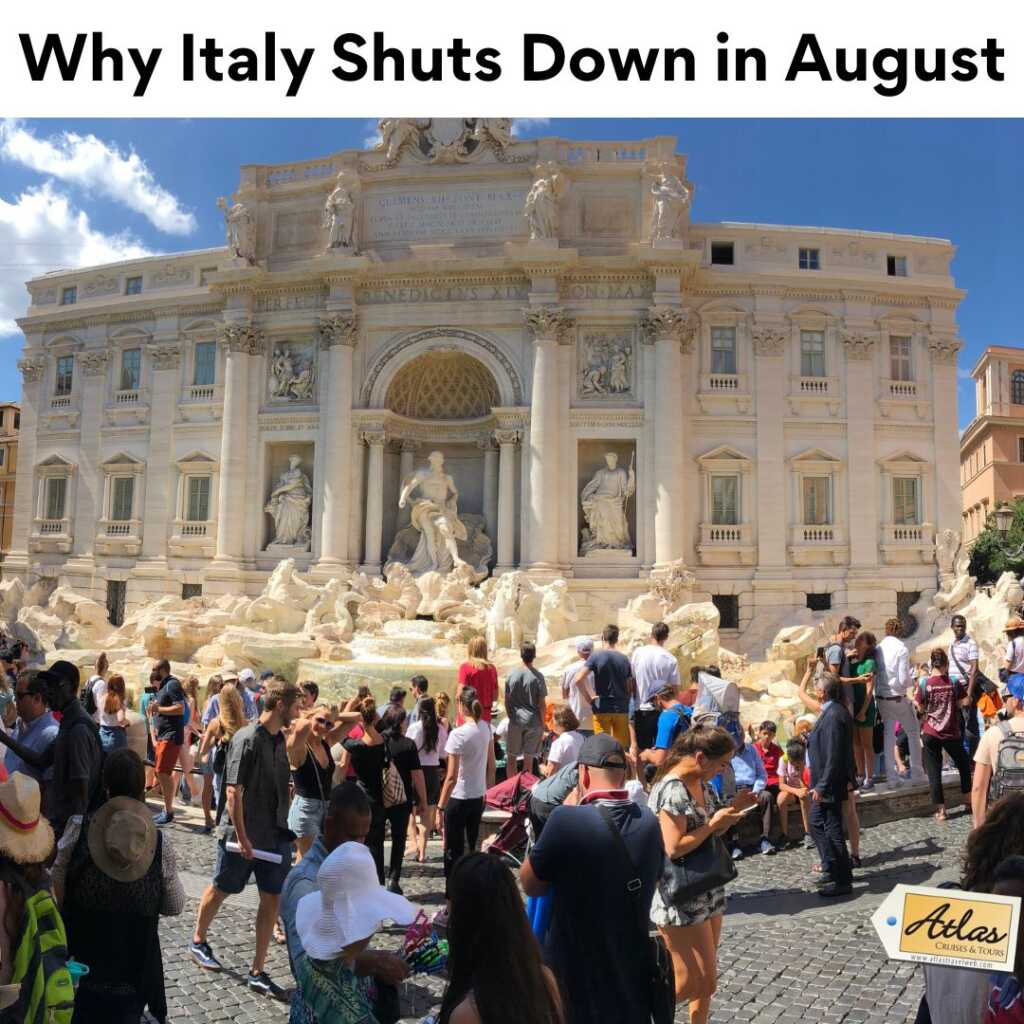
Italian cities each set their own accommodation taxes, so the rate depends on the property’s star rating and the specific municipality. Rome is moderate by European standards. Florence is similar. Milan jumped sharply because of its Olympics-related decree, and four- and five-star hotels there charge a noticeably higher per-person nightly fee than they did just a season or two ago. That elevated rate was originally tied to the Olympic year; whether it gets unwound or stays as a new floor is something I am watching. (If you are weighing summer dates for Italy, it is worth knowing that a good chunk of the country effectively shuts down in August, which can compound the crowd issue in the cities that stay open.)
The Trevi Fountain story is one I flag for clients heading to Rome. There is now a small ticketed charge to access the close-up viewing area, with locals exempt. You can still see the fountain from a comfortable distance for free. Honestly, given the crush at peak hours, I think most visitors will appreciate the structure once they experience it.
Portofino added behavior rules a couple of summers ago that remain in force during peak times: no drinking alcohol in the main streets and squares, no sitting on the ground, no being barefoot or shirtless. Fines run into the hundreds of euros. The local police commander has been quoted saying tourists rarely complain when the rules are explained. My experience matches that.
Paris
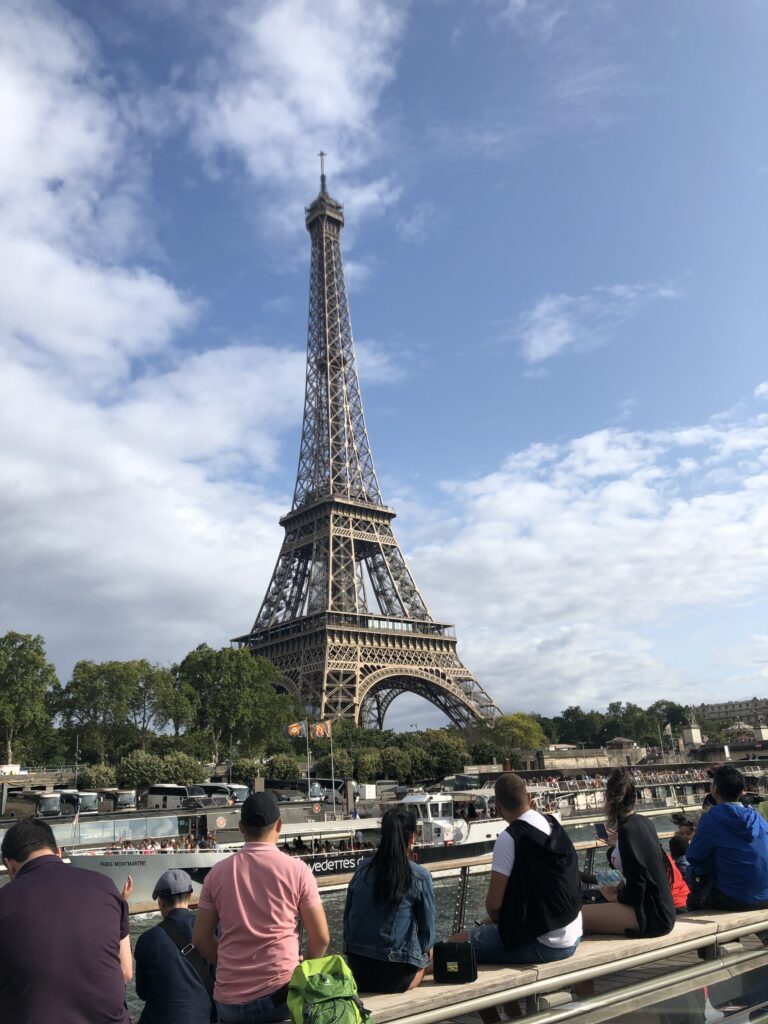
Paris has long had an accommodation tax but the rates have crept up across the city’s hotel categories. Combined regional and municipal fees can stack on luxury stays. Per night this is rarely the line item that derails a trip, but on a longer stay at a higher-end property, it adds up.
The other Paris factor is not a tax at all but a capacity issue. The Louvre had to close briefly because staff walked off the job over crowd conditions. Timed-entry tickets are now effectively non-negotiable for the major museums. If your travel advisor is not booking these the moment your dates are firm, you are going to have a more frustrating Paris than you need to have. For clients with flexibility, I often steer them toward the hidden charms of Paris in the fall, which is a categorically different experience than a high-summer visit. Either way, our France tours can be tailored around the timed-entry windows so you are not standing in line on your trip.
Edinburgh and the UK
Edinburgh is launching the first city-level accommodation tax in the UK. It is a percentage of the pre-VAT room rate, capped at the first several consecutive nights of any stay. Importantly, the levy applies to bookings made and paid for after a specific cutoff, not to the date of stay alone. That means trips already on the calendar can fall under it depending on when the deposit was put down. Always confirm with the property.
England, Wales, and Northern Ireland do not have an equivalent at the city level yet. London has discussed it for years. I would not be surprised to see something within a few seasons.
Greece
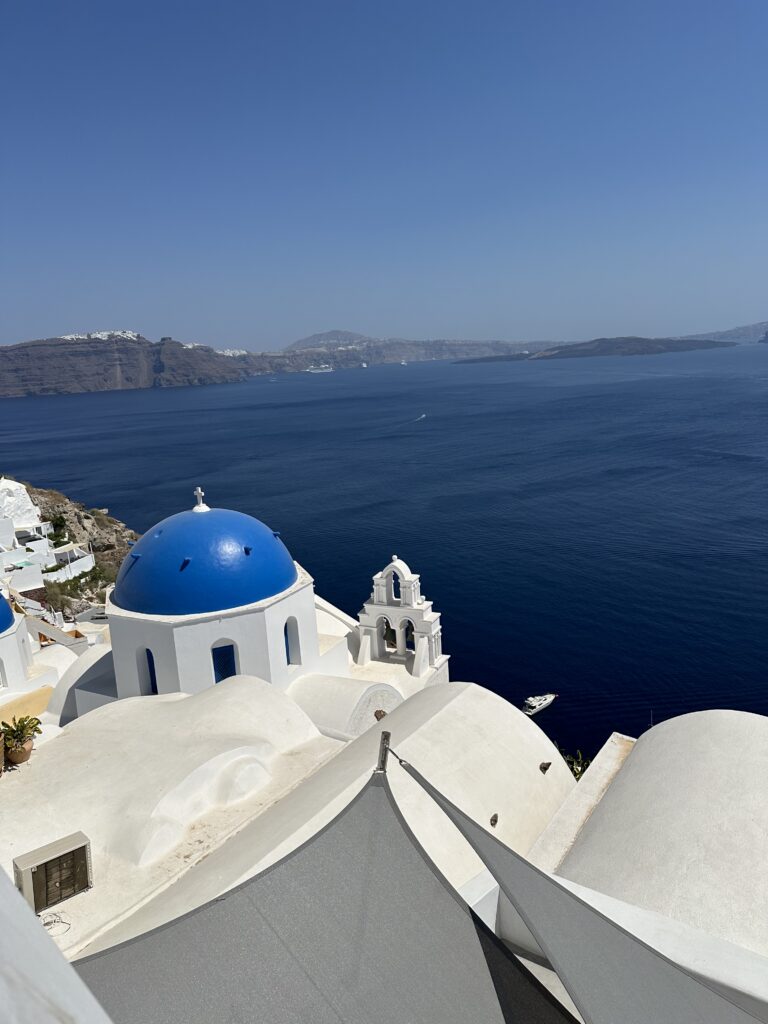
Greece replaced its older accommodation tax with what the government is calling a climate resilience fee. The amount depends on the hotel category and the season, with higher rates in high season. On top of that, cruise passengers landing at Santorini and Mykonos in high season pay a separate per-person surcharge. Santorini is also enforcing a daily cruise visitor cap.
For my island-hopping clients, the math has shifted enough that some are choosing to spend more time on the larger Cycladic islands and treat Santorini as a single evening rather than the centerpiece. Sunsets are not exclusive to one caldera, and the smaller islands have been charming travelers for centuries. Our Greece tours include itineraries that route around the busiest spots without giving up the parts that make Greece worth flying for.
Norway
Norway recently authorized municipalities to impose an overnight tax in areas heavily impacted by tourism. Each town decides whether to apply it. If you are doing the fjords, check town by town when budgeting. Norway is also pushing aggressively on cruise emissions, with phased zero-emission requirements for ships entering the fjords. That is going to reshape which cruise lines can call where, and is one of the reasons some of my fjord-bound clients are choosing the smaller, newer-fleet operators.
Cities You Probably Are Not Watching
A handful of destinations have introduced or raised fees recently that fly under most travelers’ radar. Bucharest now has a flat per-night accommodation fee. Brussels raised its existing nightly rate. Vienna is moving from a lower percentage to a higher one in phases. The tiny windmill village of Zaanse Schans, just outside Amsterdam, has rolled out a per-person entry fee aimed at thinning out a daily flood of visitors that dwarfs its actual population. A couple of Lithuanian cities doubled their per-night fee. None of these will derail a trip, but if you are on a multi-city itinerary, the small charges add up faster than you expect.
The Cruise Question
If a meaningful share of my clients did not travel by cruise, I would put this in a smaller section. Because so many do, it gets its own. The full picture of what we book sits on our cruise vacations page, but the overview below is what every cruise client should understand before they sail.
The Mediterranean cruise map is being redrawn. Cannes has banned ships above a fairly low passenger threshold and capped daily disembarkations, which means most major cruise lines either tender from offshore or skip the port entirely in favor of nearby alternatives. Nice has set a hard annual cap on cruise calls. Villefranche-sur-Mer has restricted ships above its own threshold. Dubrovnik holds firm on a limit of two ships at any given moment and a peak number of simultaneous Old Town visitors. Bordeaux is openly studying an outright ban.
What this means in practice for cruise clients:
- Itineraries quietly change after booking. The brochure may show one port and the actual sailing may substitute another. This has always happened occasionally; it now happens frequently enough that I confirm port calls at the time of booking and again about two months out.
- Smaller ships are filling earlier. Lines that fall under the size thresholds (the more boutique-end operators) are selling out months earlier than they used to because they keep their access to restricted ports.
- Tendering is more common. Even ports that still admit large vessels are shifting them to outer piers. Bring expectations into line: a Cannes or a Barcelona shore day starts with a longer transfer than it used to.
- Shoulder seasons hit different. Some of these caps either do not apply or apply more loosely outside peak summer months. Early-fall Mediterranean and late-spring Northern Europe sailings dodge a lot of friction that a high-summer sailing runs straight into. We get into this in more depth in our guide to the best time to travel to Europe.
If you are working with an advisor on a cruise, ask specifically about port-call confirmation and substitution policies. Not every line handles changes the same way.
The Border Layer: ETIAS and EES
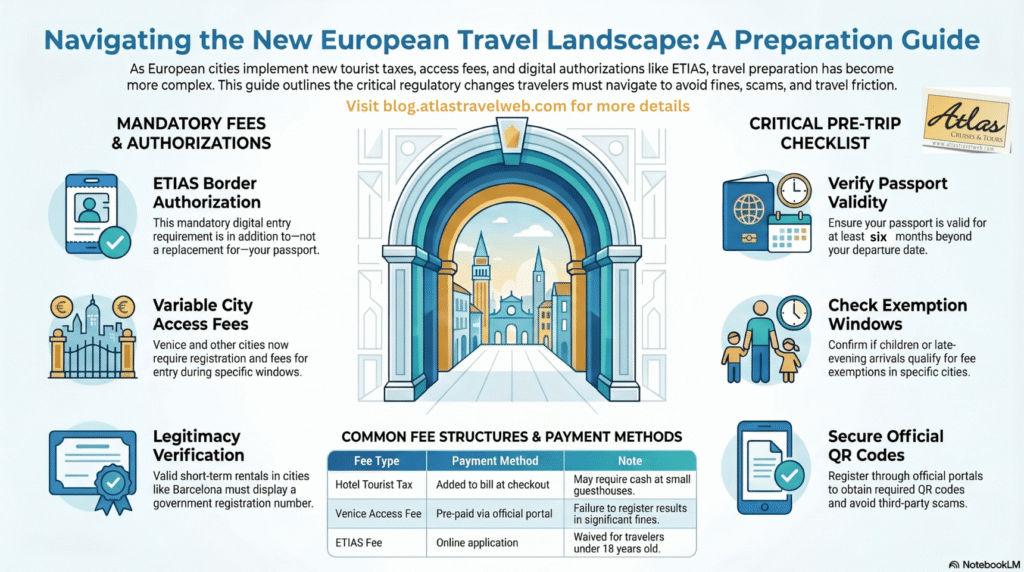
Sitting underneath all the city-level rules is a continent-wide change in how travelers enter Europe. The European Union is launching a pre-travel authorization called ETIAS (the European Travel Information and Authorisation System), which Americans, Canadians, British, Australians, and citizens of several dozen other visa-exempt countries will need to complete before flying. We have a deeper walkthrough of this on the blog: New EU travel rules: what you need to know about EES and ETIAS. The summary below covers the essentials.
The basics, as they currently stand:
- It is an online application, not a visa. It links to your passport.
- The fee is modest. Travelers under eighteen and over seventy are exempt from the fee.
- Approval is usually within minutes. Allow up to thirty days to be safe.
- Validity is multi-year, or until your passport expires.
- It applies to short-stay travel (the standard ninety-days-in-any-one-eighty-day rule). It does not give you the right to work.
- Ireland is not part of the system. Most of mainland Europe is.
A separate system called EES (the Entry/Exit System) is the biometric border tracker that ETIAS sits on top of. EES has rolled out at land, sea, and air entry points across Europe. If you have traveled recently and noticed automated gates scanning your face and fingerprints rather than a human stamping your passport, that was EES.
The single most important piece of advice I give clients about ETIAS: apply through the official EU portal only. A cottage industry of lookalike sites is already up and running, charging marked-up fees for what is a straightforward government application. When the portal goes live, I will be linking my clients directly to the official URL.
If you are traveling through both the UK and continental Europe on the same trip, you need both authorizations. The UK runs its own program, separate from ETIAS, with its own fee.
How I Build a Trip Around All of This
This is the part of the post I think most travelers actually need, and that the round-up articles tend to skip. Here is how I work through a European booking, knowing what I now know.
Quote the taxes upfront. I add a specific “destination taxes and fees” line to every estimate. On a mid-range nine-night trip across two or three cities, this line is rarely under a few hundred dollars for a couple. Putting it in the quote at the planning stage ends the awkward checkout conversation before it starts.
Verify short-term rental legality before paying. In Spain, I will not book a short-term rental without confirming the listing has a valid registration. Other cities are heading in the same direction. A great-looking apartment that has not been re-registered can be canceled out from under a guest with little notice.
Pre-register Venice the day the dates lock. This is free for overnight guests and locks in the lower rate for day-trippers. There is no reason to leave it to the week of departure.
Book timed-entry attractions early. The Louvre, the Vatican Museums, the Alhambra, the Anne Frank House, Sagrada Familia, the Uffizi. None of these are walk-up attractions anymore. The earlier the dates are firm, the better the time slots available.
Confirm cruise port calls at booking and again before final payment. Substitutions happen. I want clients to know about them while there is still time to weigh options.
Apply for ETIAS the day the portal opens. No reason to delay, no reason to overpay through a third-party site.
Build itineraries around shoulder season when the trip is flexible. The same Italy in early autumn is a fundamentally different experience (and a meaningfully cheaper one, fees included) than the same Italy at the height of summer. We have written before about the case for Europe in spring for similar reasons.
Travel insurance: read the fine print. Most policies do not specifically reimburse tourist taxes if a covered cancellation occurs. A few do bundle them with prepaid expenses. If the trip is a major one, ask the question.
Frequently Asked Questions
These are the questions I get from real clients, and a few I wish more clients asked.
At hotels and reputable booking platforms, it is normally added at checkout and clearly labeled. At smaller guesthouses, especially in Portugal and parts of Italy, it may be requested in cash on arrival. Either way, it is a real charge from the local government, not the property pocketing extra.
At a hotel, you cannot refuse the way you might refuse a corkage fee. The property is being collected for the municipality and is required by law to do so. For city access fees like Venice’s, refusing or simply not registering exposes you to a published fine that is many times the cost of the fee itself.
Hotel-collected taxes are typically refunded along with the room charge under the property’s standard cancellation policy. City access fees often have their own refund window through the booking portal. Some have a same-day cancellation cutoff. Travel insurance treatment varies; do not assume.
Exemptions for kids vary by city and even by tax. Venice exempts children under fourteen from its access fee. Barcelona exempts under-seventeens from the city’s tourist tax. Many Italian municipalities exempt under-tens. ETIAS waives the fee for travelers under eighteen but still requires the application. There is no universal rule. Always confirm at the property.
Generally, no, because the fee is triggered by actual disembarkation. For pre-paid systems like Venice’s, there is usually a refund pathway through the booking portal if you cancel by a deadline. Cruise lines typically handle this for guests on shore excursions they sold; they may not handle it for independent day visits you registered yourself.
The fee window each active day runs from morning until late afternoon. If you arrive after the window closes and leave before it opens, you do not need to pay. You may still want to register an exemption depending on how the system is operating that season.
No. ETIAS is in addition to your passport, not a substitute for it. Your passport still needs to be valid, and most border officials advise at least three months of validity beyond your planned departure from Europe.
That depends on the listing and the city. In Barcelona and several other Spanish cities, short-term rental rules are tightening rapidly. Reputable platforms now display registration numbers on legitimate listings. If a listing does not show one and the host is evasive about it, walk away.
Accommodation taxes only apply when you are paying for accommodation. City access fees like Venice’s apply to anyone entering the fee zone during the fee window, with exemptions for people staying with relatives in some cases. ETIAS applies to your border crossing regardless of where you are sleeping.
A good one will at least flag everything you need to do, and will handle as much as the booking model allows. Some pieces (ETIAS, Venice day-tripper registration for independent travel) are by design completed by the traveler. The advisor’s job is to make sure nothing is missed. If you would like one of our Atlas advisors to walk through a specific trip with you, you can reach us at 1-800-942-3301.
When the Help of an Advisor Actually Matters
I am not going to pretend every European trip needs a travel advisor. A weekend in Lisbon or a week in a single Greek island is generally fine to book yourself. Where the value of a professional shows up is on multi-city itineraries, group travel, cruise bookings that cross borders, and any trip where the rules in play are changing season to season.
The fees themselves are not what make a great trip into a frustrating one. The friction does. The QR code that did not get registered. The Airbnb that got delisted. The cruise port that got swapped. The timed entry that sold out. The ETIAS application went to a scam site. None of these are end-of-the-world problem. All of them are easier to avoid than to fix.
If you have a European trip on your wish list, the time to start the conversation is when you have rough dates. The cities are still adjusting their rules. The cruise lines are still publishing schedules with caveats. The booking windows are tighter than they used to be. A little planning early goes a long way later, and those are the trips I most enjoy putting together.
Talk to an Atlas Travel Advisor
Our advisors at Atlas Cruises & Tours book European trips every day, which means we are watching these changes in real time. We will sort the QR registrations, flag the cruise port substitutions, point you at legitimate accommodations, and quote a trip that includes the taxes upfront so nothing surprises you at checkout.
Call us at 1-800-942-3301 (Monday through Friday, 9 AM to 6 PM EST; Saturday, 10 AM to 2 PM EST). Se habla español. Or reach us through our contact page, and we will get back to you.
You can also start by browsing our Europe tours, Italy tours, France tours, Greece tours, Spain tours, Christmas market tours, or our full lineup of European cruise vacations and river cruises.
No booking fees. Real human advisors. Decades of experience helping travelers navigate exactly the kind of moving target that European travel has become.
The post Tourist Taxes in Europe and the Rise of Overtourism Controls: A Travel Advisor’s Field Guide appeared first on The Traveler’s Atlas.
Source: https://blog.atlastravelweb.com/destinations/europe-travel/europe-tourist-taxes-overtourism-guide/
Anyone can join.
Anyone can contribute.
Anyone can become informed about their world.
"United We Stand" Click Here To Create Your Personal Citizen Journalist Account Today, Be Sure To Invite Your Friends.
Before It’s News® is a community of individuals who report on what’s going on around them, from all around the world. Anyone can join. Anyone can contribute. Anyone can become informed about their world. "United We Stand" Click Here To Create Your Personal Citizen Journalist Account Today, Be Sure To Invite Your Friends.
LION'S MANE PRODUCT
Try Our Lion’s Mane WHOLE MIND Nootropic Blend 60 Capsules
Mushrooms are having a moment. One fabulous fungus in particular, lion’s mane, may help improve memory, depression and anxiety symptoms. They are also an excellent source of nutrients that show promise as a therapy for dementia, and other neurodegenerative diseases. If you’re living with anxiety or depression, you may be curious about all the therapy options out there — including the natural ones.Our Lion’s Mane WHOLE MIND Nootropic Blend has been formulated to utilize the potency of Lion’s mane but also include the benefits of four other Highly Beneficial Mushrooms. Synergistically, they work together to Build your health through improving cognitive function and immunity regardless of your age. Our Nootropic not only improves your Cognitive Function and Activates your Immune System, but it benefits growth of Essential Gut Flora, further enhancing your Vitality.

Our Formula includes: Lion’s Mane Mushrooms which Increase Brain Power through nerve growth, lessen anxiety, reduce depression, and improve concentration. Its an excellent adaptogen, promotes sleep and improves immunity. Shiitake Mushrooms which Fight cancer cells and infectious disease, boost the immune system, promotes brain function, and serves as a source of B vitamins. Maitake Mushrooms which regulate blood sugar levels of diabetics, reduce hypertension and boosts the immune system. Reishi Mushrooms which Fight inflammation, liver disease, fatigue, tumor growth and cancer. They Improve skin disorders and soothes digestive problems, stomach ulcers and leaky gut syndrome. Chaga Mushrooms which have anti-aging effects, boost immune function, improve stamina and athletic performance, even act as a natural aphrodisiac, fighting diabetes and improving liver function. Try Our Lion’s Mane WHOLE MIND Nootropic Blend 60 Capsules Today. Be 100% Satisfied or Receive a Full Money Back Guarantee. Order Yours Today by Following This Link.


| Visits: | 1,816,070,258 |
| Stories: | 8,661,407 |
Whistler Blowers, Insiders

