

Topped ramen: Mayo Clinic flags ramen risks, exposing a hidden prison health crisis

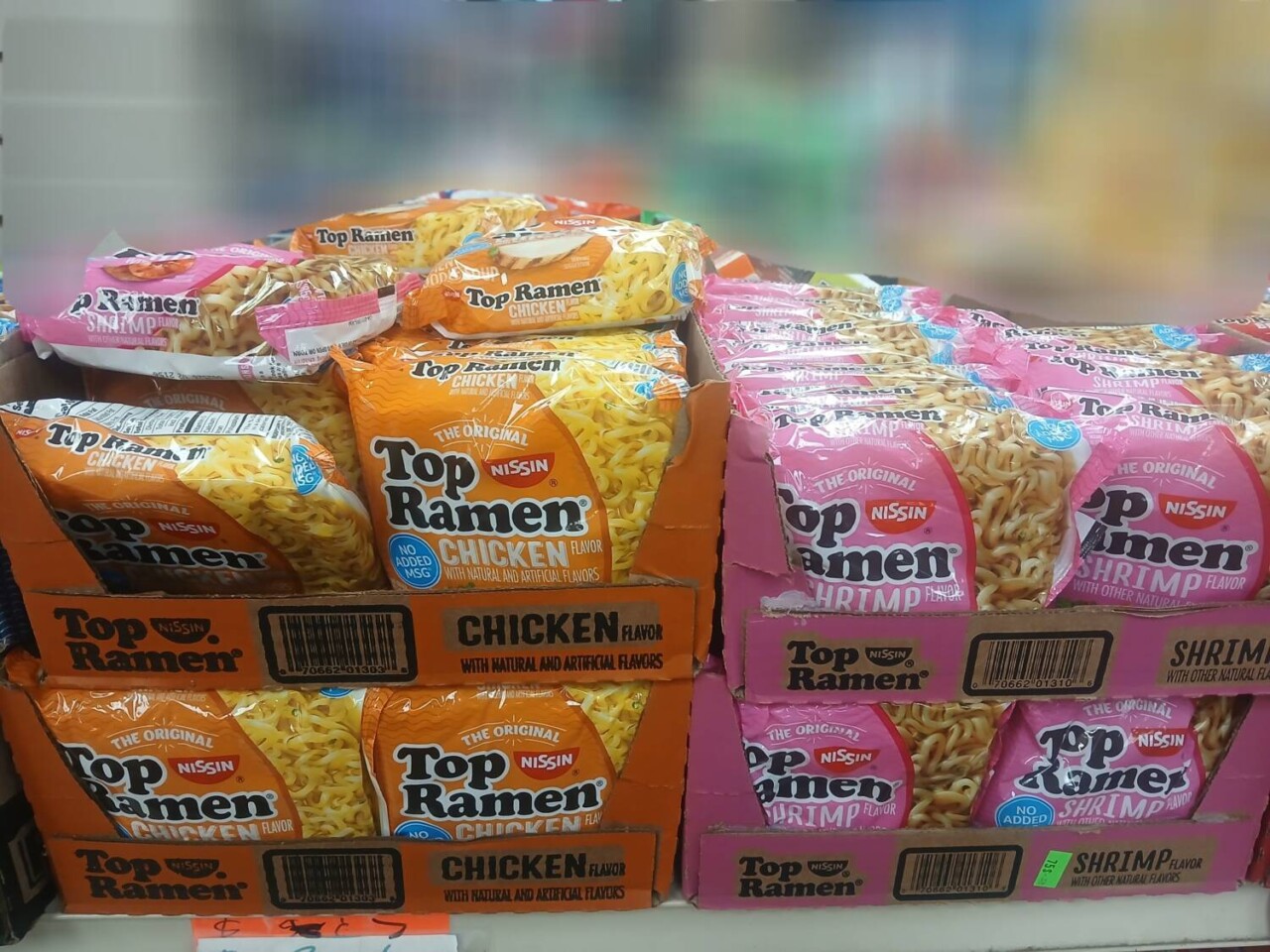
When prison food fails, ramen becomes survival – at the cost of metabolic syndrome and shortened life expectancy.
by Tabari Morris
What the Mayo Clinic study found
Researchers reported that people who consumed instant noodles several times a week were more likely to develop metabolic syndrome, heart disease and cancer, which were linked to high blood pressure, cholesterol and body fats. The research emphasized that the ultra-processed starch and extremely high sodium content of ramen noodles, especially when most of the broth is consumed, are major contributors to these health risks.
The study revealed that individuals consuming ramen three or more times a week, especially men less than 70 years old and those who consumed alcohol, were at a considerably increased risk of mortality compared to moderate ramen consumers. Children who consumed only two servings of instant noodles per week were even found to have increased levels of metabolic syndrome.
Why this matters outside prison
Instant ramen is one of the cheapest, most time-efficient food options that can be found in most grocery stores, dollar stores and gas stations, making it a staple in many low-income homes, college dorms and food deserts. To many families, ramen is not just a comfort food, but a survival food, so any connection between the consumption of ramen and long-term disease is of great consequence to these communities that are already disadvantaged in terms of health outcomes.
Nutrition experts point out that the majority of pre-packaged ramen noodles contain a significant portion of an individual’s daily required sodium intake in just one package. In addition to that, these packages contain very little fibers and whole foods. This can ultimately lead to hypertension, diabetes and heart diseases, which already plague Black, Brown and poor communities.
Why it’s an emergency behind bars
Within the walls of U.S. prisons and jails, instant ramen is not only a meal, it is a form of currency, comfort, and at times a lifeline when the quality and quantity of state-provided meals are worse than usual. Research and first-hand evidence indicate that those incarcerated make use of the commissary ramen to supplement the small and nutritionally poor meals served on the tray to create “spreads.”
At the same time, the rates of chronic disease are far higher behind bars. High blood pressure, diabetes and heart disease are described as “nearly as common as ramen packets on the tier.” The connection to the metabolic syndrome and premature death that ramen use can create means that the product that satisfies hunger in prison may be contributing to the disease that contributes to the premature deaths of those in prison.
What CDCR and prisons are doing now
The California Department of Corrections and Rehabilitation (CDCR) is experimenting with new meal programs such as vegetarian, plant-based, kosher and religious meat diets due to health-related and religious rights lawsuits. Additionally, several CDCR facilities have worked with staff and incarcerated people to develop food-related events such as a hummus challenge at the Correctional Training Facility in Soledad to encourage healthier foods and more creative ways to serve plant-based foods. Which again is not related to the ramen issue because they are not using noodles in the meal substitutions.
On a national scale, advocates and entrepreneurs have begun to promote lower-sodium, higher-quality ramen noodles in commissaries, seeking to reduce sodium content while improving nutritional value while acknowledging the importance of ramen in the prison economy. Nutrition analysis of federal prison menus has suggested that healthier ramen options can replace traditional instant noodles in federal prisons, providing lower sodium content and healthier fats.
What’s still missing for incarcerated people
Despite all this, the vast majority of people in prison are still only offered a handful of options: state meals that they often say are inedible, and a commissary that is dominated by salty, ultra-processed foods like the typical ramen. People in prison do not get a say in what is provided, how it is prepared, or how research like this on the ramen is used, even though they are the ones whose bodies are on the line.
Legal cases show that when incarcerated individuals try to assert dietary needs based on religion or health, they can be punished or removed from programs for something as small as buying meat-flavored instant ramen at the canteen This phenomenon brings to light a larger issue: The institution offers unhealthy food and yet seeks to discipline those in prison for seeking ways to circumvent the inflexible and under-resourced food systems.
Immediate steps prisons could take
For instance, several options for immediate action that could begin to alleviate the ramen problem without waiting years for new contracts, as suggested by public health researchers and corrections nutrition experts, are: “Departments like CDCR and their vendors could quickly introduce low-sodium ramen varieties, already in development for the prison market, and set a maximum sodium content for any new instant noodle products sold in prisons.”
Secondly, prisons could increase the availability of fresh or lightly processed foods like beans, whole grains, and frozen vegetables, and price these foods competitively with ramen noodles. Finally, prisons could incorporate nutrition labeling and education into their commissary programs and TV programming inside prisons, explaining to those incarcerated how ramen noodles’ frequency, salt content, and disease risk are related, so that they can make informed choices even when the choices are limited.
Structural changes that need to happen
In the long term, the argument goes, to treat prison food as a public health intervention rather than a punishment will mean rewriting the contracts and standards that currently prioritize the cheapest, saltiest options. States can set nutritional standards on commissary foods — such as sodium, sugar, and ultra-processed content per serving — and ensure vendors are offering healthy alternatives to prison staples such as ramen noodles.
In other words, there could be independent oversight to review mainline meals as well as commissary food, with contract renewals based on decreased rates of diet-related disease markers. As this research on ramen continues to spread, departments like CDCR will increasingly be forced to either align their food policy with science or to admit that profit and control are being prioritized ahead of health and longevity.
Why this story must reach those inside
The populations most impacted by this information, those living on ramen in lockups, jails and prisons, are the populations least likely to be exposed to breaking health news or social media arguments about instant noodles. Without access to phones, the internet, or healthcare providers they can trust, many will continue to live on ramen daily, unaware that their “go to” for survival has been identified as a serious health risk.
This information gap makes a scientific study an invisible emergency to the millions of people who cannot “shop elsewhere.” Future reporting will examine the response of CDCR and other prison systems to the Mayo Clinic study — and will prioritize the voices of people who are incarcerated, who have a decisive say in what is served up on their trays and in their soups.
Tabari Morris, a journalism student at City College of San Francisco and news editor of The Guardsman, City College’s student newspaper, is managing editor of the Bay View and can be reached at tabari@sfbayview.com.
————————-
The post Topped ramen: Mayo Clinic flags ramen risks, exposing a hidden prison health crisis appeared first on San Francisco Bay View.
Source: https://sfbayview.com/2026/02/topped-ramen-mayo-clinic-flags-ramen-risks-exposing-a-hidden-prison-health-crisis/
Anyone can join.
Anyone can contribute.
Anyone can become informed about their world.
"United We Stand" Click Here To Create Your Personal Citizen Journalist Account Today, Be Sure To Invite Your Friends.
Before It’s News® is a community of individuals who report on what’s going on around them, from all around the world. Anyone can join. Anyone can contribute. Anyone can become informed about their world. "United We Stand" Click Here To Create Your Personal Citizen Journalist Account Today, Be Sure To Invite Your Friends.
LION'S MANE PRODUCT
Try Our Lion’s Mane WHOLE MIND Nootropic Blend 60 Capsules
Mushrooms are having a moment. One fabulous fungus in particular, lion’s mane, may help improve memory, depression and anxiety symptoms. They are also an excellent source of nutrients that show promise as a therapy for dementia, and other neurodegenerative diseases. If you’re living with anxiety or depression, you may be curious about all the therapy options out there — including the natural ones.Our Lion’s Mane WHOLE MIND Nootropic Blend has been formulated to utilize the potency of Lion’s mane but also include the benefits of four other Highly Beneficial Mushrooms. Synergistically, they work together to Build your health through improving cognitive function and immunity regardless of your age. Our Nootropic not only improves your Cognitive Function and Activates your Immune System, but it benefits growth of Essential Gut Flora, further enhancing your Vitality.

Our Formula includes: Lion’s Mane Mushrooms which Increase Brain Power through nerve growth, lessen anxiety, reduce depression, and improve concentration. Its an excellent adaptogen, promotes sleep and improves immunity. Shiitake Mushrooms which Fight cancer cells and infectious disease, boost the immune system, promotes brain function, and serves as a source of B vitamins. Maitake Mushrooms which regulate blood sugar levels of diabetics, reduce hypertension and boosts the immune system. Reishi Mushrooms which Fight inflammation, liver disease, fatigue, tumor growth and cancer. They Improve skin disorders and soothes digestive problems, stomach ulcers and leaky gut syndrome. Chaga Mushrooms which have anti-aging effects, boost immune function, improve stamina and athletic performance, even act as a natural aphrodisiac, fighting diabetes and improving liver function. Try Our Lion’s Mane WHOLE MIND Nootropic Blend 60 Capsules Today. Be 100% Satisfied or Receive a Full Money Back Guarantee. Order Yours Today by Following This Link.


| Visits: | 1,800,148,822 |
| Stories: | 8,628,655 |
Whistler Blowers, Insiders

