

Electric vehicle imports exploded 48% in Argentina while GPS technology emerged as the fleet manager's survival tool

Argentina imported only 500 electric vehicles in 2021, by 2024 that number exploded to over 14,000 units, representing a staggering 48% year-on-year growth. If you’re wondering what sparked this electric revolution in a country famous for its beef and tango rather than silicon valleys and charging stations, the answer is surprisingly simple: the government finally decided to stop making electric cars more expensive than imported Malbec.
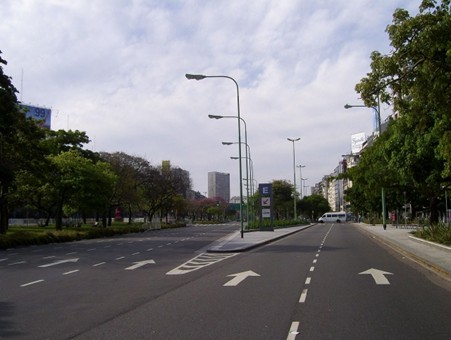
The transformation began in earnest when President Javier Milei’s administration implemented Decree 49/25 in January 2025, slashing import tariffs to 0% on electric and hybrid vehicles valued under $16,000 USD and creating a quota allowing up to 50,000 units annually. This policy shift effectively opened the floodgates for Chinese manufacturers like BYD, BAIC, and MG, which now account for over 85% of Argentina’s electric vehicle imports. The Toyota Corolla Cross, meanwhile, maintains its position as the country’s best-selling hybrid, proving that some loyalties run deeper than government incentives. Within months of the new policy, over 33,000 import requests were submitted, with the first wave of vehicles expected to arrive throughout 2025, transforming Buenos Aires streets from a sea of traditional combustion engines into something resembling a very confused parking lot where half the drivers are still looking for gas stations.
But here’s where the story gets interesting from a fleet management perspective. As Argentina’s automotive landscape shifts toward electrification, businesses face a fascinating challenge: how do you efficiently manage a mixed fleet of traditional vehicles and their whisper-quiet electric counterparts? This is where GPS tracking technology becomes not just useful but essential. Fleet management solutions like GPSWOX are experiencing growing demand in Argentina’s $255 million fleet services market, which is driven by businesses desperately trying to optimize operations amid fuel prices that have surged 15% in the past year alone. According to Argentina’s National Institute of Statistics and Censuses, fuel expenses now account for 30% of total logistics costs, making the transition to electric vehicles and sophisticated tracking systems less of a luxury and more of a survival strategy.

The regulatory environment is pushing this evolution forward with remarkable force. Resolution 32/2018, issued by Argentina’s Ministry of Transport, mandates that commercial vehicles adopt telematics and GPS tracking systems for enhanced road safety, real-time fleet monitoring, and compliance with environmental standards. This isn’t a gentle suggestion whispered over mate; it’s a legal requirement covering commercial vehicles in logistics, passenger transport, and hazardous materials delivery, with mandatory data reporting to regulatory authorities. For fleet operators still relying on clipboards and gut instinct, the message is clear: welcome to the 21st century, where your delivery van tattles on you to the government if you speed.
The practical benefits of GPS tracking in Argentina’s evolving automotive sector extend far beyond regulatory compliance. Fleet managers using advanced telematics solutions report cutting operational costs by up to 30% through optimized routing, reduced idle time, and predictive maintenance scheduling. In a country where Buenos Aires alone houses nearly 40% of the population and generates almost half the GDP, efficient fleet management translates directly to competitive advantage. Real-time tracking enables businesses to provide accurate delivery estimates, monitor driver behavior, optimize fuel consumption, and respond instantly to emergencies or route deviations. The technology also integrates seamlessly with electric vehicles, providing additional data on charging levels, battery health, and charging station locations—critical information when Argentina’s charging infrastructure remains, shall we say, optimistically sparse outside major urban centers.
What makes this technological evolution particularly intriguing is the convergence of multiple market forces. Argentina possesses some of the world’s largest lithium reserves, a crucial component for EV batteries, yet the country produces virtually no electric vehicles domestically. Local manufacturers like Coradir, which produces the TITO urban electric car with a maximum speed of 65 kilometers per hour, sold approximately 100 units in 2024. For context, that’s fewer vehicles than most Buenos Aires taxi drivers would encounter during a typical afternoon navigating the chaotic ballet of Avenida 9 de Julio. The reality is stark: Argentina’s automotive industry remains focused on assembly rather than innovation, with limited robotization and outdated production facilities struggling to compete against the sophisticated, competitively priced imports flooding in from China.
The GPS tracking market itself reflects fascinating global dynamics that Argentina is experiencing firsthand. The worldwide vehicle tracking system market, valued at approximately $15 billion in 2025, is projected to reach $40 billion by 2033 with a compound annual growth rate of 12%. This growth is fueled by the integration of artificial intelligence, advanced driver assistance systems, and Internet of Things connectivity—technologies that transform basic location tracking into comprehensive fleet intelligence platforms. In Argentina specifically, the telematics market is expected to reach $150 million, driven by a 30% increase in demand for real-time data analytics. Fleet operators are discovering that modern GPS tracking does far more than answer the question “where is my truck?”—it predicts maintenance needs, coaches drivers on fuel-efficient behavior, automates compliance reporting, and provides the kind of operational visibility that would have seemed like science fiction a decade ago.
The human element in this technological transformation deserves attention. Argentine businesses are increasingly recognizing that GPS tracking isn’t about surveillance or mistrust; it’s about empowerment and protection. Drivers equipped with GPS systems receive immediate assistance during emergencies through SOS features that instantly notify fleet managers of exact locations. Route optimization means less time stuck in Buenos Aires traffic (a blessing that cannot be overstated) and more predictable schedules. Insurance companies are offering discounts for GPS-equipped vehicles, recognizing the technology’s role in theft prevention and recovery. One study found that vehicles with GPS tracking systems have recovery rates exceeding 90% after theft, compared to less than 30% for untracked vehicles. In a country where vehicle theft remains a persistent concern, that statistic alone justifies the investment.
Looking forward, Argentina’s automotive and fleet management sectors stand at a fascinating crossroads. The influx of affordable electric vehicles from Chinese manufacturers will undoubtedly accelerate the transition away from fossil fuels, particularly in urban fleets where range anxiety is less problematic and environmental benefits are most pronounced. The e-commerce sector, projected to grow 25% annually, is creating enormous demand for efficient last-mile delivery solutions that combine electric vehicles with sophisticated routing and tracking technologies. Meanwhile, the government’s focus on electrifying public transportation, government fleets, and taxi services presents opportunities for large-scale GPS tracking deployments that will generate unprecedented amounts of data about urban mobility patterns.
The convergence of electric vehicles and GPS tracking technology represents more than just operational efficiency—it’s a fundamental reimagining of how transportation works in Argentina. As charging infrastructure expands, battery costs decline, and telematics platforms become more sophisticated, the businesses that adapt quickly will gain substantial competitive advantages. The old model of fleet management—where knowledge lived in drivers’ heads and management decisions relied on incomplete information—is giving way to data-driven operations where every vehicle movement generates insights. For Argentine businesses navigating this transition, the question isn’t whether to adopt GPS tracking and consider electric vehicles, but rather how quickly they can implement these technologies before their competitors do. In a market transforming as rapidly as Argentina’s automotive sector, standing still isn’t an option; it’s just a slower way of falling behind.
Anyone can join.
Anyone can contribute.
Anyone can become informed about their world.
"United We Stand" Click Here To Create Your Personal Citizen Journalist Account Today, Be Sure To Invite Your Friends.
Before It’s News® is a community of individuals who report on what’s going on around them, from all around the world. Anyone can join. Anyone can contribute. Anyone can become informed about their world. "United We Stand" Click Here To Create Your Personal Citizen Journalist Account Today, Be Sure To Invite Your Friends.
LION'S MANE PRODUCT
Try Our Lion’s Mane WHOLE MIND Nootropic Blend 60 Capsules
Mushrooms are having a moment. One fabulous fungus in particular, lion’s mane, may help improve memory, depression and anxiety symptoms. They are also an excellent source of nutrients that show promise as a therapy for dementia, and other neurodegenerative diseases. If you’re living with anxiety or depression, you may be curious about all the therapy options out there — including the natural ones.Our Lion’s Mane WHOLE MIND Nootropic Blend has been formulated to utilize the potency of Lion’s mane but also include the benefits of four other Highly Beneficial Mushrooms. Synergistically, they work together to Build your health through improving cognitive function and immunity regardless of your age. Our Nootropic not only improves your Cognitive Function and Activates your Immune System, but it benefits growth of Essential Gut Flora, further enhancing your Vitality.

Our Formula includes: Lion’s Mane Mushrooms which Increase Brain Power through nerve growth, lessen anxiety, reduce depression, and improve concentration. Its an excellent adaptogen, promotes sleep and improves immunity. Shiitake Mushrooms which Fight cancer cells and infectious disease, boost the immune system, promotes brain function, and serves as a source of B vitamins. Maitake Mushrooms which regulate blood sugar levels of diabetics, reduce hypertension and boosts the immune system. Reishi Mushrooms which Fight inflammation, liver disease, fatigue, tumor growth and cancer. They Improve skin disorders and soothes digestive problems, stomach ulcers and leaky gut syndrome. Chaga Mushrooms which have anti-aging effects, boost immune function, improve stamina and athletic performance, even act as a natural aphrodisiac, fighting diabetes and improving liver function. Try Our Lion’s Mane WHOLE MIND Nootropic Blend 60 Capsules Today. Be 100% Satisfied or Receive a Full Money Back Guarantee. Order Yours Today by Following This Link.


| Visits: | 1,775,178,539 |
| Stories: | 8,580,810 |
Whistler Blowers, Insiders

