

The Complete Guide to Herbs for the Respiratory System

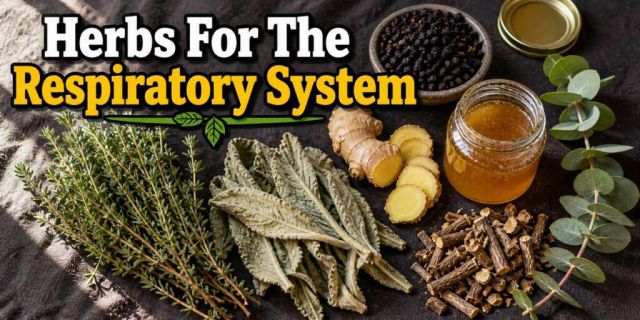
Article originally published on The Lost Herbs!
The respiratory system is one of the most herb-responsive systems in the human body. This is not coincidental. The airways are in direct contact with the external environment with every breath, which means every airborne compound, including the volatile oils and medicinal constituents of plants, has immediate and often potent access to respiratory tissue. Where it might take hours for a plant compound to travel through the digestive tract and into systemic circulation, an inhaled herb can act on the bronchial lining within seconds.
Herbal medicine has used this direct access for thousands of years. Every traditional medicine system on earth, from Ayurveda and Traditional Chinese Medicine to European herbalism and indigenous North American practice, has developed a substantial pharmacopoeia of plants specifically targeting the lungs, bronchi, sinuses, and throat. The overlap between these traditions is remarkable: many of the same plants appear independently across cultures that had no contact with each other, which is strong empirical evidence that the plants work.
This guide covers the most important and best-studied respiratory herbs, organized by their primary mechanism of action. Understanding how an herb works helps you choose the right one for the specific respiratory condition you are dealing with, rather than reaching for the same plant for every situation.
How Respiratory Herbs Work: Understanding the Mechanisms
Before getting into specific plants, it helps to understand the categories of action that respiratory herbs fall into. Most respiratory herbs work through one or more of the following mechanisms, and matching the mechanism to the condition is what separates effective use from guesswork.
Expectorants
Expectorants increase the production and flow of mucus in the respiratory tract, making it easier to cough up and clear. This sounds counterintuitive, especially when congestion is already the problem, but thin mobile mucus is far easier to clear than thick stagnant mucus. Expectorants work best in the productive stage of a respiratory illness when there is mucus present but it is stuck. They are divided into stimulating expectorants, which irritate the bronchial lining to trigger increased mucus flow, and relaxing expectorants, which reduce bronchial tension and thin existing secretions.
Demulcents
Demulcent herbs coat and soothe irritated mucous membranes. They are particularly valuable for dry, irritated, tickling coughs and for throat and bronchial inflammation. They work through their mucilage content, a class of complex polysaccharides that form a gel-like coating on mucosal surfaces, protecting them from irritants and reducing inflammation. Demulcents are often the most underused category in respiratory herbalism.
Antispasmodics
Antispasmodic herbs reduce bronchial muscle spasm, which is the primary driver of wheezing, tightness, and the sensation of breathlessness in conditions like asthma and bronchitis. They relax the smooth muscle of the bronchioles, opening the airway. Several important antispasmodic respiratory herbs also have anti-inflammatory activity that compounds their bronchodilatory effect.
Antimicrobials
Antimicrobial herbs address the infectious agents, bacterial, viral, or fungal, that cause many acute respiratory conditions. Several respiratory herbs have particularly strong antimicrobial action against the specific pathogens most commonly involved in upper and lower respiratory infections, including Streptococcus, Staphylococcus, and common respiratory viruses.
Anti-inflammatories
Inflammation of the airways drives many of the most uncomfortable respiratory symptoms: swelling of the sinus passages, bronchial wall edema, post-nasal drip, and the hypersensitivity that underlies allergic respiratory conditions. Anti-inflammatory respiratory herbs work through several pathways, including inhibition of prostaglandin synthesis, reduction of histamine release, and modulation of the cytokine responses that drive chronic airway inflammation.
Immunomodulators
Immunomodulating herbs do not fight pathogens directly. They support and regulate the immune response itself, improving the body’s ability to identify and eliminate infectious agents while also calming the excessive immune responses that drive allergic and autoimmune respiratory conditions. This dual action makes them particularly valuable for people who experience recurrent respiratory infections or who have underlying allergic respiratory conditions.
The Essential Respiratory Herbs

Thyme (Thymus vulgaris)
Thyme is one of the most clinically validated respiratory herbs available, and one of the easiest to grow or source. Its primary active compounds are thymol and carvacrol, both of which have demonstrated bronchodilatory, expectorant, and antimicrobial activity. Thymol specifically has been shown to relax tracheal smooth muscle in laboratory studies, supporting its traditional use as an antispasmodic cough remedy.
A landmark study published in Arzneimittelforschung (Drug Research) found that a thyme-ivy syrup preparation was as effective as the pharmaceutical expectorant ambroxol in treating acute bronchitis, with a comparable safety profile and significantly fewer side effects. Thyme is approved as a traditional herbal medicine for respiratory conditions by the European Medicines Agency.
Thyme works best as a hot infusion for bronchitis, productive cough, and upper respiratory infection. Steep one tablespoon of fresh thyme or one teaspoon of dried thyme in eight ounces of just-boiled water for ten minutes. Drink two to three cups daily during acute illness. It also works well as a steam inhalation: add a large handful of fresh thyme to a bowl of boiling water and inhale the steam for ten minutes.
Thyme is safe for regular use with no significant contraindications at culinary and tea doses. High-dose concentrated extracts should be avoided in pregnancy.

Mullein (Verbascum thapsus)
Mullein is the quintessential lung herb in North American and European folk medicine. Its large, soft, densely hairy leaves have been used for centuries to address respiratory conditions ranging from dry irritating cough to bronchitis to tuberculosis. The mechanism is primarily demulcent and expectorant: the mucilage-rich leaf soothes irritated bronchial tissue while saponins in the leaf act as stimulating expectorants that help move mucus out of the lower airways.
Research from the National Institutes of Health has identified anti-inflammatory, antiviral, and antibacterial activity in mullein extracts, providing laboratory-level support for its traditional use in respiratory infections. The plant has also shown activity against certain strains of Mycobacterium tuberculosis in vitro, which offers some scientific basis for its traditional use in that context.
Mullein leaf tea requires straining through a fine cloth or coffee filter after brewing because the fine leaf hairs can irritate the throat if swallowed. Use two teaspoons of dried leaf per cup, steep for fifteen minutes, and strain carefully before drinking. Up to three cups daily is appropriate during active respiratory illness. Mullein root tincture has a different application, being more specific to lower urinary tract and bladder conditions, so ensure you are using the leaf preparation for respiratory use.
Mullein is one of the easiest medicinal herbs to grow and identify. The tall second-year flower spike, which can reach six feet, makes it immediately recognizable in fields and roadsides. It grows as a biennial: the large soft rosette of leaves in the first year, the tall flower spike in the second. Harvest leaves in the first or early second year before the flower spike extends fully.
 Elderberry (Sambucus nigra)
Elderberry has accumulated more clinical research in recent years than almost any other respiratory herb, primarily focused on its activity against influenza and common cold viruses. The flavonoids in elderberry, particularly anthocyanins, appear to inhibit viral replication by binding to viral surface proteins and preventing their attachment to host cells. They also stimulate cytokine production in a way that activates the innate immune response against viral invaders.
A meta-analysis published in Complementary Therapies in Medicine pooled data from multiple randomized controlled trials and found that elderberry supplementation significantly reduced the duration and severity of upper respiratory symptoms caused by influenza and cold viruses. The effect was most pronounced when elderberry was taken at the first sign of symptoms rather than after illness was fully established.
Elderberry is an immunomodulator and antiviral rather than a broad-spectrum antimicrobial, which means it is most valuable for viral respiratory illness: colds, flu, and the upper respiratory symptoms associated with respiratory viruses. It is less directly useful for bacterial infections of the lower airways, though its immune-supporting role remains beneficial as a supportive treatment in any respiratory illness.
Elderberry syrup is the most bioavailable and easiest-to-dose preparation. To make it: simmer one cup of dried black elderberries in three cups of water with one cinnamon stick, three whole cloves, and one tablespoon of fresh grated ginger for 45 minutes until the liquid is reduced by half. Cool, strain, and mix with one cup of raw honey. Store refrigerated for up to three months. Take one tablespoon daily for immune support or one tablespoon every two to three hours at the onset of viral illness.
Note: raw elderberries contain sambunigrin, a cyanogenic glycoside that causes nausea and vomiting. Always cook elderberries before consumption. Commercial elderberry syrups and properly prepared home syrups are safe.
 Licorice Root (Glycyrrhiza glabra)
Licorice root is one of the most frequently used herbs in Traditional Chinese Medicine for respiratory conditions, and its pharmacology is among the best understood of any respiratory herb. Its primary active compound, glycyrrhizin, has demonstrated anti-inflammatory, antiviral, expectorant, and demulcent activity through multiple mechanisms. It inhibits the enzyme phospholipase A2, which is involved in prostaglandin synthesis and the inflammatory cascade. It also promotes the secretion of thin, mobile mucus in the bronchi while simultaneously soothing the mucosal surfaces it contacts.
A review published in the Journal of Ethnopharmacology documented licorice root’s significant activity against several respiratory viruses including influenza A, SARS-associated coronaviruses, and common cold rhinoviruses in laboratory settings. The combination of antiviral, anti-inflammatory, and demulcent action makes it one of the most versatile herbs for acute respiratory illness.
Licorice root is best used as a decoction: simmer one teaspoon of dried root pieces in two cups of water for fifteen to twenty minutes, strain, and drink one to two cups per day. It blends exceptionally well with thyme for bronchitis and with marshmallow root for dry irritating cough. It adds a natural sweetness that makes respiratory tea blends more palatable.
Important caution: licorice root should not be used long-term, meaning more than four to six weeks of daily use, without supervision. Glycyrrhizin at high doses over extended periods can cause pseudohyperaldosteronism, a condition involving sodium retention, potassium loss, elevated blood pressure, and edema. DGL (deglycyrrhizinated licorice) is a processed form with the glycyrrhizin removed that is safe for long-term use but has reduced anti-inflammatory activity. For acute illness of two to four weeks, standard licorice root at normal doses is appropriate for most adults. Avoid in pregnancy, hypertension, kidney disease, and low potassium conditions.
 Marshmallow Root (Althaea officinalis)
Marshmallow root is the premier demulcent herb for respiratory conditions involving dry, irritated, or inflamed mucosal surfaces. Its mucilage content, which can constitute up to 35% of the dry root weight, forms a thick, gel-like protective coating on the throat, bronchial lining, and upper airways that physically shields irritated tissue from further damage, reduces inflammatory signaling, and provides the sensation of relief within minutes of consumption.
It is the herb of choice for dry, non-productive tickling coughs where the irritation itself perpetuates the cough cycle. Unlike expectorants, which stimulate mucus production, marshmallow root calms the nervous system signals that trigger spasmodic coughing over irritated membranes. Research published in Complementary Medicine Research found that a marshmallow root syrup preparation significantly reduced dry cough frequency and throat irritation compared to placebo in a randomized trial.
The most effective preparation for marshmallow root is a cold infusion rather than a hot tea, because heat partially degrades the mucilage. Place two tablespoons of dried marshmallow root in a glass jar with one quart of cold water. Allow to infuse overnight or for a minimum of four hours. The resulting liquid will be noticeably thick and slightly viscous. Drink throughout the day in small amounts. It can be warmed gently but should not be boiled.
Marshmallow root has an excellent safety profile with no significant drug interactions or contraindications at normal doses. As with all demulcents, it may slow the absorption of medications taken at the same time. Take at least two hours apart from any pharmaceutical medications.
 Eucalyptus (Eucalyptus globulus)
Eucalyptus is perhaps the most immediately recognizable respiratory herb in the world, and for good reason. Its primary active compound, 1,8-cineole (eucalyptol), has been more extensively studied for respiratory applications than almost any other plant-derived compound. It acts simultaneously as a mucolytic, breaking down and thinning mucus; a bronchodilator, relaxing smooth muscle in the airways; and an anti-inflammatory, reducing the prostaglandin and cytokine activity that drives bronchial inflammation.
A systematic review published in Clinical, Cosmetic and Investigational Dermatology confirmed cineole’s efficacy across sinusitis, bronchitis, and asthma with a favorable safety profile. A separate clinical trial found that oral cineole supplementation reduced exacerbation frequency in patients with chronic obstructive pulmonary disease (COPD), suggesting applications beyond acute illness.
For home use, steam inhalation is the most effective delivery method. Add five drops of eucalyptus essential oil, or a large handful of fresh or dried leaves, to a bowl of just-boiled water. Lean over the bowl with a towel tented over your head, and inhale for five to ten minutes. The volatile compounds contact the bronchial lining directly and begin acting within minutes. Repeat two to three times daily for congestion, bronchitis, or sinusitis.
Do not apply eucalyptus essential oil to the face or near the nose of infants and young children. Cineole can cause respiratory distress in very young children when applied in concentrated form near the airway.
 Elecampane (Inula helenium)
Elecampane is one of the most important and most underused respiratory herbs in the Western tradition. Its roots contain inulin (a prebiotic fiber), alantolactone and isoalantolactone (sesquiterpene lactones with antimicrobial and anti-inflammatory activity), and essential oils with expectorant properties. It combines stimulating expectorant action with direct antimicrobial activity against respiratory pathogens, making it particularly valuable for lower respiratory infections with deep, stubborn mucus that is difficult to move.
Traditional Western herbalism used elecampane specifically for chronic coughs, bronchiectasis, and conditions involving established infection in the lower airways. Modern research has confirmed antimicrobial activity against Mycobacterium tuberculosis and Staphylococcus aureus, as documented in studies indexed in PubMed via the National Library of Medicine. The root also has significant anti-inflammatory activity through inhibition of NF-kB signaling.
Elecampane root is prepared as a decoction: simmer one teaspoon of dried chopped root per cup of water for twenty minutes, strain, and drink two to three cups daily. The taste is bitter, aromatic, and medicinal. Blending with licorice root and a small amount of honey makes it more palatable. Tincture form is also available and offers better palatability with equivalent activity.
Elecampane is contraindicated in pregnancy. People sensitive to plants in the Asteraceae family (ragweed, chrysanthemum, daisy family) may experience allergic reactions and should start with a small test dose.

Ginger (Zingiber officinale)
Ginger belongs in every respiratory herb discussion for several reasons. Its gingerols and shogaols have anti-inflammatory activity that specifically targets the inflammatory pathways involved in respiratory conditions, including inhibition of arachidonic acid metabolism and reduction of TNF-alpha and IL-1 beta production. It is also a warming circulatory stimulant that drives blood flow to peripheral tissues, which supports the immune response in the respiratory mucosa.
For respiratory use, ginger is most valuable as a diaphoretic and warming herb at the onset of illness when the person feels chilled, achy, and cold. It promotes sweating, which is the body’s mechanism for regulating temperature during fever, and it has mild antiviral activity that is most effective in the early stages of viral upper respiratory infection. A study published in the Journal of Ethnopharmacology found that fresh ginger specifically inhibited the attachment of human respiratory syncytial virus (RSV) to respiratory epithelial cells.
Fresh ginger tea is the simplest preparation: slice or grate a tablespoon of fresh ginger root into two cups of water, simmer for ten minutes, strain, and add honey and lemon. Drink hot at the first sign of respiratory illness. Three to four cups daily is appropriate during acute illness. Ginger is broadly safe with excellent tolerability. It may potentiate anticoagulant medications at high doses; individuals on blood thinners should consult a healthcare provider before using medicinally.

Lobelia (Lobelia inflata)
Lobelia is one of the most powerful antispasmodic respiratory herbs in the North American tradition, and one of the most important to understand correctly because it is a potent herb with a narrow therapeutic window. Its primary alkaloid, lobeline, acts on the autonomic nervous system in ways that relax bronchial smooth muscle, stimulate the respiratory drive, and reduce the bronchospasm that underlies wheezing and the sensation of tightness in asthma and bronchitis.
Lobelia was used extensively by Eclectic physicians in nineteenth-century American medicine and by Samuel Thomson, the founder of Thomsonian herbalism, as a primary treatment for asthma and severe bronchial spasm. It was known as the most reliable bronchial antispasmodic available to practitioners who had no pharmaceutical bronchodilators.
Lobelia should be used with care and ideally under the guidance of a trained herbalist. At appropriate doses, typically a small amount of tincture, it is an effective and safe antispasmodic. At excessive doses it causes nausea, vomiting, and in extreme cases respiratory depression. The nausea response serves as a natural self-limiting mechanism. It is not recommended as a starting herb for those new to respiratory herbalism, but it deserves inclusion in a complete guide because for chronic and severe bronchospasm it has few herbal equivalents.
 Hyssop (Hyssopus officinalis)
Hyssop is a Mediterranean herb with a long history in European respiratory medicine that has received considerably less modern attention than it deserves. Its volatile oils, primarily pinocamphone and isopinocamphone, are expectorant and antispasmodic. It also contains flavonoids including diosmin and hesperidin with anti-inflammatory and antiviral properties. Traditional uses include chronic bronchitis, productive cough, and the wheezy, mucus-laden cough of children.
Hyssop is prepared as a hot infusion: one teaspoon of dried herb per cup, steeped for ten minutes, strained and drunk two to three times daily. Its flavor is pleasantly aromatic and slightly bitter, more palatable than many other respiratory herbs. It combines well with thyme, elecampane, and marshmallow root in a broad-spectrum respiratory blend.
Avoid hyssop in pregnancy and in individuals with a history of seizures, as the ketone compounds in the essential oil have shown convulsant activity at high doses in animal studies. At tea doses this is not a clinical concern, but concentrated essential oil preparations of hyssop should be avoided entirely.
 Echinacea (Echinacea purpurea and related species)
Echinacea‘s primary application in respiratory health is immunomodulatory rather than directly antimicrobial or antispasmodic. It stimulates and modulates the innate immune response, increasing phagocytic activity of macrophages and natural killer cells, promoting interferon production, and activating T-cell populations that drive the adaptive immune response against respiratory pathogens.
The most comprehensive meta-analysis on echinacea to date, published in The Lancet Infectious Diseases, found that echinacea use was associated with a 58% reduction in the incidence of the common cold and a significant reduction in duration when illness did occur. It is most effective taken at the first sign of respiratory infection and should not be used as a daily preventive for extended periods.
Tincture made from fresh aerial parts of Echinacea purpurea or from the root of Echinacea angustifolia is the most potent preparation. A standard acute dose is 3 to 5 ml of tincture every two to three hours at the onset of symptoms, tapering to three times daily as symptoms improve. Continuous use beyond two to three weeks is not supported by research and may be counterproductive by causing immune habituation. Always take breaks between echinacea courses.
 (Plantago major and P. lanceolata)
Common plantain, the broad-leaved weed that grows in every lawn and driveway crack in temperate regions, is one of the most valuable and most overlooked respiratory herbs available. Its leaves contain aucubin (an iridoid glycoside with anti-inflammatory and antioxidant activity), mucilage, tannins, and allantoin (which promotes tissue repair). It functions as a gentle expectorant, demulcent, and anti-inflammatory specific to the respiratory mucosa.
Plantain is particularly effective for chronic irritating cough, smoker’s cough, and the lingering cough that follows acute respiratory illness long after the infectious phase has resolved. It soothes inflamed bronchial tissue while gently moving stuck mucus and promoting healing of damaged mucosal surfaces. Research published in Phytotherapy Research confirmed anti-inflammatory and antioxidant activity in plantain extracts relevant to respiratory mucosal conditions.
Plantain is prepared as a hot infusion: two teaspoons of dried leaf per cup, steeped for ten minutes. It can also be juiced fresh or taken as a tincture. Its flavor is mild and slightly astringent, making it one of the most palatable respiratory herbs available. It has an excellent safety profile with no significant contraindications.
How to Choose the Right Herb for Your Respiratory Condition
Acute viral upper respiratory infection (cold, flu)
Prioritize echinacea at onset for immune activation, elderberry for antiviral activity, and ginger for warmth and early-stage viral inhibition. Add thyme for any accompanying cough and marshmallow root if the throat is dry and irritated.
Bronchitis with productive cough
Thyme is the first choice, supported by elecampane for deep stuck mucus in the lower airways. Add licorice root for its combined expectorant and anti-inflammatory action. Eucalyptus steam inhalation twice daily accelerates mucus clearance.
Dry, irritating, non-productive cough
Marshmallow root cold infusion is the primary herb, with plantain for additional demulcent and anti-inflammatory support. Add licorice root for its soothing coating action. Thyme can be added in smaller amounts for its mild antispasmodic effect, but stimulating expectorants should be minimized when there is no mucus to move.
Sinusitis and sinus congestion
Eucalyptus steam inhalation is the most direct intervention. Internally, thyme and ginger together provide antimicrobial, anti-inflammatory, and decongestant action. Elderberry is useful if the sinusitis is of viral origin.
Asthma and chronic bronchial spasm
This is the most complex category and one where professional medical involvement is important. For supportive herbal use alongside conventional management, lobelia (with care), thyme, and elecampane address different aspects of bronchospasm and airway inflammation. Licorice root for its anti-inflammatory effect and mullein for its demulcent support of the bronchial lining are also appropriate adjuncts. Never reduce or discontinue prescribed asthma medication without medical supervision.
Chronic recurring respiratory infections
Build the immune foundation first with echinacea in pulse cycles: two to three weeks on, one week off. Elderberry taken daily through cold and flu season provides consistent antiviral protection. Elecampane used periodically addresses any tendency toward deep lower respiratory involvement. Ensure diet, sleep, and stress management support rather than undermine the immune response.
Preparation Methods: Getting the Most from Respiratory Herbs
Hot infusion (tea)
The standard preparation for leaf and flower respiratory herbs: thyme, mullein, hyssop, echinacea aerial parts, plantain, and elderflower. Pour just-boiled water over the herb, steep covered for ten to fifteen minutes, and strain. Covering during steeping is important for volatile-oil-rich herbs like thyme and hyssop, because the steam carries away the therapeutic volatile compounds if the cup is left open.
Decoction
Required for hard, woody, or root material: elecampane root, licorice root, ginger root. Simmer in water for fifteen to twenty minutes, strain, and drink. Root material releases its constituents most effectively under sustained heat rather than just steeping.
Cold infusion
The correct method for marshmallow root and other high-mucilage herbs where heat degrades the therapeutic mucilage. Cold water extraction overnight or for a minimum of four hours produces the most mucilage-rich preparation.
Steam inhalation
The most direct respiratory delivery method. Used primarily with eucalyptus, thyme, and hyssop. Add essential oil, fresh herb, or dried herb to a bowl of just-boiled water and inhale under a tent for five to ten minutes. Begin with a conservative amount of essential oil (two to three drops) if you have not used steam inhalation before, as concentrated volatile oils can cause eye and mucous membrane irritation at first exposure.
Tincture
Alcohol-based tinctures preserve and concentrate the active constituents of most respiratory herbs and have a three to five year shelf life. They are particularly appropriate for herbs with bitter or otherwise unpalatable flavors, for situations where preparing a fresh tea multiple times daily is impractical, and for elecampane, lobelia, and echinacea root, where tincture preparation extracts constituents more completely than water alone.
Building a Respiratory Herb Home Apothecary
A well-chosen collection of respiratory herbs covers the full range of conditions a household is likely to face from late fall through early spring. At minimum, stock the following:
- Dried thyme: for bronchitis, productive cough, and respiratory infection. Inexpensive, widely available, and doubles as a culinary herb
- Dried mullein leaf: for dry or deep cough and lower respiratory congestion
- Dried elderberries: for antiviral immune support through cold and flu season
- Dried marshmallow root: for dry, irritating cough and throat inflammation
- Dried elecampane root: for lower respiratory infection with stubborn mucus
- Dried licorice root: for combined anti-inflammatory, expectorant, and demulcent action
- Eucalyptus essential oil: for steam inhalation for congestion and bronchitis
- Fresh ginger: keep on hand always; use at the first sign of illness
- Echinacea tincture: two-ounce bottle, used in acute pulse doses at infection onset
- Raw honey: therapeutic in its own right for soothing the throat and as a base for syrups and blends
Store dried herbs in airtight glass containers away from heat and light. Most dried herbs retain full potency for one to two years when stored correctly. Label everything with the herb name and the date of purchase or harvest. Replace stock that has lost its scent, as loss of aroma indicates degradation of the volatile compounds that provide much of the respiratory benefit.
Build Your Own Respiratory Apothecary Before You Need It
Knowing which herbs support the lungs is useful. But knowing how to turn them into real remedies is what makes the difference when congestion, coughing, sinus pressure, or winter illness hits your home.
That’s where The Forgotten Home Apothecary comes in.
This guide shows you how to prepare practical, old-fashioned herbal remedies using plants, roots, oils, syrups, teas, tinctures, and salves that people relied on long before every household depended on a pharmacy run.
Inside, you’ll discover how to:
- Make effective herbal preparations from common medicinal plants
- Stock your home with remedies for coughs, colds, congestion, inflammation, digestion, pain, skin issues, and more
- Use herbs safely, with clear instructions instead of guesswork
- Build a shelf-stable home apothecary your family can actually rely on
- Turn simple ingredients like thyme, ginger, mullein, licorice root, honey, and eucalyptus into useful remedies
Modern medicine has its place. But when the roads are closed, the pharmacy shelves are empty, or you simply want a natural first line of support, having the right herbal knowledge at home matters.
👉 Get The Forgotten Home Apothecary here!
Because herbs are only powerful when you know how to use them.
Warnings and Cautions
- Asthma and COPD are serious medical conditions. Herbal support is appropriate as a complement to prescribed medical treatment, not as a replacement for it. Never reduce or discontinue bronchodilators, corticosteroids, or other prescribed respiratory medications without medical supervision
- Lobelia requires careful dosing. Use under the guidance of a trained herbalist if you have no experience with it
- Licorice root should not be used long-term without supervision and is contraindicated in hypertension, kidney disease, low potassium, and pregnancy
- Eucalyptus essential oil must not be applied near the face or airways of infants or young children
- Elecampane is contraindicated in pregnancy and should be used cautiously by those with Asteraceae family allergies
- Hyssop in concentrated essential oil form is contraindicated in pregnancy and epilepsy
- Any respiratory symptom that worsens significantly, involves high fever, produces blood in the sputum, causes severe breathlessness, or does not improve within two weeks warrants professional medical evaluation
- Herb-drug interactions are possible with several respiratory herbs. If you are taking pharmaceutical medications, consult a qualified healthcare provider before beginning any herbal regimen
Anyone can join.
Anyone can contribute.
Anyone can become informed about their world.
"United We Stand" Click Here To Create Your Personal Citizen Journalist Account Today, Be Sure To Invite Your Friends.
Before It’s News® is a community of individuals who report on what’s going on around them, from all around the world. Anyone can join. Anyone can contribute. Anyone can become informed about their world. "United We Stand" Click Here To Create Your Personal Citizen Journalist Account Today, Be Sure To Invite Your Friends.
LION'S MANE PRODUCT
Try Our Lion’s Mane WHOLE MIND Nootropic Blend 60 Capsules
Mushrooms are having a moment. One fabulous fungus in particular, lion’s mane, may help improve memory, depression and anxiety symptoms. They are also an excellent source of nutrients that show promise as a therapy for dementia, and other neurodegenerative diseases. If you’re living with anxiety or depression, you may be curious about all the therapy options out there — including the natural ones.Our Lion’s Mane WHOLE MIND Nootropic Blend has been formulated to utilize the potency of Lion’s mane but also include the benefits of four other Highly Beneficial Mushrooms. Synergistically, they work together to Build your health through improving cognitive function and immunity regardless of your age. Our Nootropic not only improves your Cognitive Function and Activates your Immune System, but it benefits growth of Essential Gut Flora, further enhancing your Vitality.

Our Formula includes: Lion’s Mane Mushrooms which Increase Brain Power through nerve growth, lessen anxiety, reduce depression, and improve concentration. Its an excellent adaptogen, promotes sleep and improves immunity. Shiitake Mushrooms which Fight cancer cells and infectious disease, boost the immune system, promotes brain function, and serves as a source of B vitamins. Maitake Mushrooms which regulate blood sugar levels of diabetics, reduce hypertension and boosts the immune system. Reishi Mushrooms which Fight inflammation, liver disease, fatigue, tumor growth and cancer. They Improve skin disorders and soothes digestive problems, stomach ulcers and leaky gut syndrome. Chaga Mushrooms which have anti-aging effects, boost immune function, improve stamina and athletic performance, even act as a natural aphrodisiac, fighting diabetes and improving liver function. Try Our Lion’s Mane WHOLE MIND Nootropic Blend 60 Capsules Today. Be 100% Satisfied or Receive a Full Money Back Guarantee. Order Yours Today by Following This Link.


| Visits: | 1,817,553,416 |
| Stories: | 8,664,536 |
Whistler Blowers, Insiders

