

Buying Tactical Gear Online: Fit, Certification, and Returns Explained

Buying tactical gear online can be a smart move. You get access to a wider range of products and often better prices. But it also comes with unique challenges. Unlike shopping in a physical store, you cannot physically touch or try on items. This makes things like how gear fits, whether it meets quality standards, and what happens if you need to send it back very important. Many people overlook these details, leading to frustration and wasted money.
This guide will help you navigate the process. We will cover crucial aspects to ensure your online purchases are successful and safe.
Understanding Fit for Tactical Gear
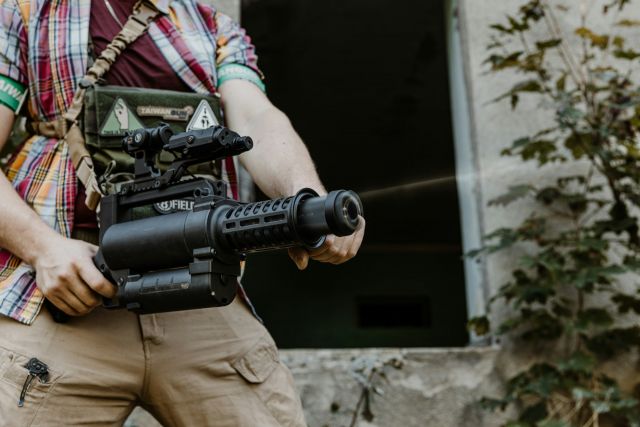
Fit is not just about comfort for tactical gear. It is about function and safety. Gear that does not fit right can hinder movement, cause discomfort, or even fail to protect you. Things like plate carriers, vests, gloves, and boots are especially sensitive to proper sizing. A plate carrier that is too loose will shift around. One that is too tight will restrict breathing and movement. Both are dangerous in a tactical situation.
When buying online, you must rely heavily on sizing charts. Every reputable manufacturer provides these. Do not assume your size in one brand is the same as another. Always check the specific chart for the item you are buying. Measure yourself accurately. Use a flexible tape measure and get help if needed. For chest measurements, measure around the fullest part of your chest. For waists, measure around your natural waistline. Compare these numbers to the chart.
Consider how you will wear the gear. Will you wear it over thick clothing? Or perhaps over existing body armor? Factor this into your measurements. Some gear, like gloves, often has a separate sizing guide based on hand circumference or length. Boots require measuring both foot length and width. Do not just go by your street shoe size. Tactical boots need to fit snugly but not tightly. Enough room for thick socks is often a good idea.
As Noam Friedman, CMO of Tradeit notes, “When acquiring any item, whether it’s a critical piece of tactical equipment or a purely cosmetic asset, the true measure of its value isn’t just its inherent quality but how it truly ‘fits’ into your existing setup and intended use. Overlooking the contextual nuances – how it integrates with what you already have, or the specific scenarios you envision – often leads to a disconnect between expectation and experience, diminishing its perceived worth. This careful consideration ensures that what you acquire genuinely enhances your overall capability or aesthetic.”
Read user reviews for fit information. Other buyers often share their experiences with sizing. They might mention if an item runs large or small. They could also suggest whether to size up or down. This real-world feedback can be very valuable. It adds another layer of confidence to your decision.
The Importance of Certifications and Standards
Tactical gear is designed for specific purposes, often involving protection or critical function. Because of this, certifications and adherence to industry standards are non-negotiable. These labels tell you that a product has been tested. They show it meets certain levels of quality, performance, or safety. Ignoring them can put you at risk.
As Chris Muktar, Founder & CEO of LINKLY notes, “Certifications in tactical gear, much like robust analytics in the digital marketing landscape, are fundamentally about mitigating risk through verifiable standards. Without precise data and clear benchmarks, you’re operating on assumption, not insight, leaving critical outcomes to chance. The cost of ignoring these established guardrails, whether for a product’s safety or a strategy’s performance, is almost always higher than the investment in proving its efficacy.”
For ballistic protection, look for National Institute of Justice (NIJ) certifications. The NIJ sets standards for body armor in the United States. An NIJ-certified vest or plate means it has undergone rigorous testing. It meets specific ballistic resistance levels. Different levels protect against different threats, like handgun rounds or rifle rounds. Make sure the certification matches the threat level you need.
Other gear might have different standards. For example, some professional-grade holsters or weapon accessories may be tested to withstand extreme conditions. Look for evidence of independent testing or compliance with recognized industry bodies. Military or police grade designations, while sometimes used in marketing, are less reliable than formal certifications. Always seek specific, verifiable certifications.
Reputable sellers will clearly state any certifications a product carries. They will often provide links to the certification documents or refer to the specific standard number. If a product claims to be “military spec” but has no verifiable certification, be very wary. It might just be marketing jargon for something that looks the part but lacks the substance. Always prioritize verifiable proof over vague claims.
Understand that certifications can expire or be updated. Make sure the certification listed is current. A company that boasts about a 20-year-old certification without mentioning newer ones might be misleading. Research the standards themselves. Knowing what MIL-STD-810G or NIJ Level IIIa actually means will empower you. It helps you make a more informed choice about your gear.
Navigating Return Policies
Even with careful measurements and certification checks, you might still need to return an item. Perhaps the fit is slightly off. Maybe the color is different from what you expected. Or the product simply does not meet your needs. A clear and fair return policy is therefore critical when buying tactical gear online.
Before you click “purchase,” always read the seller’s return policy. Do not just skim it. Look for key details like the return window. How many days do you have to send the item back? Some stores offer 30 days, others 60, and some even less. Ensure this window gives you enough time to receive the item, try it on, and decide.
Look at the condition required for a return. Most stores require items to be in new, unused condition with all original tags and packaging. If you try on a vest and scuff it, or lose a tag, you might not be able to return it. Be very careful when unwrapping and trying on new gear. Treat it as if you might send it back.
Understand who pays for return shipping. Some retailers offer free returns, especially for exchanges or defective items. Others require you to pay the shipping cost, which can be significant for larger, heavier tactical gear. This can eat into your refund. Factor this potential cost into your buying decision. A slightly higher price from a store with free returns might be a better deal in the end.
As Tim Beighley, Sales Manager at DaklaPack US notes, “While the focus on return policies often centers on the product itself, the initial packaging choices significantly influence the actual cost of a return shipment. Bulky or overly robust packaging, while crucial for outbound product protection, often contributes to higher dimensional weight charges, which consumers will shoulder if they’re responsible for return logistics. Retailers increasingly understand that optimizing packaging for a lighter, more compact profile, even for initial shipment, can reduce overall friction and cost in the returns process, making their offerings more attractive.”
Check for any restocking fees. Some companies charge a fee, often a percentage of the item’s price, for returns. This covers their costs for processing the return and preparing the item for resale. A restocking fee can reduce your refund. Understand if it applies to your purchase. This information should be clearly stated in the return policy.
Special considerations apply to certain items. For example, some highly specialized gear, personalized items, or items involving hygiene (like certain types of headwear) might be non-returnable. This should be explicitly stated in the product description or general return policy. Always check for these exceptions before buying.
“Buying protective gear online comes with responsibilities — especially for hearing protection and tactical communication headsets”, says Sarunas Levickis, CEO of Ear Mor Store. He continues, “At Ear Mor Store, we provide detailed fit guides, adjustable sizing info, and clear return policies to avoid mismatches or comfort issues. We recommend verifying certification compliance, especially for hearing-safety standards and communication compatibility. If sellers can’t ensure fit, certification, and return support — then it’s risky business. Proper procurement protects both performance and long-term hearing health.”
Researching the Seller and Product Reviews
Beyond the specific product details, the reputation of the seller matters greatly. A good seller will have transparent policies. They will also offer reliable customer service. Before making a large purchase, take some time to research the store itself.
As Savas Bozkurt, Owner of Royal Restoration DMV notes, “In the restoration world, where decisions are often made under immense stress and emotional impact, the ‘product’ isn’t just the repair; it’s the peace of mind. That’s why vetting a service provider’s track record for transparent communication and unwavering support becomes paramount. You’re not just hiring for a fix, you’re investing in someone you can genuinely trust with your most valuable asset during a crisis.”
Look for reviews of the seller, not just the product. Websites like Trustpilot, Google reviews, or even specific forums might offer insights into other customers’ experiences. Pay attention to comments about customer service, shipping speed, and how they handle returns or warranty claims. A pattern of poor service is a red flag.
Read product reviews from verified buyers. These offer honest feedback on quality, durability, and real-world performance. Look for consistent themes. If multiple people complain about a specific buckle breaking or a seam tearing, that is a strong indicator of a potential issue. Be cautious of reviews that seem overly positive or generic, as they might not be genuine.
As Alfred Christ, Digital Marketing Manager at Robotime notes, “When you’re sifting through product reviews, especially for items with an interactive or assembly component, the real gold is in the specifics. Look beyond vague praise or criticism for patterns around things like fitment, missing components, or unexpected fragility during assembly—these often pinpoint genuine design or manufacturing considerations. Highly generic five-star reviews, on the other hand, often lack the nuanced insight that a real user, who has actually built or used the product, would naturally provide.”
Compare prices across different sellers. While a significantly lower price can be tempting, be wary of deals that seem too good to be true. Counterfeit tactical gear is a serious concern. It might look identical to the real thing but offer no protection. Buying from authorized dealers or well-known, reputable retailers reduces this risk.
Look for a way to contact customer service before you buy. Do they have a phone number? An email address? Is there a live chat function? Test it out by asking a simple question. A positive and prompt response indicates a company that values its customers. This gives you peace of mind if you encounter an issue later.
Conclusion
Buying tactical gear online requires a careful approach. Focus on fit by actively measuring yourself and using sizing charts. Prioritize certifications like NIJ standards to ensure safety and performance, always checking for current and verifiable proof. Understanding return policies is also crucial; check the return window, required condition, who pays for shipping, and any restocking fees.
Research the seller’s reputation and read product reviews from verified buyers to make an informed decision and avoid counterfeit goods. By following these best practices, you can confidently purchase high-quality, authentic gear that serves its purpose safely and effectively.
Anyone can join.
Anyone can contribute.
Anyone can become informed about their world.
"United We Stand" Click Here To Create Your Personal Citizen Journalist Account Today, Be Sure To Invite Your Friends.
Before It’s News® is a community of individuals who report on what’s going on around them, from all around the world. Anyone can join. Anyone can contribute. Anyone can become informed about their world. "United We Stand" Click Here To Create Your Personal Citizen Journalist Account Today, Be Sure To Invite Your Friends.
LION'S MANE PRODUCT
Try Our Lion’s Mane WHOLE MIND Nootropic Blend 60 Capsules
Mushrooms are having a moment. One fabulous fungus in particular, lion’s mane, may help improve memory, depression and anxiety symptoms. They are also an excellent source of nutrients that show promise as a therapy for dementia, and other neurodegenerative diseases. If you’re living with anxiety or depression, you may be curious about all the therapy options out there — including the natural ones.Our Lion’s Mane WHOLE MIND Nootropic Blend has been formulated to utilize the potency of Lion’s mane but also include the benefits of four other Highly Beneficial Mushrooms. Synergistically, they work together to Build your health through improving cognitive function and immunity regardless of your age. Our Nootropic not only improves your Cognitive Function and Activates your Immune System, but it benefits growth of Essential Gut Flora, further enhancing your Vitality.

Our Formula includes: Lion’s Mane Mushrooms which Increase Brain Power through nerve growth, lessen anxiety, reduce depression, and improve concentration. Its an excellent adaptogen, promotes sleep and improves immunity. Shiitake Mushrooms which Fight cancer cells and infectious disease, boost the immune system, promotes brain function, and serves as a source of B vitamins. Maitake Mushrooms which regulate blood sugar levels of diabetics, reduce hypertension and boosts the immune system. Reishi Mushrooms which Fight inflammation, liver disease, fatigue, tumor growth and cancer. They Improve skin disorders and soothes digestive problems, stomach ulcers and leaky gut syndrome. Chaga Mushrooms which have anti-aging effects, boost immune function, improve stamina and athletic performance, even act as a natural aphrodisiac, fighting diabetes and improving liver function. Try Our Lion’s Mane WHOLE MIND Nootropic Blend 60 Capsules Today. Be 100% Satisfied or Receive a Full Money Back Guarantee. Order Yours Today by Following This Link.


| Visits: | 1,766,049,746 |
| Stories: | 8,561,747 |
Whistler Blowers, Insiders

