

How one Lithuanian cardinal resisted Soviet persecution from a KGB prison cell

A new biography published in Lithuania recounts the life of Cardinal Sigitas Tamkevičius, SJ, one of the leading Catholic figures in the resistance to Soviet religious persecution. It details his work as editor of the underground Chronicle of the Catholic Church in Lithuania publication and his subsequent imprisonment by the KGB.
Written by journalist Regina Statkuvienė and published by the DONUM Foundation, “In the Light of the Altar” draws on recent interviews she conducted with Tamkevičius. The book also includes his letters and diary entries alongside accounts of his childhood, priesthood, underground activities, imprisonment, exile, and later episcopal ministry.
Tamkevičius was arrested in 1983 and sentenced to six years in a strict-regime labor camp followed by four years of exile in Siberia.
His story offers an insight into the experience of Catholics who resisted the Soviet Unionʼs efforts to suppress religious life and impose state atheism.
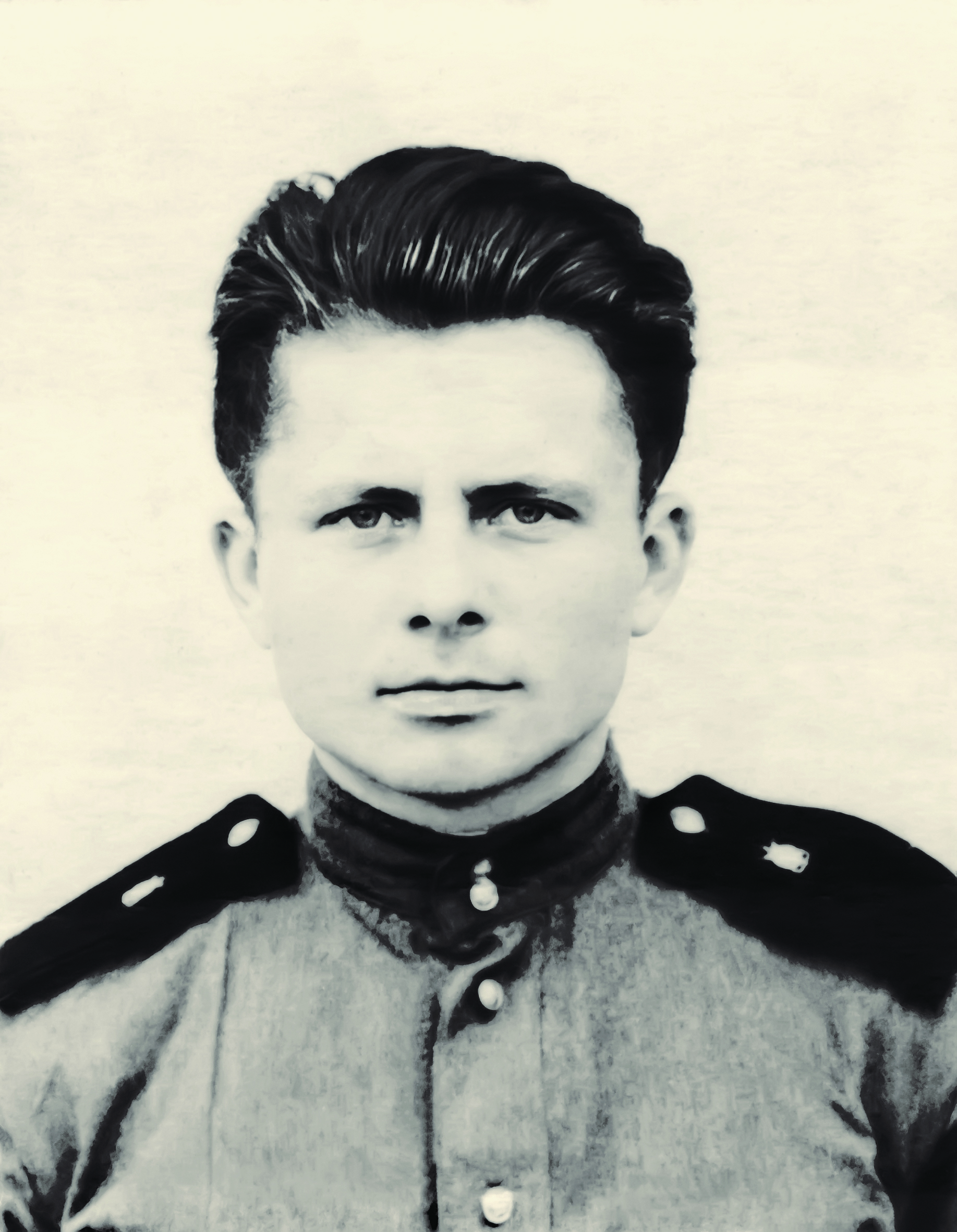
Catholic resistance in Soviet-occupied Lithuania
Founded by Tamkevičius in 1972, the Chronicle of the Catholic Church in Lithuania (“Lietuvos katalikų bažnyčios kronika,” or “LKB Kronika”) was an underground publication documenting religious persecution and human rights abuses in Soviet-occupied Lithuania.
The Kronika recorded arrests and interrogations of clergy and lay Catholics, confiscation of Church property, restrictions on religious practice, and attempts by Soviet authorities to infiltrate the Church. It was a strictly factual catalog of human rights violations, not a literary magazine or a platform for theological commentary.
Its reports were secretly typed and reproduced, with editions being smuggled to Western diplomats and foreign journalists in Moscow, with activists often microfilming the pages and hiding the negatives inside everyday objects like book covers or flashlights.
Once in the West, the material was translated and disseminated internationally, including through Vatican Radio and Radio Free Europe, directly challenging Soviet claims that religious freedom existed behind the Iron Curtain.
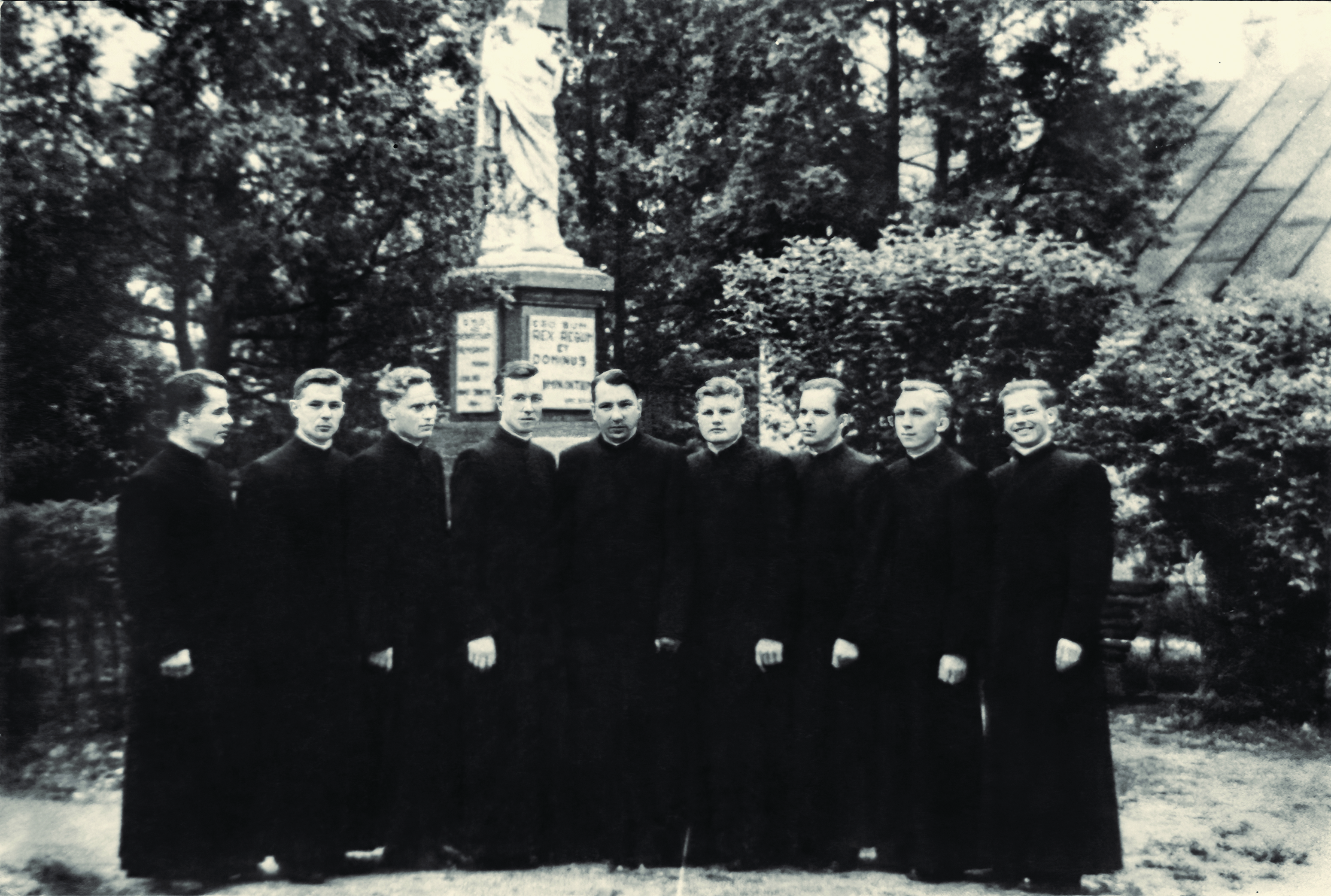
In the bookʼs foreword, Archbishop Petar Rajič, current prefect of the Papal Household and former apostolic nuncio to Lithuania, described Tamkevičius as one of the most prominent witnesses to the Soviet era.
“Every Catholic who loves the Church should read the Chronicle,” Rajič wrote, calling it a testimony to the spiritual strength and resistance of the Lithuanian people, rooted in the victory of the cross of Christ and offering lessons for Catholics today and future generations.
Arrest and KGB interrogation
The Kronika not only exposed Soviet religious persecution to the outside world but also strengthened the underground Catholic resistance within Lithuania. The KGB consequently intensified efforts to identify and suppress those involved in producing and distributing the publication.
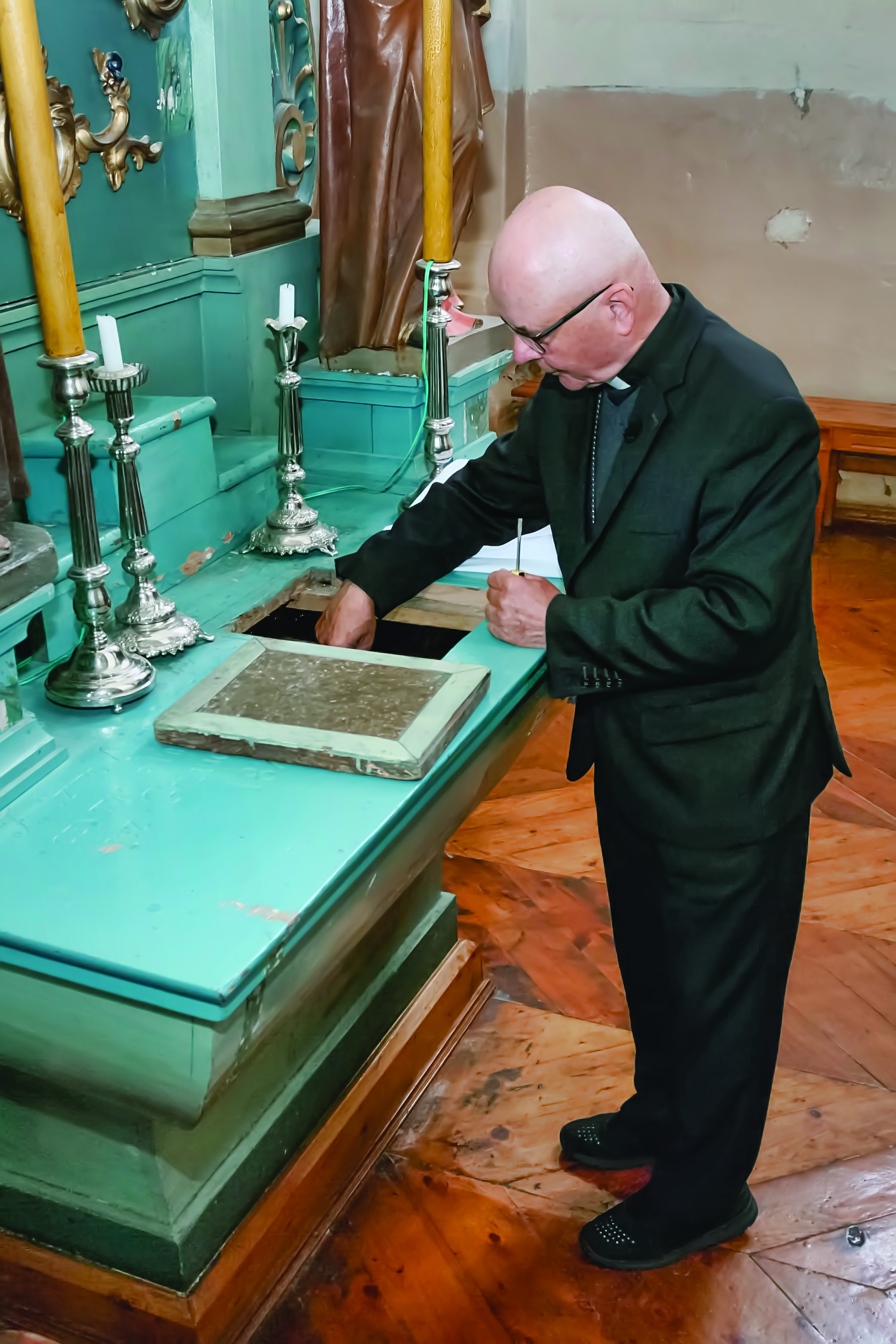
Since Tamkevičius openly preached against state atheism and challenged Soviet restrictions on the Church, he was seen as a visible figure within the Catholic resistance movement.
The Soviet authorities eventually arrested Tamkevičius in May 1983 and charged him with “anti-Soviet agitation and propaganda.” After six months of pretrial detention in the KGB isolation prison in Vilnius, he was sentenced in December to six years in a strict-regime labor camp in the Ural Mountains, followed by four years of exile in Siberia.
During his detention, Tamkevičius recalled psychological pressure from KGB interrogators. On one occasion, an interrogator offered him tea and biscuits. He drank the tea at around 2 p.m. and soon became extremely dizzy.
His next clear memory came hours later, when he heard the interrogator angrily questioning him about a document concerning the underground seminary. He was then told that it was already 10 p.m. “Only then did I realize that after drinking the tea I had lost consciousness,” he recalled.
Tamkevičius believed he had been drugged to extract information from him. The attempt failed. “Seeing how angry the interrogator was, I understood that he had managed to extract nothing from me,” he said.
Life in the labor camp
Tamkevičius recalled that his first assignment in the labor camp was peeling potatoes. “Each potato had to be taken out of almost ice-cold water,” he recalled. He feared that doing this for six years would make him ill, but after two weeks he was transferred to a metalworking workshop, where he collected metal shavings from lathes and carried them to containers.
Prisoners worked eight hours a day and were allotted another eight hours for sleep. The food was poor, consisting largely of “thin soup and watery porridge.” Later, after Mikhail Gorbachev came to power in 1985, Tamkevičius was assigned to the camp kitchen and had to rise at 4 a.m. to prepare breakfast.
The ingredients were often badly preserved. Fish, he recalled, could be heavily salted and stored for years. He learned to make the most of what was available, washing the fish overnight and frying it separately so that prisoners could have a more edible meal.
During more than five years in captivity, Tamkevičius was transferred under guard seven times and encountered prisoners ranging from teenagers to murderers. The experience became for him a reflection on human nature and the consequences of abandoning moral law.
“A life without God, without the commandments of the Decalogue, a life without love,” he wrote, describing the selfishness, pride, lust, and greed that shaped much of prison life. His reflections ultimately turned toward his own imprisonment and vocation.
“Lord, what was it that brought me behind bars and barbed wire?” he asked. “The affairs of the Church? Yes. Concern for people’s moral lives? Yes. Living according to my conscience? Yes. Thank you, Lord, that the answer was ‘yes.’” For Tamkevičius, imprisonment was ultimately the consequence of refusing to compromise his faith in the face of communist oppression.
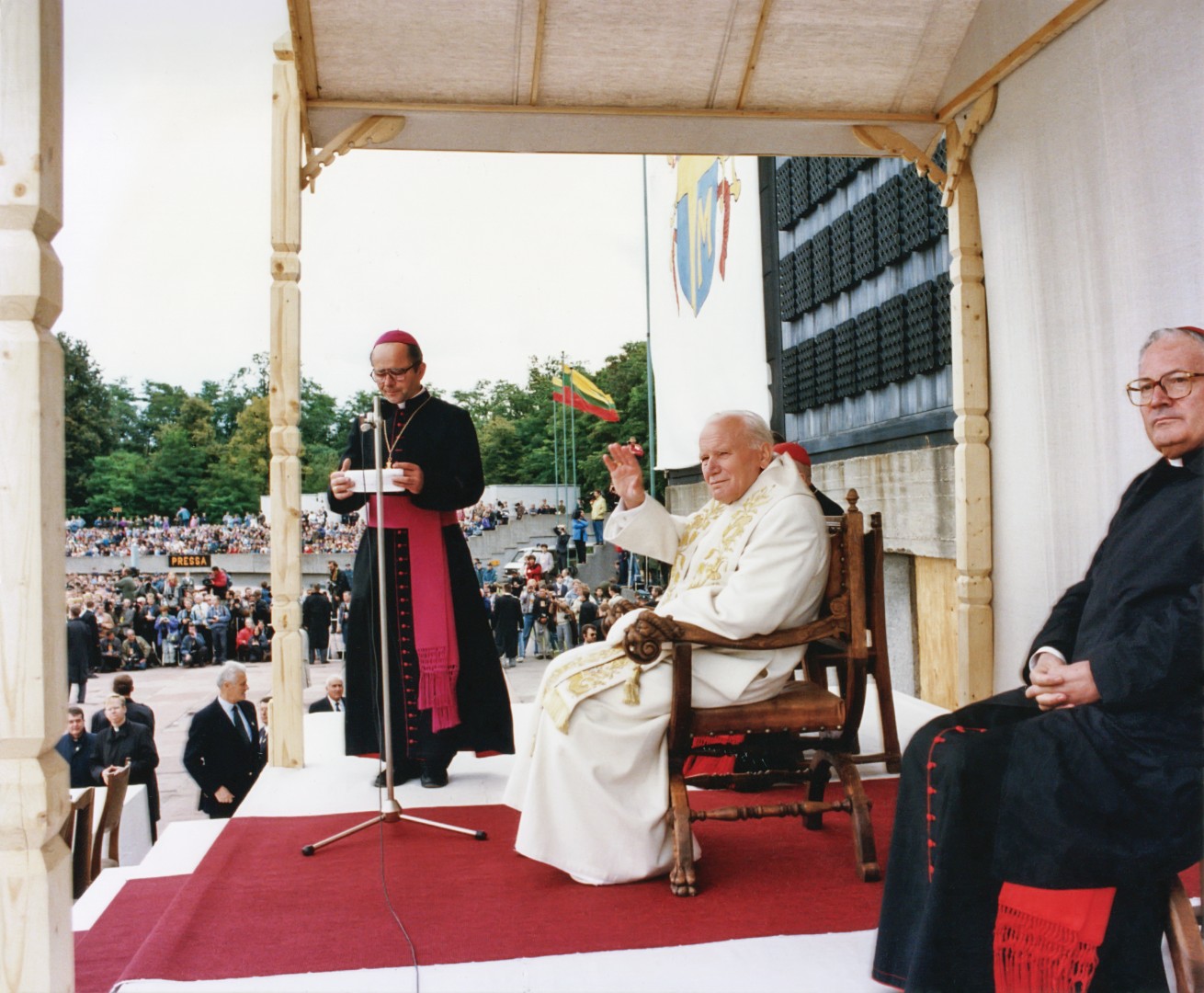
From persecution to freedom
Tamkevičius was released in 1988 as Soviet repression began to weaken. He returned to Lithuania as the country moved toward independence, restored on March 11, 1990.
Tamkevičius’ story offers a firsthand account of the cost of defending the faith under communism and the role of ordinary believers in preserving the Church through decades of persecution.
Source: https://www.ewtnnews.com/world/europe/how-cardinal-tamkevicius-resisted-soviet-persecution-from-a-kgb-prison-cell
Anyone can join.
Anyone can contribute.
Anyone can become informed about their world.
"United We Stand" Click Here To Create Your Personal Citizen Journalist Account Today, Be Sure To Invite Your Friends.
Before It’s News® is a community of individuals who report on what’s going on around them, from all around the world. Anyone can join. Anyone can contribute. Anyone can become informed about their world. "United We Stand" Click Here To Create Your Personal Citizen Journalist Account Today, Be Sure To Invite Your Friends.
LION'S MANE PRODUCT
Try Our Lion’s Mane WHOLE MIND Nootropic Blend 60 Capsules
Mushrooms are having a moment. One fabulous fungus in particular, lion’s mane, may help improve memory, depression and anxiety symptoms. They are also an excellent source of nutrients that show promise as a therapy for dementia, and other neurodegenerative diseases. If you’re living with anxiety or depression, you may be curious about all the therapy options out there — including the natural ones.Our Lion’s Mane WHOLE MIND Nootropic Blend has been formulated to utilize the potency of Lion’s mane but also include the benefits of four other Highly Beneficial Mushrooms. Synergistically, they work together to Build your health through improving cognitive function and immunity regardless of your age. Our Nootropic not only improves your Cognitive Function and Activates your Immune System, but it benefits growth of Essential Gut Flora, further enhancing your Vitality.

Our Formula includes: Lion’s Mane Mushrooms which Increase Brain Power through nerve growth, lessen anxiety, reduce depression, and improve concentration. Its an excellent adaptogen, promotes sleep and improves immunity. Shiitake Mushrooms which Fight cancer cells and infectious disease, boost the immune system, promotes brain function, and serves as a source of B vitamins. Maitake Mushrooms which regulate blood sugar levels of diabetics, reduce hypertension and boosts the immune system. Reishi Mushrooms which Fight inflammation, liver disease, fatigue, tumor growth and cancer. They Improve skin disorders and soothes digestive problems, stomach ulcers and leaky gut syndrome. Chaga Mushrooms which have anti-aging effects, boost immune function, improve stamina and athletic performance, even act as a natural aphrodisiac, fighting diabetes and improving liver function. Try Our Lion’s Mane WHOLE MIND Nootropic Blend 60 Capsules Today. Be 100% Satisfied or Receive a Full Money Back Guarantee. Order Yours Today by Following This Link.


| Visits: | 1,830,446,674 |
| Stories: | 8,695,655 |
Whistler Blowers, Insiders

