

The Best Houseplant for Reducing Mold Spores Naturally

Article originally published on The Lost Herbs!
You’re breathing it right now.
Mold spores. Floating invisibly in your home, your office, your car. Every breath pulls them deeper into your lungs where they quietly sabotage your health, triggering that mysterious fatigue you can’t shake, that cough that won’t quit, that brain fog that makes you feel like you’re underwater.
Your doctor calls it “seasonal allergies” or “stress.” But here’s what they’re missing: mold and its toxic byproducts are camping out in your respiratory system, weakening your defenses while your body fights a losing battle.
Here’s the truth that’ll change everything: certain plants can actually eat the mold in your lungs. Not metaphorically. Literally destroy fungal spores and help your body purge what’s been poisoning you. And you probably have some of these plants in your kitchen right now.
Watch the video below for a short version of the article or continue reading for all the information:
<
Why Mold Is Winning (And You Don’t Even Know It)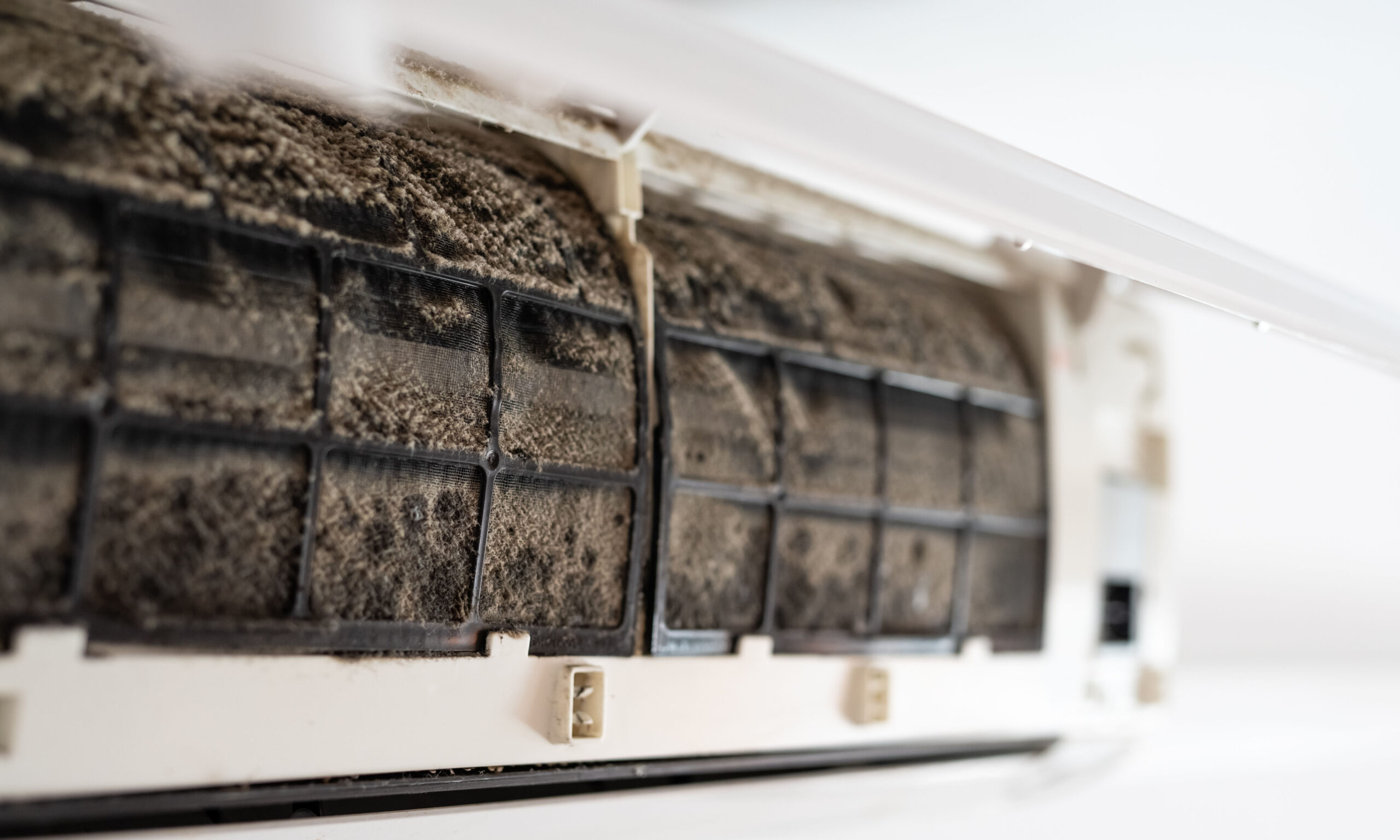
Mold isn’t just that black patch in your bathroom. It releases microscopic spores and mycotoxins—fungal poisons—into every breath you take. Once they’re in your lungs, the damage starts immediately.
Your body sees these invaders and panics. Your immune system releases inflammatory chemicals that irritate your airways, causing chronic coughing, wheezing, and that endless congestion. Studies show people in moldy environments report extreme exhaustion and respiratory issues that doctors can’t explain.
But here’s where it gets sinister: Mold toxinsthey disable your lungs’ self-cleaning system. Those tiny hair-like cilia that normally sweep out debris? Mycotoxins slow them down, trapping spores and mucus in your airways. Some mold toxins even suppress your immune cells, making it harder for your body to fight back.
It’s a vicious cycle. The mold weakens your defenses while your body stays on high alert, releasing stress signals long after exposure. You end up with persistent inflammation, scarred lung tissue, and that haunting feeling that something’s just off with your health.
The medical system offers steroids, inhalers, maybe an antifungal drug with a list of side effects longer than your arm. Meanwhile, nature’s been providing mold-destroying plants for thousands of years—and science is finally catching up.
You just learned how mold disables your lungs. But most people don’t realize hundreds of medicinal plants exist that fight respiratory issues, fungal infections, and lung inflammation—and that knowledge is vanishing as we speak.
Nicole Apelian’s collection documents over 800 medicinal plants across two volumes. The first covers foundational herbs and remedies. The second adds 139 new medicinal herbs Indigenous healers used for generations to keep lungs strong.
Each plant gets a full page: identification guides, extreme close-ups, in-field photos, and step-by-step remedy recipes. If you already have the first book, the second completes your collection. If you’re new to this, you can get both together at a special price.
This is comprehensive plant medicine knowledge in physical form, the kind herbalists guard closely. Click to see your options:
Get the complete plant collection here →
Oregano & Thyme: The Dynamic Duo That Destroys Fungus
These Mediterranean herbs pack phenolic compounds—carvacrol and thymol—that literally punch holes in fungal cell membranes. Studies comparing essential oils found oregano and thyme had the strongest anti-Aspergillus effects among all herbs tested. They outperformed clove, rosemary, everything.
Oregano oil is so potent researchers explored using it as a natural fumigant to protect crops from mold contamination. Think about that—it’s strong enough to sanitize stored grain, and you can use it to sanitize your lungs.
Thyme takes it further. Clinical trials on children with productive coughs showed thyme syrup cleared symptoms faster than doing nothing. Adults with acute bronchitis who took thyme extract had reduced cough severity and frequency. Why? Thyme relaxes bronchial passages, thins mucus, and kills pathogens in your respiratory tract. It’s a herbal clean-up crew for airways under siege.
Your action plan:
- Oregano oil: 2-3 drops diluted in water or juice at the first sign of exposure (food-grade only—this stuff is powerful)
- Thyme tea: Steep 1 teaspoon dried thyme in hot water for 10 minutes. Inhale the steam, then drink. Do this twice daily when your lungs feel compromised
- Steam inhalation: A few drops of either oil in hot water—breathe deep and feel your airways open
You just learned oregano oil is potent enough to kill Aspergillus mold in your lungs. That same antifungal power works on the stubborn nail fungus that refuses to quit—the kind that over-the-counter creams can’t touch.
The problem? Most people use it wrong. Too weak, wrong carrier oil, bad application method. You waste months with zero results.
Nicole Apelian’s Nail-Fungus Herbal Cream recipe combines oregano’s antifungal compounds with skin-nourishing ingredients and other potent antifungal oils like usnea lichen and black walnut hull. The exact measurements. The proper technique. Everything you need to make a cream that actually penetrates and works. 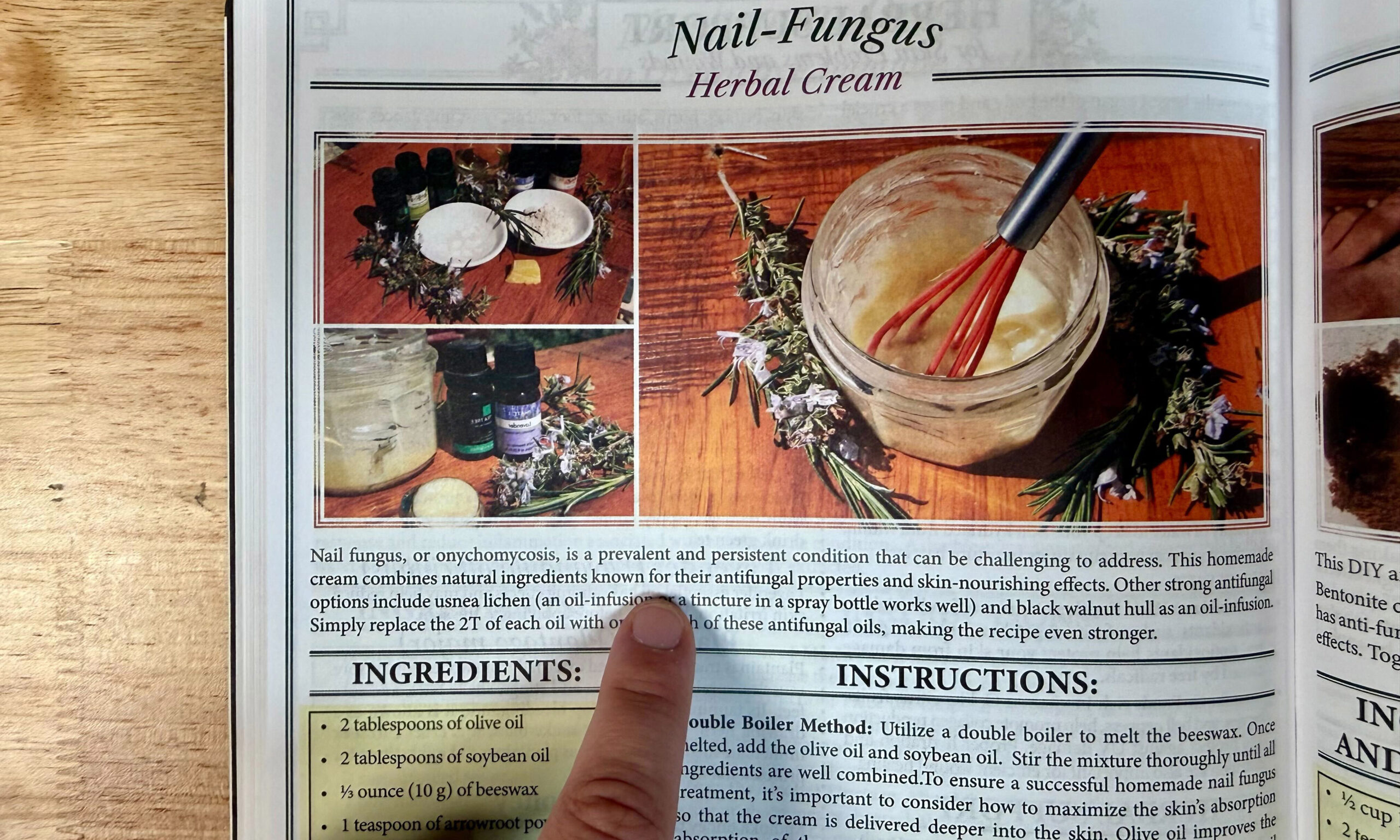
This is in The Forgotten Home Apothecary—250+ remedies with step-by-step instructions and photos. Find what you need, make it right, get results.
Get the nail fungus remedy recipe here →
Licorice Root: The Lung Soother You’re Overlooking
Licorice doesn’t kill mold directly—it does something arguably more important: it stops your lungs from destroying themselves in the inflammatory response to mold.
Animal studies on lung injury showed glycyrrhizin (licorice’s active compound) significantly decreased inflammation, swelling, and tissue damage. It dampens the overactive immune response that mold toxins trigger, protecting your lung structure while you heal.
Plus, licorice coats and soothes irritated airways. That scratchy throat, that constant cough—licorice tea brings immediate relief while supporting your immune system’s ability to fight the infection.
Use it daily: Steep licorice root slices in hot water for a naturally sweet, soothing tea. 1-2 cups daily for a few weeks. (Avoid high doses if you have high blood pressure; stick to tea amounts, not concentrated supplements.)
Mullein: The Lung Sweeper You Need After Mold Exposure
Mullein doesn’t kill mold—it does something more important: helps your lungs clean themselves of the spores, mucus, and debris mold leaves behind.
When you breathe in mold spores, they get trapped in mucus lining your airways, creating irritation, inflammation, and that heavy chest feeling that won’t quit. Mullein acts as both an expectorant (loosening mucus) and demulcent (soothing tissue). The European Medicines Agency officially recognizes mullein for respiratory complaints—that’s regulatory acknowledgment, not herbalist wishful thinking.
Studies show mullein extracts reduce airway irritation, calm coughing, and support healing of inflamed bronchial tissue. By helping your lungs loosen mucus, expel trapped particles, and reduce inflammation, mullein supports your body’s natural detox pathways.
How to use it: Steep 1-2 teaspoons dried mullein leaf in hot water for 10-15 minutes. Critical: Always strain through fine mesh or coffee filter—the tiny leaf hairs can irritate your throat. Drink 2-3 cups daily when congested or after mold exposure.
Mullein won’t make headlines, but it’s been quietly clearing congested lungs for generations. When your chest feels heavy after mold exposure, this herb helps you actually clear what’s stuck instead of just suppressing symptoms.
After mold exposure, your body makes thick mucus to trap invaders. But mold toxins slow down the cilia that sweep it out. Now you’ve got stagnant mucus sitting there—warm, moist, perfect for bacteria to multiply. That’s why “mold exposure” becomes “chest infection that won’t quit.”
Mullein breaks this cycle by thinning mucus and helping your lungs actually expel it before bacteria move in. Tea works, but a tincture absorbs faster. Take it internally or add drops to hot water for steam inhalation.
Nicole Apelian’s Mullein Tincture is wild-harvested and extracted properly—the way it needs to be done to actually work. When your chest feels heavy and your cough won’t stop, this is what clears it.
Get this Mullein Tincture for lung support →
Eucalyptus: Nature’s Lung Vacuum
That refreshing scent in chest rubs? That’s eucalyptol (1,8-cineole), and it’s a respiratory game-changer. Eucalyptus doesn’t just smell clean—it makes your lungs clean.
Studies on patients with chronic bronchitis and COPD showed eucalyptol improved lung function and reduced flare-ups. People with acute bronchitis who took cineole had their cough frequency drop within four days. Eucalyptus breaks up mucus, expands airways, and calms inflammation—all while increasing your cilia’s beating speed so they can sweep out mold and debris faster.
Plus, eucalyptus oil shows antifungal activity against Aspergillus molds in lab studies. Diffusing it reduces airborne fungal load while opening your congested sinuses.
Try this immediately:
- Steam inhalation: Few drops in a bowl of hot water. Drape a towel over your head and breathe deeply for 5-10 minutes
- Shower trick: Sprinkle drops on your shower floor before hot water runs—instant eucalyptus steam room
- Nighttime relief: Natural chest rubs with eucalyptus before bed to clear congestion while you sleep
This is the closest you’ll get to a houseplant that actually reduces mold spores, except eucalyptus does it both in your air and in your lungs at the same time. Diffuse eucalyptus oil in moldy-prone rooms daily, and you’re clearing airborne fungal spores while protecting your respiratory system every time you breathe.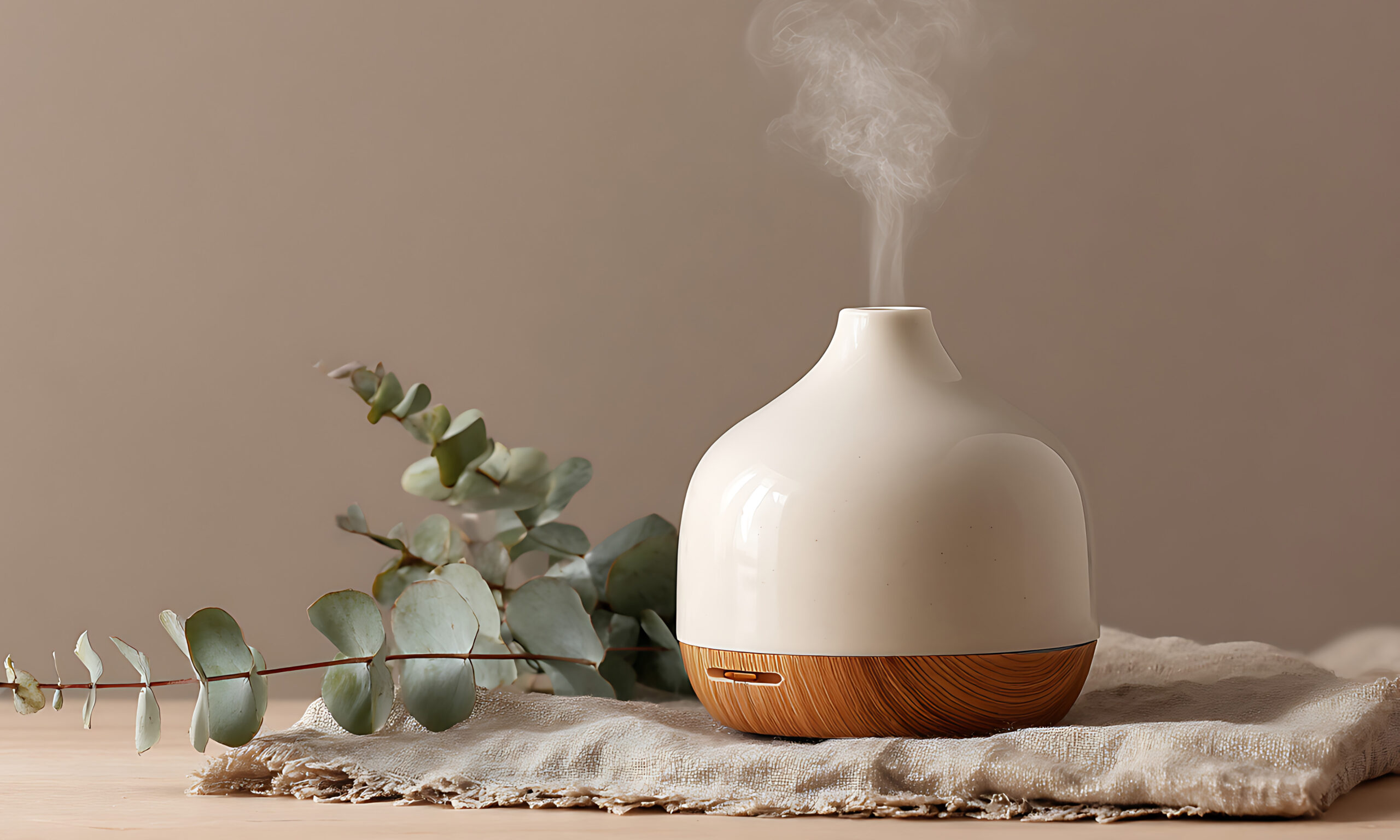
Usnea: The Lichen That Stops Mold Before It Takes Root
You’ve probably walked past it a hundred times—pale green strands hanging from tree branches like nature’s hair. Herbalists call it “old man’s beard,” and they’ve relied on it for centuries when lung infections refused to clear.
Here’s why it matters: Usnea produces usnic acid, a compound proven to inhibit mold growth—specifically Aspergillus species that colonize lungs. NIH-published laboratory studies show usnic acid interferes with fungal energy production and damages fungal cell walls, making it nearly impossible for mold to survive in your airways.
A review in the Journal of Ethnopharmacology confirms what herbalists always knew: usnic acid has antifungal, antibacterial, and anti-inflammatory properties. This isn’t folk medicine—it’s documented science.
What makes usnea different: It doesn’t act like a harsh pharmaceutical. It makes your respiratory environment hostile to fungal overgrowth while supporting your immune response. Traditional herbalists used it for lingering chest infections, chronic coughs after mold exposure, and respiratory issues that kept returning.
How to use it: Usnea tincture—2-3 dropperfuls in water, 2-3 times daily for 1-2 weeks during active issues. Short-term support when you need it. Don’t exceed recommended doses, and consult someone knowledgeable if you have liver concerns.
The One Remedy That Covers Everything
Think about what you’d normally buy separately: throat spray for sore throats, antifungal cream for nail issues, immune support for cold season, something for respiratory infections. That’s four different products, four different price tags.
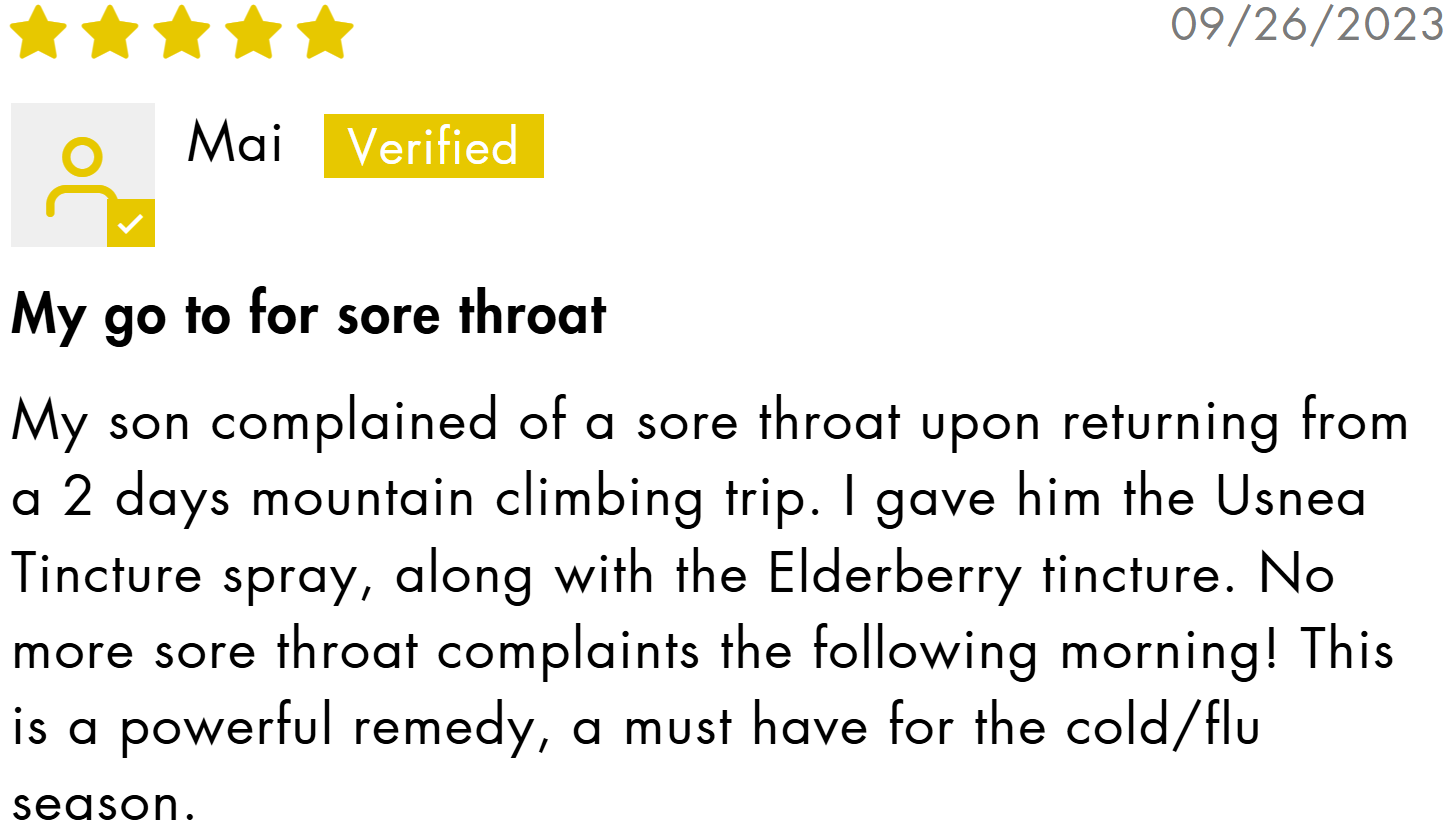
Usnea does all of it. Spray it in your throat at the first scratch. Use it on stubborn toenail fungus. Take it internally after mold exposure or when you feel a lung infection coming. Keep it with you during flu season. One remedy, countless applications.
If you don’t have time to harvest this lichen from trees or know where clean-air sources are, Nicole Apelian’s wild-harvested Usnea Tincture Spray is ready to use. Dual-extracted properly to preserve the usnic acid that makes it work for fungal, bacterial, and respiratory issues.
Stop buying five different products when one plant does it all.
Get Nicole’s Usnea Tincture Spray here →
Your Mold-Fighting Protocol Starting Tonight
You can’t avoid mold completely in 2025—it’s in the air, in buildings, in the environment. But you can arm your lungs with plants that fight back.
Tonight’s routine:
- Crush raw garlic and take with honey
- Brew thyme or licorice tea and inhale the steam deeply
- Do a eucalyptus steam inhalation before bed
This week:
- Add oregano oil if symptoms worsen (2-3 drops diluted, once daily)
- Cook with garlic, thyme, and oregano generously
- Diffuse eucalyptus oil in moldy-prone rooms
The Better Alternative
If you don’t have time to harvest usnea from trees, extract it properly for weeks, or even know where to find clean-air environments where it grows, you can get the same dual-extracted tincture ready to use.
Nicole Apelian makes this with wild-harvested usnea from pristine locations—not lab-grown, not commercially farmed. It’s dual-extracted to preserve the usnic acid that gives it antifungal and antibacterial power. Spray format means you use it the second you need it: sore throat, mold exposure, fungal issues, immune support.
Usnea might just become one of the most sought-after remedies once respiratory infections spread, pharmacies run dry, and hospitals overflow. The people who already have it won’t be scrambling.
Get Nicole’s Usnea Tincture Spray here →
These aren’t just “nice natural remedies”—they’re backed by clinical studies showing real effects on fungal infections, lung inflammation, and respiratory function. Your body knows how to heal. These plants just give it the weapons it needs to win.
Stop accepting fatigue, brain fog, and mysterious respiratory issues as “normal.” Start fighting back with plants that actually work.
Your lungs will thank you.
Anyone can join.
Anyone can contribute.
Anyone can become informed about their world.
"United We Stand" Click Here To Create Your Personal Citizen Journalist Account Today, Be Sure To Invite Your Friends.
Before It’s News® is a community of individuals who report on what’s going on around them, from all around the world. Anyone can join. Anyone can contribute. Anyone can become informed about their world. "United We Stand" Click Here To Create Your Personal Citizen Journalist Account Today, Be Sure To Invite Your Friends.
LION'S MANE PRODUCT
Try Our Lion’s Mane WHOLE MIND Nootropic Blend 60 Capsules
Mushrooms are having a moment. One fabulous fungus in particular, lion’s mane, may help improve memory, depression and anxiety symptoms. They are also an excellent source of nutrients that show promise as a therapy for dementia, and other neurodegenerative diseases. If you’re living with anxiety or depression, you may be curious about all the therapy options out there — including the natural ones.Our Lion’s Mane WHOLE MIND Nootropic Blend has been formulated to utilize the potency of Lion’s mane but also include the benefits of four other Highly Beneficial Mushrooms. Synergistically, they work together to Build your health through improving cognitive function and immunity regardless of your age. Our Nootropic not only improves your Cognitive Function and Activates your Immune System, but it benefits growth of Essential Gut Flora, further enhancing your Vitality.

Our Formula includes: Lion’s Mane Mushrooms which Increase Brain Power through nerve growth, lessen anxiety, reduce depression, and improve concentration. Its an excellent adaptogen, promotes sleep and improves immunity. Shiitake Mushrooms which Fight cancer cells and infectious disease, boost the immune system, promotes brain function, and serves as a source of B vitamins. Maitake Mushrooms which regulate blood sugar levels of diabetics, reduce hypertension and boosts the immune system. Reishi Mushrooms which Fight inflammation, liver disease, fatigue, tumor growth and cancer. They Improve skin disorders and soothes digestive problems, stomach ulcers and leaky gut syndrome. Chaga Mushrooms which have anti-aging effects, boost immune function, improve stamina and athletic performance, even act as a natural aphrodisiac, fighting diabetes and improving liver function. Try Our Lion’s Mane WHOLE MIND Nootropic Blend 60 Capsules Today. Be 100% Satisfied or Receive a Full Money Back Guarantee. Order Yours Today by Following This Link.


| Visits: | 1,770,588,101 |
| Stories: | 8,571,219 |
Whistler Blowers, Insiders

